
Beautiful Plants For Your Interior
Beautiful Plants For Your Interior
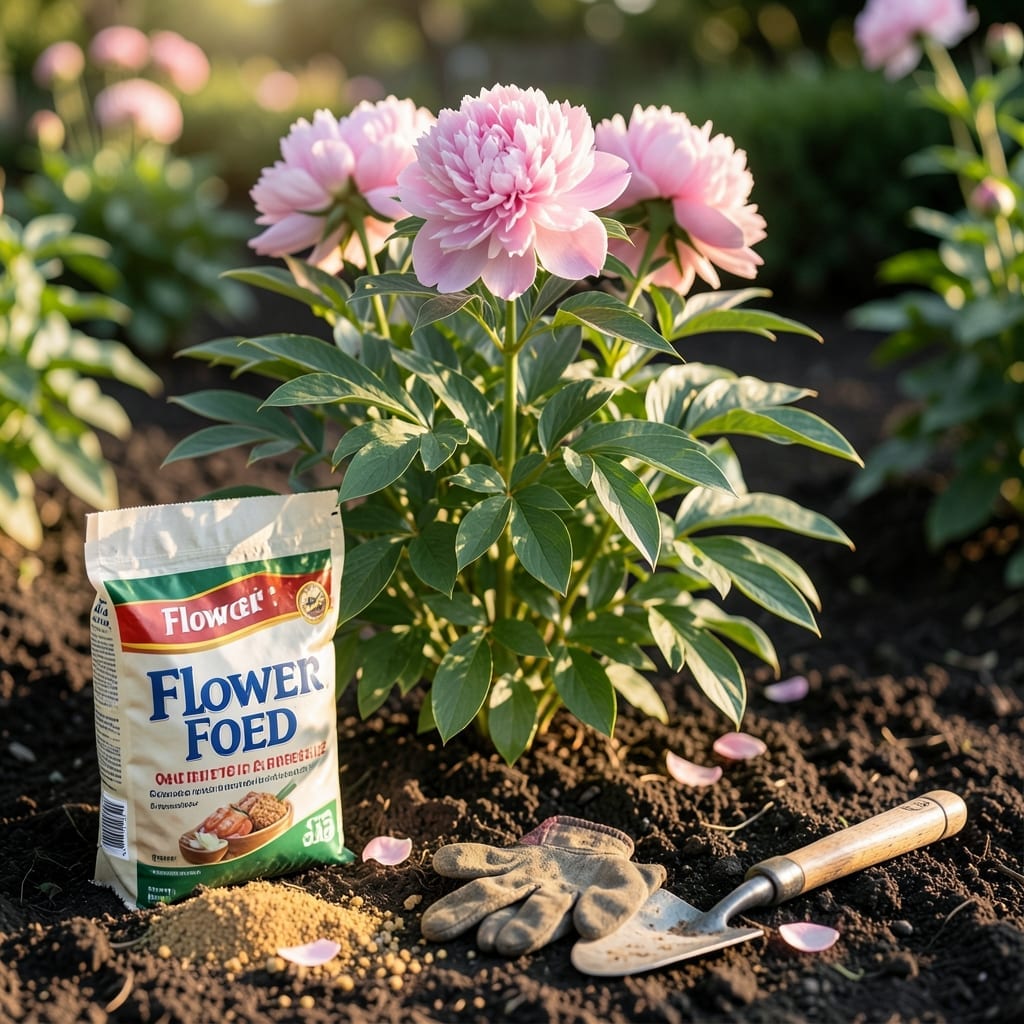
Want your 🌸 peonies to burst with larger, more vibrant blooms this season? The right flower food can make all the difference.
I’ve seen firsthand how proper nutrition transforms lackluster plants into showstopping centerpieces. The key lies in understanding what these gorgeous flowers actually need to thrive.
Discover how to choose and apply the perfect nutrient mix for your peonies, and watch them reward you with their most spectacular display yet.
I’ve found that peonies thrive when they get the right balance of nutrients. The secret lies in understanding what these gorgeous bloomers truly need to produce those lush, vibrant flowers we all love.
For bigger blooms and healthier plants, focus on a mix rich in phosphorus and potassium, with a touch of micronutrients to support overall growth. 🌸
| Nutrient | Purpose | Ideal Amount |
|---|---|---|
| Phosphorus | Boosts bloom size | High (10-15%) |
| Potassium | Strengthens plant immunity | Medium (5-10%) |
| Nitrogen | Promotes leaf growth | Low (5%) |
| Calcium | Prevents bud rot | Trace amounts |
In my experience, soil pH plays a huge role too. Peonies prefer a slightly acidic to neutral pH (around 6.5 to 7.0). Test your soil first—it’s a game-changer!
I always recommend organic options like bone meal or compost for a slow-release nutrient boost. These feed the soil and your peonies over time, unlike synthetic fertilizers that can shock the system.
If you’re using synthetic fertilizers, opt for a balanced 5-10-10 mix. Apply it in early spring and again after blooming to set the stage for next year’s flowers.
Micronutrients like iron and magnesium shouldn’t be overlooked. A soil test can reveal deficiencies, and a simple foliar spray can often fix the issue quickly.
Remember, over-fertilizing can do more harm than good. Stick to the recommended dosage and always water deeply after applying to avoid burning the roots.
For established peonies, I’ve seen amazing results with a light feeding in early spring and a phosphorus-rich boost in fall to encourage root growth.
Finally, don’t forget that healthy soil is the foundation. Adding organic matter like compost or well-rotted manure every year keeps your peonies happy and thriving. 🌿
I’ve tested both homemade mixes and store-bought fertilizers for my peonies, and each has its pros. The best choice often depends on your gardening style and budget constraints.
For quick results, commercial fertilizers with a 5-10-10 NPK ratio work wonders. They’re precisely formulated and easy to apply, but can be pricier.
| Option | Cost | Effectiveness | Ease of Use |
|---|---|---|---|
| DIY Mixes | Low | Slow-release | Moderate |
| Commercial | High | Fast-acting | Easy |
| Banana Peels | Free | Potassium boost | Simple |
| Bone Meal | Moderate | Phosphorus-rich | Easy |
If you prefer natural solutions, try banana peels for potassium or eggshells for calcium. These are budget-friendly and reduce waste too.
I’ve had great success with compost tea as a gentle, nutrient-rich foliar spray. It’s perfect for organic gardeners who want to avoid chemicals.
For beginner gardeners, commercial options are foolproof. Look for slow-release granules to avoid over-fertilizing and ensure steady nutrient supply.
Advanced gardeners might enjoy experimenting with custom DIY blends. Combining kelp meal and fish emulsion can create a powerhouse mix for peonies.
Regardless of your choice, consistency is key. Stick to a feeding schedule and monitor your peonies’ response to adjust as needed. 🌿