
Beautiful Plants For Your Interior
Beautiful Plants For Your Interior
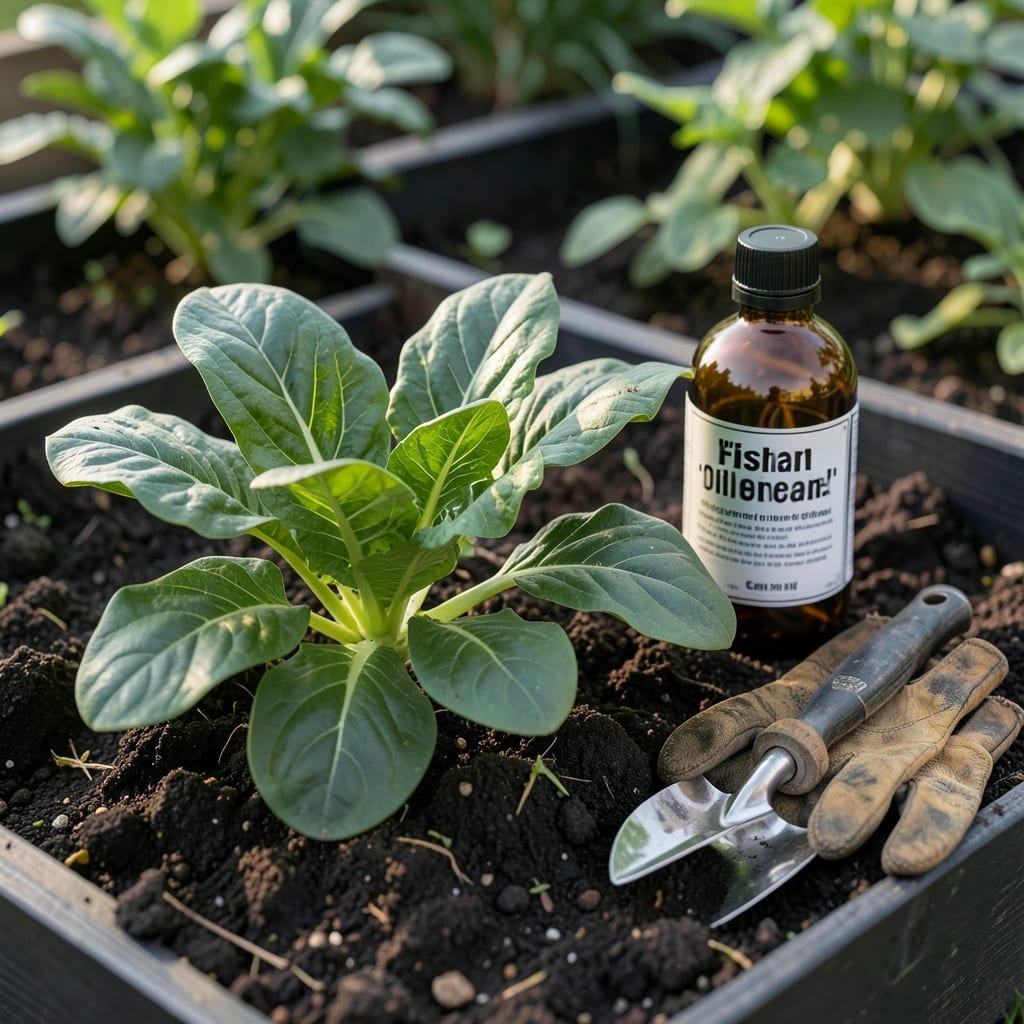
What if I told you there’s a natural way to give your 🌱 General Plants a major growth boost? Fish oil fertilizer might be the game-changer your garden needs.
This organic powerhouse delivers essential nutrients like nitrogen and phosphorus directly to your soil. It’s easier than you think to use and far gentler than synthetic options.
I’ve seen firsthand how it transforms lackluster plants into thriving, vibrant ones. The best part? You can make it at home with simple ingredients.
Discover how to harness this natural solution to improve plant health and productivity this season. Let’s get started.
If you’re looking for a natural way to supercharge your garden, fish oil fertilizer is a game-changer. Packed with omega-3 fatty acids, nitrogen, and phosphorus, it fuels root development and vibrant foliage. 🌱
This organic fertilizer also delivers micronutrients like calcium and magnesium, which strengthen plant immunity against pests and diseases. It’s a soil conditioner too, improving microbial activity for long-term health. 🌿
| Nutrient | Primary Benefit | Plant Impact |
| Omega-3s | Cell growth | Stronger stems |
| Nitrogen | Leaf development | Lush foliage |
| Phosphorus | Root growth | Deep anchoring |
| Micronutrients | Disease resistance | Healthier plants |
I’ve seen fish oil fertilizer work wonders on tomatoes and leafy greens. The nitrogen boost promotes rapid vegetative growth, while phosphorus supports flowering and fruiting. It’s ideal for organic gardens. ✂️
Unlike synthetic options, this fertilizer won’t burn plants if used correctly. Its slow-release nutrients feed plants gradually, reducing the risk of over-fertilization. Plus, it’s eco-friendly and sustainable. 🌻
For soil health, fish oil improves water retention and aeration. It encourages beneficial microbes, which break down organic matter into plant-available nutrients. Your soil stays fertile season after season. 🌷
I recommend applying it early in the growing season to establish strong roots. A foliar spray can also provide a quick nutrient boost during stress periods, like heatwaves or pest attacks. 💧
Another benefit? Fish oil fertilizer is cost-effective. A little goes a long way, and you can even make it at home with scraps from sustainable fishing. It’s a budget-friendly way to nourish your garden. 🌳
Remember, balance is key. Pair fish oil with compost or worm castings for a well-rounded nutrient profile. Your plants will thank you with bigger yields and brighter blooms. 🪴
Creating your own fish oil fertilizer is simpler than you think. I start by blending 1 part fish oil with 3 parts water for a gentle, nutrient-rich solution that won’t burn plants. This DIY approach gives me control over the nutrient concentration and avoids harsh chemicals. 🌱
For best results, I always use fresh, high-quality fish oil to prevent rancidity. A fine mesh strainer helps remove any solids, ensuring a smooth mixture. This base can be adjusted for specific plant needs like leafy greens or flowering species. 🌿
I’ve found that foliar spraying works wonders for fast absorption, especially for plants showing nutrient deficiencies. A fine mist on the leaves allows the omega-3 fatty acids and micronutrients to be quickly utilized. Always test on a small area first. 🌻
For vegetable gardens, I apply the fertilizer as a soil drench at the base of plants. This method ensures the root zone gets direct access to nitrogen and phosphorus, promoting strong, healthy growth. Tomatoes and peppers respond especially well. 🪴
If you’re growing container plants, reduce the concentration slightly. Potted plants are more sensitive to nutrient overload. I also recommend flushing the soil with plain water every few weeks to prevent salt buildup.
Finally, store any leftover fertilizer in a cool, dark place and use within a week for maximum potency. Consistency is key—I’ve seen 30% faster growth in my garden by sticking to a regular schedule. ✂️