
Beautiful Plants For Your Interior
Beautiful Plants For Your Interior
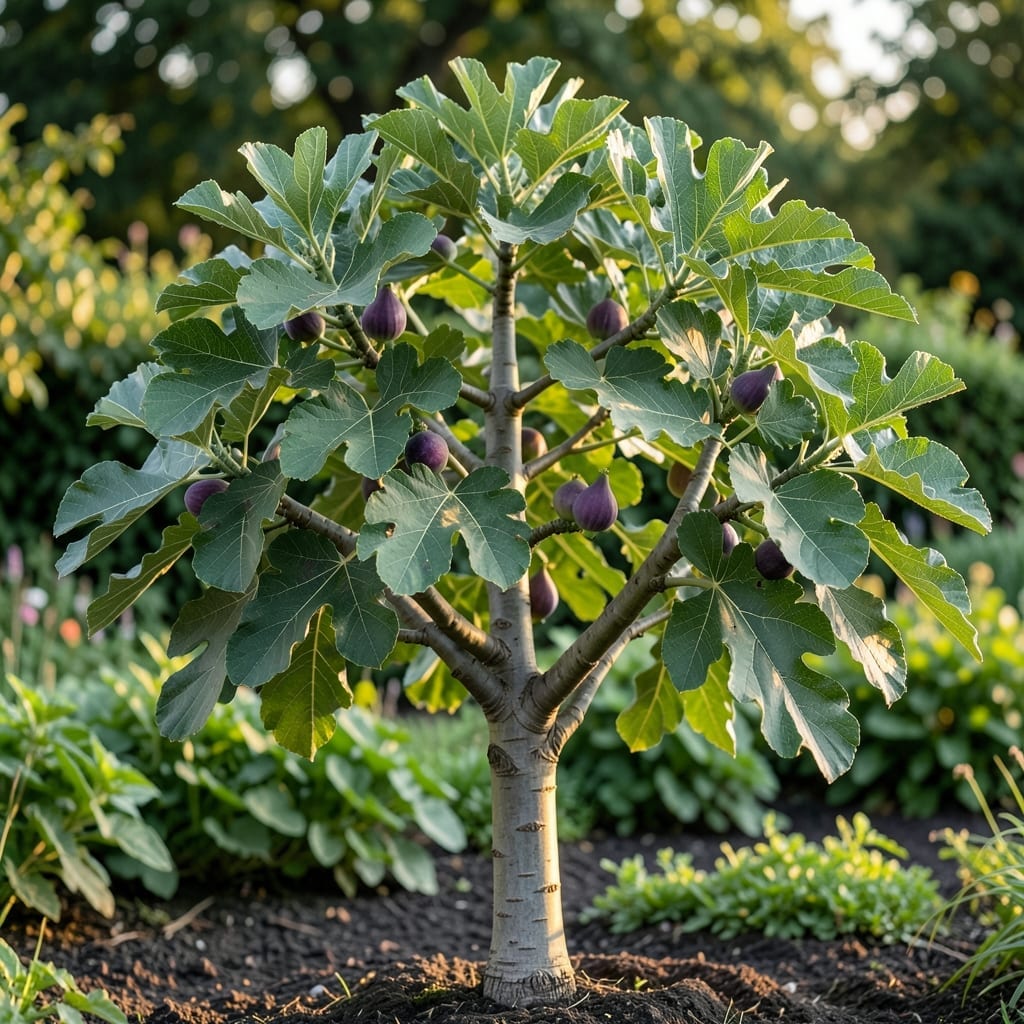
Ever stood in your garden, staring at a young 🌳 Fig Tree and wondered just how big it’ll get? That curiosity is the key to smart planting.
Knowing the mature height and width of your Fig Tree helps you plan spacing, pruning, and even landscape design. Without this, you might end up with an overcrowded yard or stunted growth.
Whether you’re planting one tree or dreaming of an orchard, these dimensions ensure healthy development. And trust me, a well-placed Fig Tree can transform your space.
Discover how variety, climate, and care shape its size—and how to manage it for the best results.

When planning your garden, knowing the mature size of fig trees helps avoid overcrowding. Most standard fig trees reach 15-30 feet tall with a 10-20 foot spread, but this varies by variety and growing conditions.
Dwarf varieties like Little Miss Figgy stay compact at 4-6 feet tall and 3-5 feet wide, perfect for containers or small spaces. Semi-dwarf types, such as Chicago Hardy, typically grow 10-15 feet tall and wide.
| Variety | Mature Height | Mature Width |
|---|---|---|
| 15-25 ft | 10-15 ft | |
| Celeste | 10-20 ft | 8-12 ft |
| Black Mission | 15-30 ft | 12-20 ft |
| Chicago Hardy | 10-15 ft | 8-12 ft |
Climate plays a big role in fig tree size. In warmer zones like USDA 7-10, trees grow larger, while cooler climates may limit height. Container-grown figs often stay smaller due to root restriction.
For example, a Black Mission fig in California might reach 30 feet tall, but the same variety in Pennsylvania may only grow to 15 feet without winter protection.
Soil quality also impacts growth. Well-draining, fertile soil encourages vigorous growth, while poor soil can stunt development. I always recommend amending planting sites with compost for best results.
Pruning practices significantly affect dimensions. Regular winter pruning keeps trees at desired heights. I maintain my Brown Turkey fig at 12 feet tall through annual pruning, which also increases fruit production.
For small spaces, consider dwarf varieties or use espalier training against a wall. This method saves space while still allowing for full fruit production. My espaliered Celeste fig takes up just 2 feet of depth.
Remember that mature size is typically reached after 5-7 years. Young trees grow rapidly, adding 3-5 feet per year under ideal conditions. Patience is key with fig trees!
🌳
If you’ve ever wondered why your neighbor’s fig tree towers over yours, several key factors are at play. From pruning habits to soil conditions, these variables can dramatically alter your tree’s height and width. I’ll break down what really makes a difference in your garden.
First, genetics set the baseline—some varieties like Celeste naturally stay smaller, while Brown Turkey can reach 30 feet if left unchecked. But even within a variety, your care practices shape the final size.
I’ve found that container-grown figs stay remarkably manageable. A 15-gallon pot typically limits height to 6-8 feet, perfect for patios. Just ensure drainage holes prevent root rot in these confined spaces.
For in-ground trees, your pruning strategy is everything. I remove about 20-30% of growth each winter to maintain a 12-foot height. This keeps fruit production high while preventing an unruly canopy.
Don’t overlook soil quality—rich, well-draining soil encourages vigorous growth. I amend my planting sites with compost annually, which has noticeably increased my trees’ width and density.
Finally, local climate plays a role. In my Zone 7 garden, figs grow larger than in cooler zones. If you’re in Zone 5, expect slower growth and potentially smaller mature sizes without winter protection. ✂️