
Beautiful Plants For Your Interior
Beautiful Plants For Your Interior
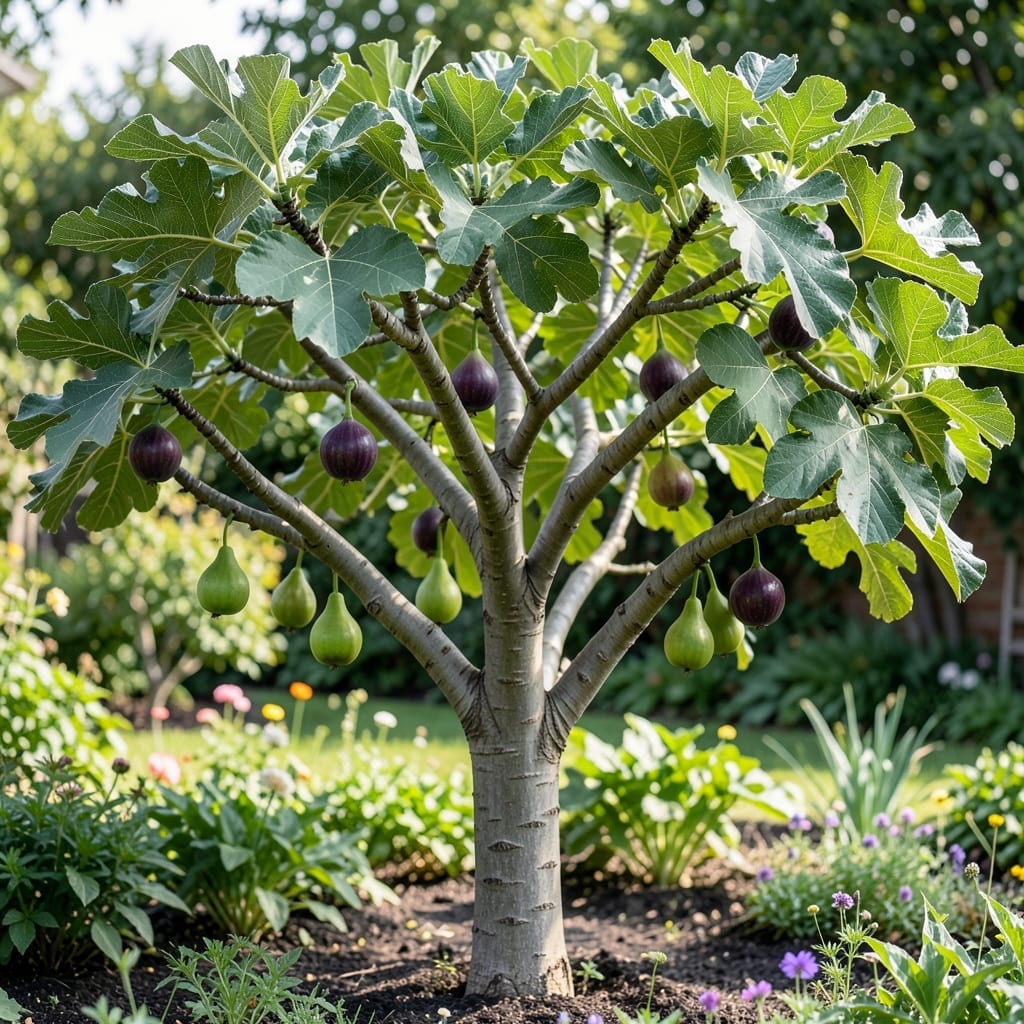
Knowing the exact fig ripening stages can mean the difference between picking underripe, bland fruit or enjoying sweet, perfectly mature 🍇 straight from your tree.
I’ve seen too many gardeners miss that perfect harvest window simply because they didn’t recognize the subtle changes happening right before their eyes.
From the first pebble-like formation to the final color transformation, each phase tells a story about your fig’s journey to ripeness.
Let me walk you through what to look for at every stage so you’ll never question whether your figs are ready to pick again.
I’ve found that recognizing the fig ripening stages is the secret to a perfect harvest. Each phase offers distinct visual cues that signal progress toward maturity.
From the pebble stage to full ripeness, the changes in size, color, and texture are unmistakable once you know what to look for.
| Stage | Visual Cues | Duration |
|---|---|---|
| Pebble Stage | Tiny, hard, green bumps on branches | 2-4 weeks |
| Green Stage | Grows to full size, remains firm and green | 4-6 weeks |
| Color Break | Skin begins to change color, softens slightly | 1-2 weeks |
| Full Ripeness | Deep color, soft texture, neck bends | Ready to harvest |
The pebble stage is the earliest sign your fig tree is producing. These tiny green nubs are hard and barely noticeable at first.
As they enter the green stage, they’ll grow to full size but remain firm and unripe. This is when patience is key.
The color break is my favorite phase to watch. The skin starts transitioning from green to its mature hue, whether that’s purple, brown, or black.
You’ll also notice the fruit softens slightly and may develop a sweet aroma near the stem.
Finally, at full ripeness, the fig’s neck bends downward, and the fruit becomes soft to touch. The color deepens, and it may even wrinkle slightly.
I always check for these visual cues before harvesting. A gentle squeeze should yield slightly, and the stem end often weeps a bit of sweet nectar.
Remember, fig varieties differ in color at maturity. Brown Turkey turns purplish-brown, while Black Mission goes nearly black. Know your tree’s specific traits.
With practice, you’ll spot these ripening stages like a pro, ensuring every fig you pick is at peak sweetness 🌳
I always check my figs for ripeness using simple, reliable methods. The gentle squeeze test is my go-to—ripe figs yield slightly under pressure. If it feels rock hard, it’s not ready yet. This test works best on fully colored figs first thing in the morning.
Another foolproof sign is the neck bend check. When figs are ripe, they droop downward at the stem. I also look for slight wrinkling near the stem, which indicates peak sweetness. These visual cues save me from picking underripe fruit every time.
I never skip the taste test when I’m unsure. I pick one fig from different parts of the tree and sample it. If it’s sweet and juicy, the rest are likely ready. This method is especially useful for first-time growers learning their tree’s signals.
The natural drop sign is nature’s way of telling you it’s time. When figs start falling from the tree, they’re at peak ripeness. I place a clean tarp under my tree to catch these perfect fruits before they hit the ground and bruise.
Remember that color changes vary by variety. My Brown Turkey figs turn deep brown when ripe, while Black Mission figs develop a purplish-black hue. I always research my specific variety’s ripening characteristics for the most accurate harvest timing.
Finally, I check for a sweet aroma near the stem. Ripe figs have a distinct fruity fragrance that’s absent in unripe fruit. This sensory check, combined with the others, ensures I never miss the perfect harvest window.
🌿