
Beautiful Plants For Your Interior
Beautiful Plants For Your Interior
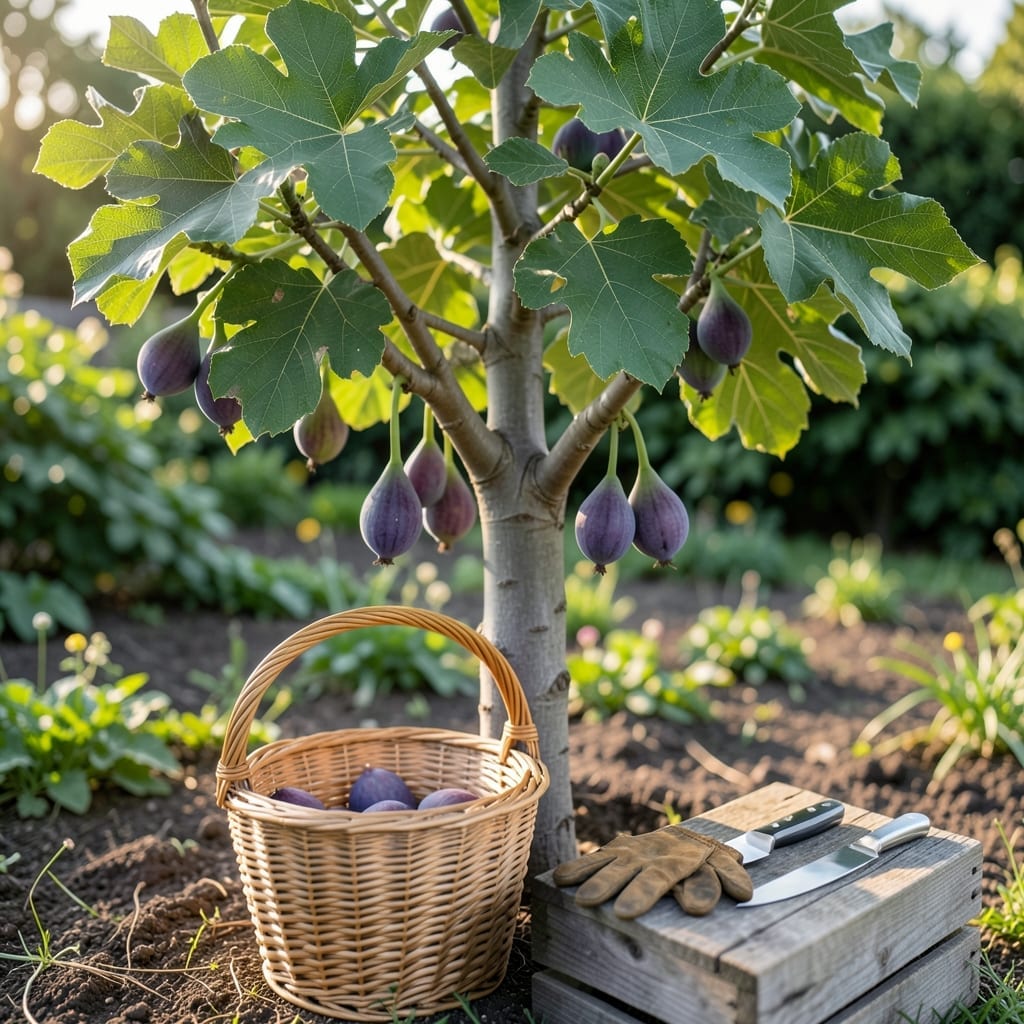
There’s nothing quite like biting into a perfectly ripe fig straight from your tree. Knowing the right moment to harvest can make all the difference between a lackluster bite and a burst of sweetness.
The 🍇 Fig thrives in USDA Zone 6, and its harvest window typically falls between July and August. But timing isn’t just about the calendar—it’s about the fruit itself.
Look for subtle signs like a deep color change, slight softness, or small cracks near the stem. These clues tell you your figs are ready to pick.
I’ll walk you through the key indicators so you never miss that ideal harvest moment again. Let’s make this your most delicious season yet.

I know that timing your fig harvest can feel tricky, but visual cues make it much easier. Each fig variety has unique signs that tell you it’s ready to pick. Let me walk you through the most common types.
For Brown Turkey figs, look for a purple-brown color and slight softness. Black Mission figs turn nearly black when ripe, while Celeste figs develop a light purple hue. The key is watching for these color changes and other telltale signs.
| Variety | Ripe Color | Ripeness Sign | Days to Maturity |
|---|---|---|---|
| Brown Turkey | Purple-brown | Neck softens, cracks appear | 120-150 |
| Black Mission | Near black | Fruit hangs down | 140-160 |
| Celeste | Light purple | Slightly soft, sweet smell | 130-150 |
The neck of the fig is another great indicator. When it bends slightly and develops small cracks near the stem, your fig is likely ready. This applies to most varieties, including Adriatic figs which are light green when ripe.
I always check for easy detachment too. A ripe fig should come off the tree with just a gentle pull. If you have to tug hard, it’s not ready yet. This is especially true for Kadota figs, which are yellow-green when ripe.
Timing also depends on your climate zone. In warmer areas like Zone 9, you might harvest earlier than in Zone 6. I’ve found that morning harvesting works best, as the fruit is cooler and less likely to bruise.
For second crops (breba), the timing can be different. These early figs often ripen in late spring and may have slightly different color cues. I watch my Chicago Hardy figs closely for these early treats.
Remember that figs don’t ripen well off the tree. Unlike some fruits, they need to fully ripen while attached. That’s why checking these visual and textual cues is so important for the sweetest harvest.
I’ve learned that patience pays off with figs. Rushing the harvest can leave you with underripe fruit, while waiting too long might mean the birds get them first! 🌳
I always tell gardeners that early morning is the best time to pick figs. The fruit is firmest and freshest after the cool night air, making it easier to handle without bruising.
Another trick I swear by is the gentle squeeze test. A ripe fig will give slightly under light pressure, but it shouldn’t feel mushy. If it’s rock hard, leave it for another day.
I’ve found that daily checks are key during the harvest window. Figs can go from perfectly ripe to overripe in just 24 hours, especially in hot weather.
If you see small cracks near the stem or the neck bends downward, that’s your fig’s way of saying, “Pick me now!” These are classic ripeness signs for most varieties.
Never yank figs from the tree. A ripe fig will come off easily with a gentle twist. If it resists, it’s not ready, and forcing it can damage the plant.
Finally, I recommend harvesting in stages. Not all figs ripen at once, so check your tree every 2-3 days during peak season to catch each fruit at its best. ☀️