
Beautiful Plants For Your Interior
Beautiful Plants For Your Interior
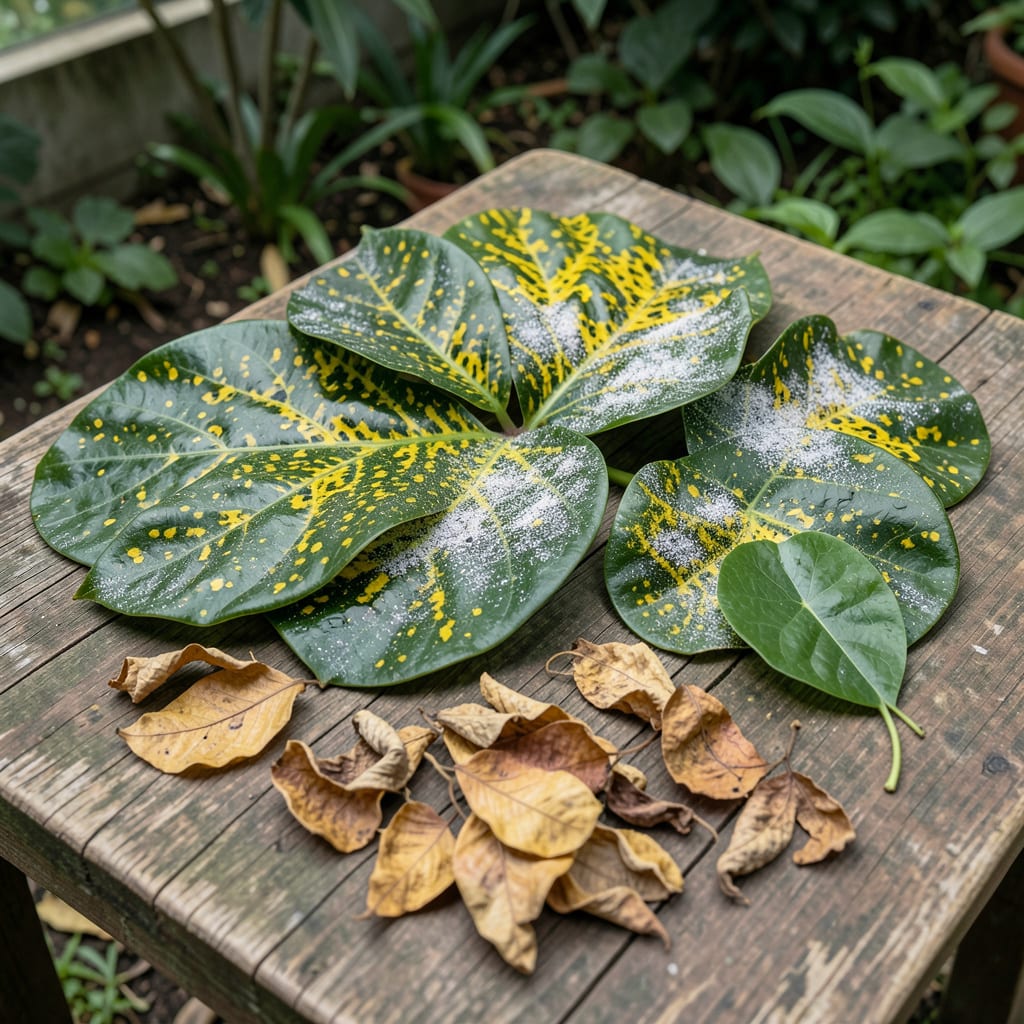
Your ficus tree’s leaves are talking, and I’ve learned to listen. 🌿 Dark spots, yellow edges, or sudden leaf drop aren’t random—they’re symptoms with specific causes and fixes.
I’ve seen healthy ficus plants turn into sad sticks overnight from overwatering, pests, or fungal issues. The good news? Most problems are reversible if you catch them early and act fast.
This visual guide helps you match what you’re seeing to the right solution. You’ll spot the difference between bacterial leaf spot and root rot before it spreads.
Prevention starts with simple habits: right light, proper drainage, and regular checkups. Your ficus can bounce back stronger than ever.
Ficus trees are hardy, but they can fall victim to diseases when environmental or biological stressors weaken their defenses. Below are the primary causes of common ficus tree diseases, each with actionable insights to help you address them.
Extreme temperatures, overwatering, or poor drainage create ideal conditions for fungal and bacterial infections. Ficus trees thrive in consistent moisture but detest soggy roots. When soil remains waterlogged, Phytophthora or Rhizoctonia fungi attack the roots, leading to root rot. Similarly, drought stress weakens the tree, making it susceptible to pests and secondary infections.
Fungi like Botrytis (gray mold) and Anthracnose (Colletotrichum spp.) thrive in humid, poorly ventilated environments. These pathogens spread via spores, infecting leaves and causing brown or black spots, leaf drop, or cankers. Overhead watering or crowded foliage accelerates their spread.
Bacteria such as Pseudomonas or Xanthomonas enter through wounds or stomata (leaf pores), often introduced by contaminated pruning tools or insect damage. These infections manifest as water-soaked lesions, leaf blight, or oozing cankers. High humidity and warm temperatures (75–85°F) expedite bacterial growth.
Sap-sucking pests like scale insects, mealybugs, and spider mites weaken ficus trees by draining nutrients and creating entry points for pathogens. Their honeydew secretions also promote sooty mold, a secondary fungal issue that blocks sunlight and reduces photosynthesis.
Lack of nitrogen (yellowing leaves), magnesium (interveinal chlorosis), or iron (pale young leaves) compromises the tree’s immunity. Weak trees are more prone to opportunistic diseases. Regular soil testing and balanced fertilization can prevent these deficiencies.
Spotting trouble early is half the battle. Here’s how to tackle common ficus tree diseases with straightforward fixes and prevention tips to keep your plant thriving.
💡 Pro Tip: Regularly clean fallen leaves and debris around your ficus to reduce disease and pest risks. A little maintenance goes a long way!
Look for wilting leaves, black or mushy roots, and soil that smells sour. Early signs include yellowing leaves and stunted growth. If caught early, you can save it by repotting in fresh soil.
Brown spots often signal fungal infections like anthracnose or bacterial leaf spot. Improve air circulation and avoid wetting leaves when watering. Remove affected leaves to prevent spreading.
Yes! A mild soap solution or neem oil spray works well for spider mites or scale. Apply every 5-7 days until pests are gone. Always test on a small area first.
Yellow leaves usually mean overwatering or nutrient deficiency. Let soil dry between waterings and use a balanced fertilizer every 4-6 weeks during growing season.
