
Beautiful Plants For Your Interior
Beautiful Plants For Your Interior
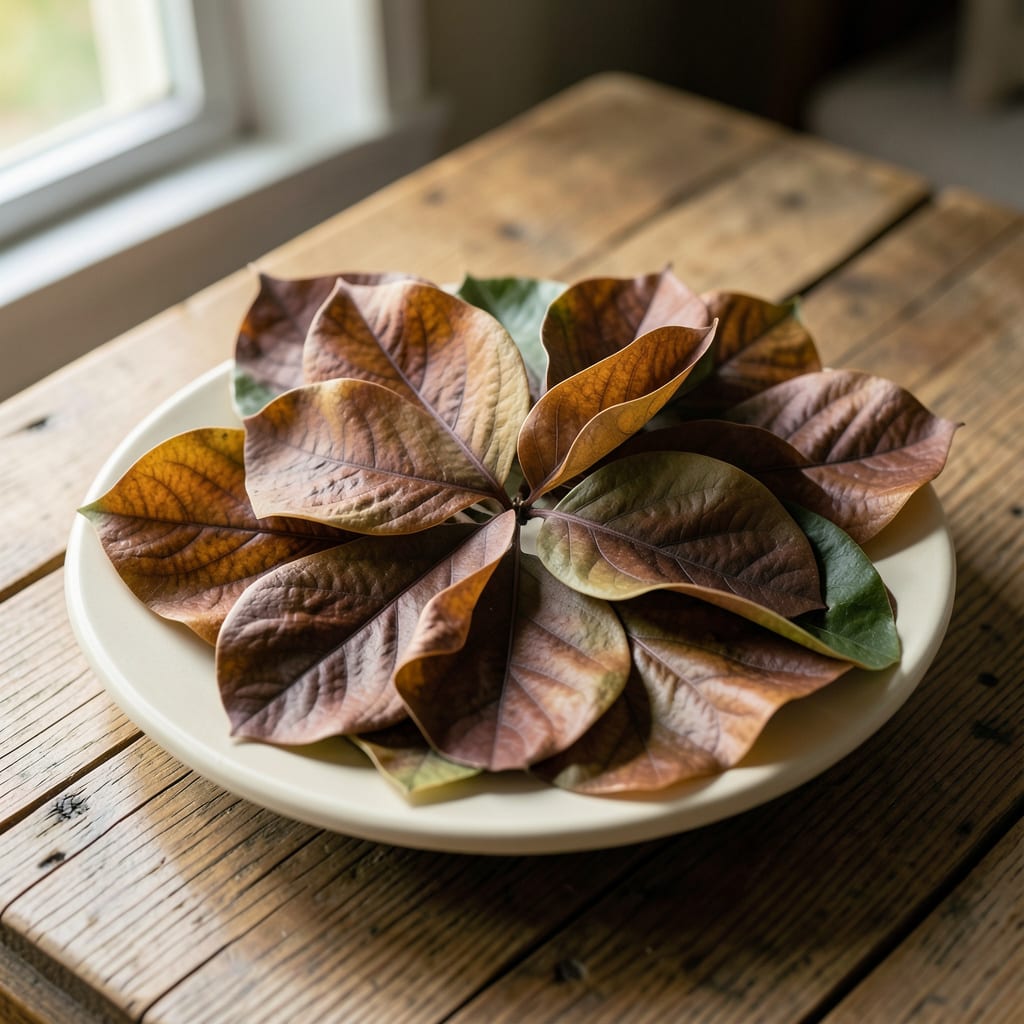
Brown leaves on your ficus aren’t a death sentence. I’ve nursed dozens back from the brink by fixing just two things: light and humidity. Most people overcomplicate the solution.
These plants are tougher than they look. The crispy edges and yellow halos are usually crying for consistent moisture or begging to escape a drafty spot. I’ve seen them bounce back in 2-3 weeks with simple adjustments.
You’ll know it’s working when new growth stays vibrant green. The key is catching it early—once leaves turn fully brown, they won’t recover, but the rest of the plant can.
Works for all ficus varieties, from weeping figs to rubber plants. Let’s diagnose the real issue.
Several environmental and care-related factors can trigger brown leaves on your ficus. Understanding the root cause helps you fix it fast. Here are the most common culprits:
Ficus plants thrive in 40–60% humidity. Dry indoor air (common in winter) causes leaf edges to crisp and brown as moisture evaporates faster than the plant can absorb. Fix: Use a humidifier, pebble tray, or group plants together to raise ambient moisture.
Too much direct sun scalds leaves, turning them brown with dry, papery patches. Conversely, low light weakens the plant, leading to yellowing that progresses to brown. Fix: Place ficus in bright, indirect light (east or north-facing windows) and rotate weekly for even exposure.
Overwatering suffocates roots, preventing nutrient uptake and causing brown, mushy leaves. Underwatering leads to crispy, curling brown edges. Check: Stick your finger 2 inches into the soil—water only if dry. Ensure pots have drainage holes.
Ficus hate drafts! Sudden temperature drops (below 60°F) or hot blasts from vents stress the plant, resulting in brown leaf tips or margins. Fix: Keep away from AC units, heaters, or drafty windows.
Tap water minerals (fluoride, chlorine) or fertilizer salts accumulate in soil, burning roots and causing brown, necrotic leaf tips. Fix: Flush soil with distilled water monthly and use balanced, diluted fertilizer every 4–6 weeks.
Addressing brown leaves on your ficus starts with identifying the root cause and applying the right fix. Here’s a practical, cause-to-solution guide to revive your plant.
Move your ficus to a brighter spot with indirect sunlight. South- or west-facing windows are ideal. Rotate the pot weekly to ensure even light distribution. Prevention tip: 💡 Avoid sudden light changes—acclimate the plant gradually over 1-2 weeks to prevent shock.
Let the top 1-2 inches of soil dry out before watering again. Ensure the pot has drainage holes, and use a well-draining potting mix. If root rot is suspected, trim affected roots and repot in fresh soil. Prevention tip: 🌡️ Use a moisture meter to avoid guesswork—water only when readings show dryness.
Increase humidity by misting the leaves daily or placing a humidifier nearby. Grouping plants together or using a pebble tray with water also helps. Prevention tip: ✨ Aim for 40-60% humidity—avoid placing ficus near drafts, heaters, or AC vents.
Flush the soil with distilled water to remove excess salts or chemicals from tap water. Repeat every 2-3 months if using hard water. Prevention tip: 🎯 Use filtered or rainwater for watering to minimize mineral buildup.
Wipe leaves with a damp cloth to remove pests like spider mites or scale. Apply neem oil or insecticidal soap weekly until the infestation clears. Prevention tip: 🔍 Inspect leaves regularly—early detection makes treatment easier.
Consistency is key! Adjust one variable at a time (e.g., light or water) to monitor your ficus’s response. With patience, those brown leaves will be a thing of the past.
Water when the top 2 inches of soil feel dry. Overwatering can worsen browning, so check soil moisture first. Use a moisture meter for accuracy.
No, once leaves turn fully brown, they won’t recover. Focus on improving care so new growth stays vibrant green. Remove dead leaves to redirect energy.
Aim for 40–60% humidity. Use a humidifier or pebble tray if your home is dry. Avoid placing near vents or drafts.
Misting helps, but it’s temporary. Pair it with other humidity-boosting methods for best results. Avoid soaking leaves to prevent fungal issues.
