
Beautiful Plants For Your Interior
Beautiful Plants For Your Interior
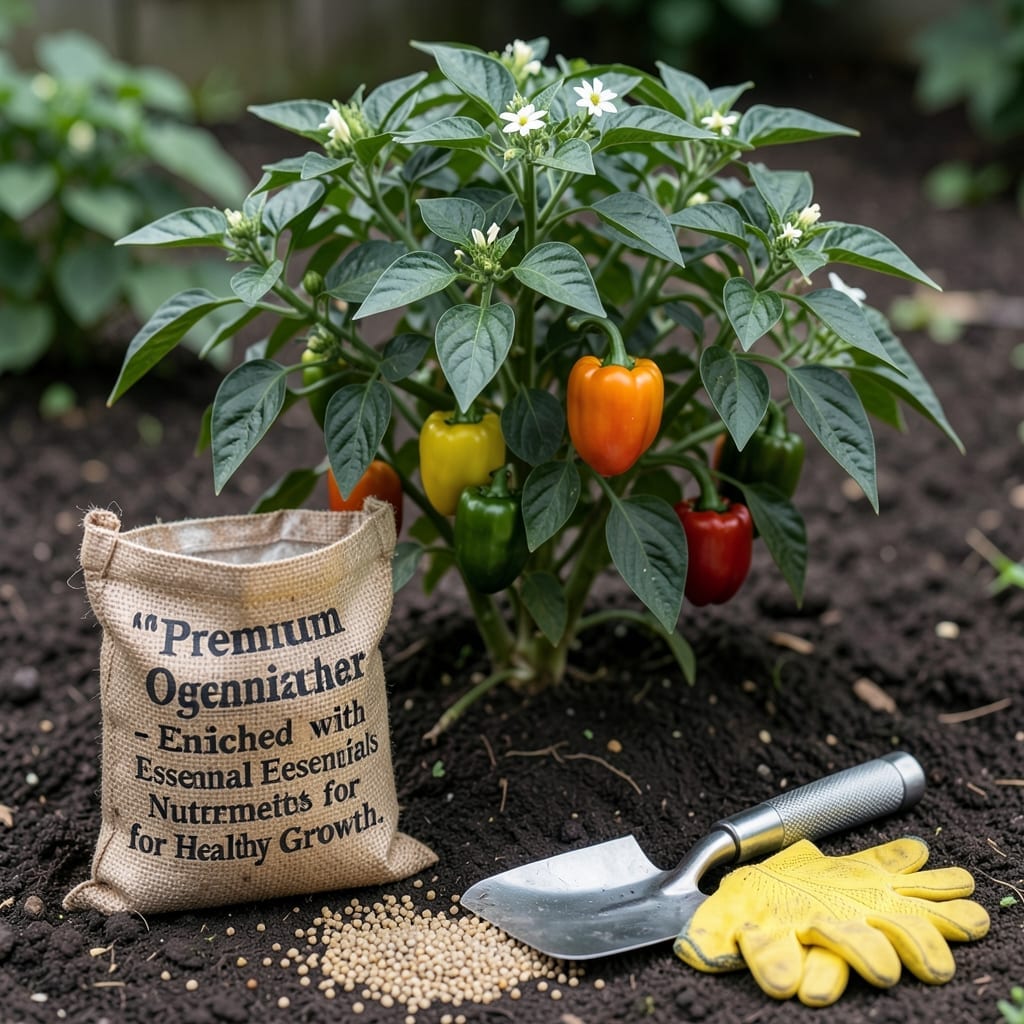
Growing vibrant, productive pepper plants starts with the right fertilizer. Whether you’re cultivating sweet bell peppers or fiery habaneros, choosing the best nutrients can transform your harvest.
I’ve seen firsthand how the right approach to feeding 🌶️ Pepper plants leads to bigger, more flavorful yields. The difference between lackluster and spectacular results often comes down to what you feed your soil.
In this guide, we’ll explore organic options that give your plants the boost they need. From seedling to fruiting stage, every phase requires specific attention to nutrients.
Discover how to avoid common mistakes that could be limiting your pepper plants’ potential. Let’s dig into the secrets of successful fertilization.
I’ve found that pepper plants thrive when given the right organic fertilizers at each growth stage. Early on, seedlings need gentle nutrition to establish strong roots. As they mature, the focus shifts to flowering and fruiting support.
Choosing the best organic fertilizer means matching the NPK ratio to the plant’s current needs. For example, a high-nitrogen blend works wonders during vegetative growth but can harm fruiting later on.
During the seedling stage, I recommend compost tea for its mild yet effective nutrients. It provides a balanced 2-1-1 NPK ratio that encourages root development without overwhelming delicate plants.
A fish emulsion with a 5-1-1 ratio is my go-to for the vegetative stage. It delivers a nitrogen boost to promote lush foliage, which is critical for supporting future fruit production.
When flowering begins, I switch to bone meal for its high phosphorus content. The 3-15-0 ratio ensures strong bloom formation, which directly impacts your pepper yield later in the season.
For the fruiting stage, kelp meal with a 1-2-3 ratio works beautifully. It provides potassium and micronutrients that enhance fruit size and flavor. I apply it as a side dressing every month.
I always remind gardeners to avoid over-fertilizing, especially with nitrogen. Too much can lead to excessive leafy growth at the expense of peppers. Stick to the recommended application rates for best results.
Another tip: early morning is the best time to fertilize. This allows the plants to absorb nutrients before the heat of the day. Plus, it reduces the risk of fertilizer burn on leaves.
If you notice yellowing leaves or stunted growth, it might be a sign of nutrient deficiency. Adjust your fertilizer choice based on the stage and symptoms. For instance, purple stems often indicate a phosphorus shortage.
Consistency is key with organic fertilizers. Unlike synthetic options, they release nutrients slowly, so regular applications are necessary. I’ve seen the best results with a steady feeding schedule every 3-4 weeks. ☀️
When it comes to feeding pepper plants, I always weigh the benefits of homemade fertilizers versus commercial options. Each has its place in my garden toolkit.
Homemade solutions like compost tea or fish emulsion offer natural, cost-effective nutrients. They’re great for sustainable gardening but may lack consistency in nutrient ratios.
| Type | Cost | Nutrient Control | Ease of Use |
|---|---|---|---|
| Homemade | Low | Variable | Moderate |
| Commercial | Moderate | Precise | High |
I love using DIY fertilizers because they’re eco-friendly and reduce waste. My compost tea recipe includes worm castings and seaweed for a nutrient boost.
Commercial organic fertilizers like Dr. Earth or Espoma provide balanced NPK ratios tailored for peppers. They’re convenient but can be pricier.
For best results, I combine both approaches. I start with homemade compost at planting, then switch to commercial organic during flowering for consistent fruiting.
Remember, over-fertilizing can harm your plants. Always follow package instructions or test soil before applying homemade mixes.
Whether you choose DIY or store-bought, the key is regular feeding every 3-4 weeks during the growing season. 🌱