
Beautiful Plants For Your Interior
Beautiful Plants For Your Interior
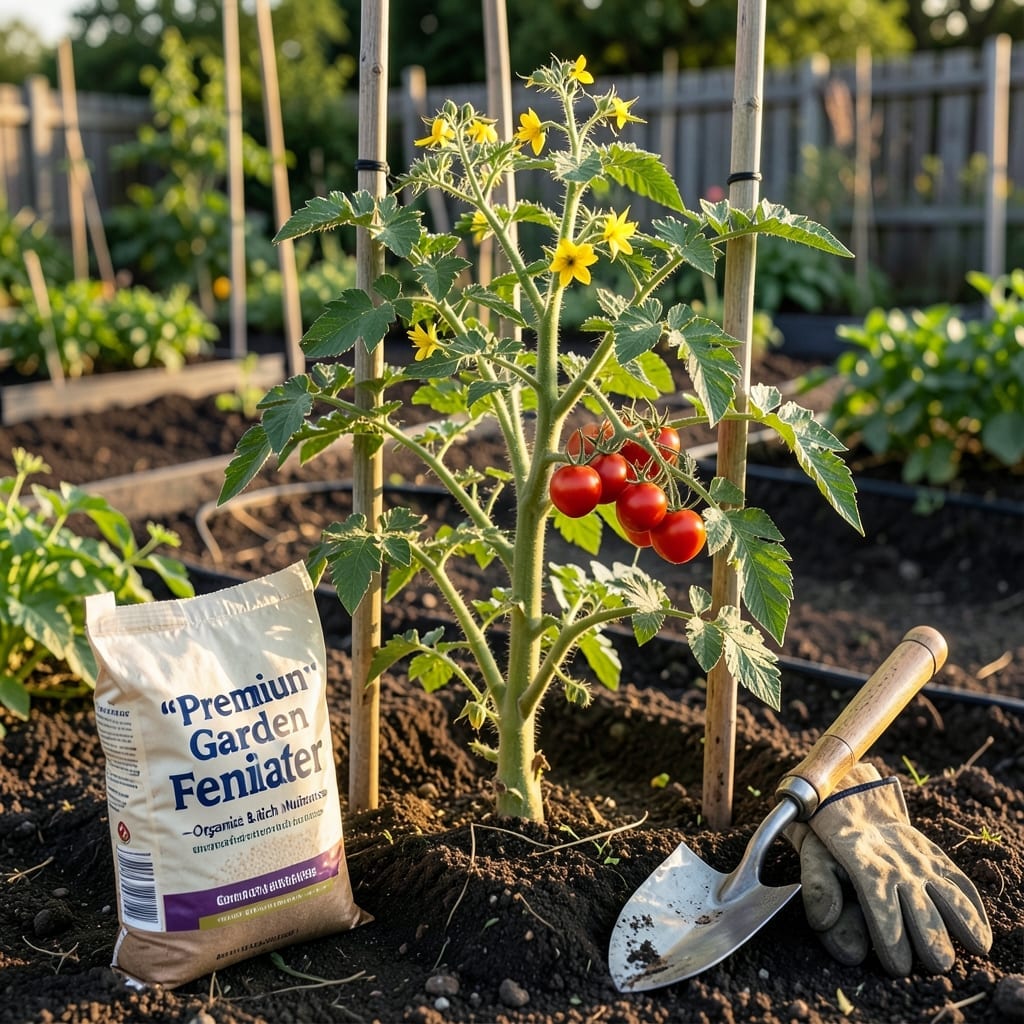
Growing plump, flavorful 🍅 Tomatoes starts with one critical factor: proper fertilization. Without the right nutrients, even the healthiest plants will struggle to produce bountiful harvests.
I’ve seen too many gardeners pour effort into their Tomato plants only to end up with lackluster results. The difference between mediocre and amazing often comes down to what you feed your plants and when.
Whether you’re new to gardening or looking to improve your yield, understanding fertilizer basics is a game-changer. It’s simpler than you might think to give your Tomatoes exactly what they need.
Let me walk you through the essentials of nourishing your plants for the biggest, most delicious harvests of the season. You’ll be surprised how much of a difference the right approach makes.
I’ve found that tomatoes are heavy feeders, meaning they need a steady supply of nutrients to grow strong and produce abundant fruit. The three primary macronutrients—nitrogen (N), phosphorus (P), and potassium (K)—play distinct roles in their development. 🌱
Without the right balance, you might see stunted growth, yellowing leaves, or poor fruit set. That’s why understanding each nutrient’s purpose is key to a thriving tomato garden. 🌿
| Nutrient | Role | Deficiency Signs |
|---|---|---|
| Nitrogen (N) | Promotes leafy growth | Yellow lower leaves |
| Phosphorus (P) | Boosts root development and flowering | Purple stems, weak roots |
| Potassium (K) | Enhances fruit quality and disease resistance | Yellow leaf edges |
| Calcium | Prevents blossom end rot | Black spots on fruit |
| Magnesium | Supports chlorophyll production | Yellow between veins |
I always recommend starting with a soil test to check existing nutrient levels. This helps you tailor your fertilizer instead of guessing. Many gardeners overlook micronutrients like calcium and magnesium, which are just as vital for healthy plants. ☀️
Nitrogen is crucial early on for vegetative growth, but too much can lead to excessive foliage and fewer tomatoes. That’s why I switch to a low-nitrogen, high-phosphorus fertilizer once the plants start flowering. 🌻
For phosphorus, I’ve seen amazing results with bone meal or rock phosphate, especially when planting. These organic options release slowly, giving roots a steady supply. Just remember, over-fertilizing can burn roots, so always follow the recommended rates. 🌱
Potassium is the secret to sweet, flavorful tomatoes. I use wood ash or greensand to boost potassium levels naturally. If your soil is deficient, you might notice weak stems or poor fruit development. 🌿
Calcium is non-negotiable for preventing blossom end rot, a common issue in tomatoes. I add crushed eggshells or gypsum to the soil at planting time. Consistency is key—regular watering helps calcium uptake. 💧
Finally, magnesium keeps leaves green and productive. Epsom salt is a quick fix if you spot interveinal chlorosis (yellowing between leaf veins). I mix 1 tablespoon of Epsom salt in a gallon of water and spray it on the leaves. ✂️
Remember, balance is everything. Too much of one nutrient can lock out others, so I stick to a 5-10-10 or 10-10-10 fertilizer for general use. For organic gardeners, compost and worm castings are excellent all-purpose amendments. 🌷
Tomatoes have unique fertilizer needs at each growth stage. I’ve found that seedlings thrive on a balanced 10-10-10 fertilizer to establish strong roots. Once they enter vegetative growth, a higher nitrogen blend promotes lush foliage.
As flowering begins, switch to a low-nitrogen option like 5-10-10 to encourage blooms. During fruiting, phosphorus-heavy fertilizers boost production. Organic options like compost tea or fish emulsion work well too.
| Growth Stage | Recommended Fertilizer | Application Rate |
|---|---|---|
| Seedling | 10-10-10 balanced | 1/2 strength weekly |
| Vegetative | 12-4-8 high nitrogen | 1 tbsp/plant biweekly |
| Flowering | 5-10-10 low nitrogen | 1 tbsp/plant weekly |
| Fruiting | 3-4-6 high phosphorus | 2 tbsp/plant every 10 days |
I always water plants before fertilizing to prevent root burn. This helps the nutrients absorb evenly. For organic gardeners, worm castings or bone meal are excellent natural alternatives.
Synthetic fertilizers offer quick results but can leach nutrients if overused. I prefer slow-release granules for steady feeding. Remember, less is more—over-fertilizing leads to leafy growth with fewer fruits.
For container tomatoes, use liquid fertilizers every 7-10 days since nutrients deplete faster. In raised beds, a monthly top-dressing of compost keeps soil fertile.
Timing matters too. I apply fertilizer in early morning to avoid heat stress. Always follow package instructions and adjust based on plant response and soil tests 🌱