
Beautiful Plants For Your Interior
Beautiful Plants For Your Interior
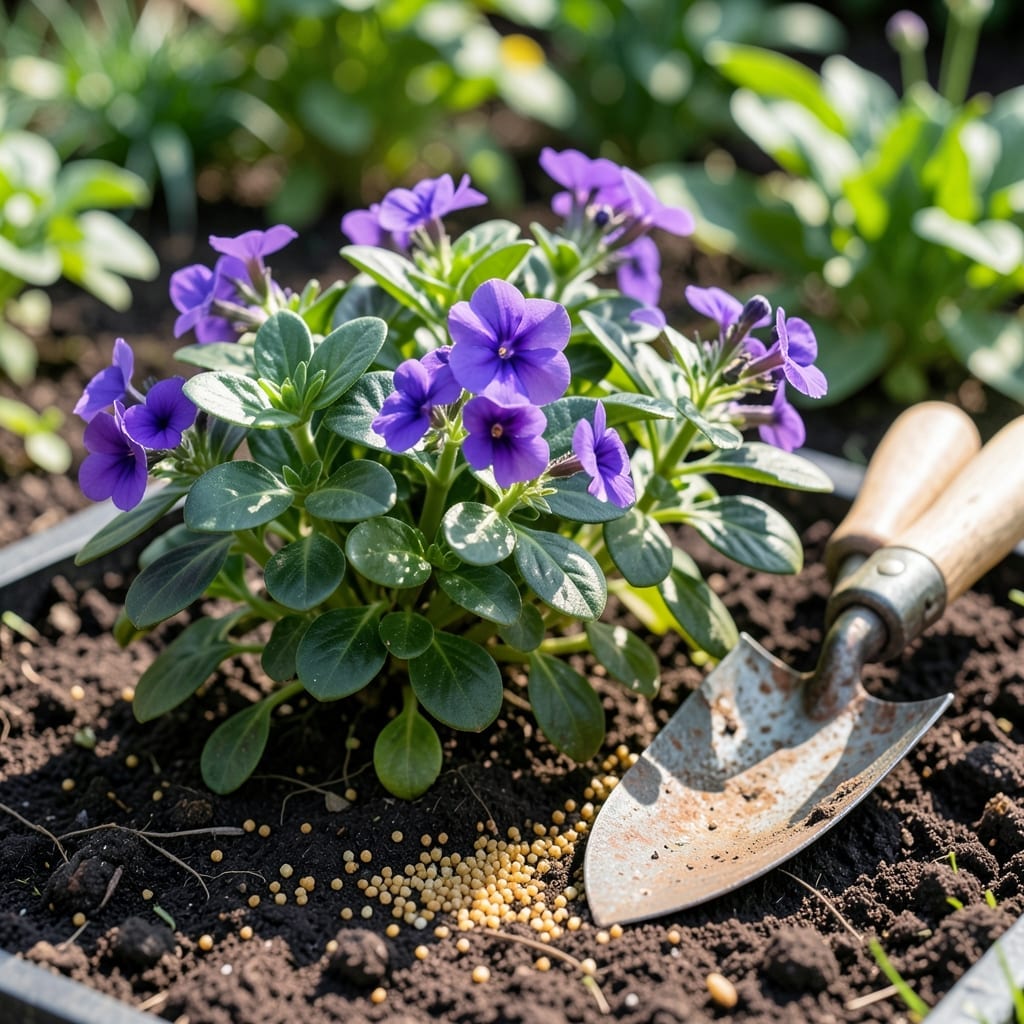
Want your 🌸 Vinca to burst with color and thrive all season? The right nutrition makes all the difference, but too many gardeners get this wrong.
I’ve seen firsthand how the proper approach transforms these hardy plants. With the right care, your Vinca can become the star of your garden.
Let me show you exactly how to feed your plants for maximum blooms. No guesswork, just proven methods that work.
From timing to techniques, you’ll learn how to avoid the most common mistakes and keep your Vinca flourishing in zones 4-11.
Choosing the right fertilizer for vinca can make all the difference in achieving vibrant blooms and healthy growth. Vinca, also known as periwinkle, thrives with a balanced nutrient approach that supports its flowering habit.
I’ve found that balanced NPK fertilizers like 10-10-10 work wonders for vinca, providing equal parts nitrogen, phosphorus, and potassium to promote foliage growth and flower production. 🌸
Slow-release granular fertilizers are another excellent choice, especially for busy gardeners. These feed your vinca gradually over 2-3 months, reducing the need for frequent applications. I prefer using them at the start of spring for season-long nutrition.
For those who prefer organic options, compost or worm castings can provide a gentle, natural boost. These improve soil structure while delivering essential nutrients. Just remember, organic fertilizers may take longer to show results but are great for sustainable gardening.
If you want to maximize blooms, consider a phosphorus-rich fertilizer with a ratio like 5-10-10. The extra phosphorus encourages flower production, which is perfect for vinca’s prolific blooming nature. I’ve seen amazing results with this approach during the growing season.
It’s also important to consider your soil pH. Vinca prefers slightly acidic to neutral soil (pH 6.0-7.0). If your soil is too alkaline, you might need to amend it with sulfur or peat moss before fertilizing for the best absorption of nutrients.
Always water your vinca thoroughly after applying fertilizer. This helps distribute the nutrients evenly and prevents root burn. I recommend watering before and after fertilizing for optimal results. 💧
For container-grown vinca, liquid fertilizers are often the most practical. They’re easy to apply and allow for precise control over nutrient delivery. I use a half-strength solution every 2-3 weeks during the growing season to keep my potted vinca thriving.
Remember, more isn’t always better when it comes to fertilizing. Over-fertilizing can lead to excessive foliage at the expense of flowers, or even damage your plants. Stick to the recommended rates and monitor your vinca’s response to adjust as needed. 🌿
Timing is everything for vinca fertilization. I start feeding in early spring when new growth appears, using a balanced 10-10-10 formula to kickstart the season with robust blooms and healthy foliage.
A light application every 4-6 weeks keeps my vinca thriving. In summer heat, I switch to a liquid fertilizer for quick absorption, ensuring my plants stay vibrant during their peak flowering period.
I always apply fertilizer in the early morning when the soil is moist. This helps prevent root burn and ensures nutrients are absorbed efficiently by my vinca plants.
For best results, I water my vinca deeply before and after fertilizing. This helps distribute the nutrients evenly through the soil and reduces the risk of fertilizer burn on the roots.
If I notice yellowing leaves or stunted growth, I check for over-fertilization. Flushing the soil with water can help remove excess nutrients and restore my vinca’s health.
Finally, I avoid fertilizing during drought conditions or extreme heat. Stressing the plants with fertilizer when they’re already struggling can do more harm than good to my vinca’s blooms. 🌸