
Beautiful Plants For Your Interior
Beautiful Plants For Your Interior
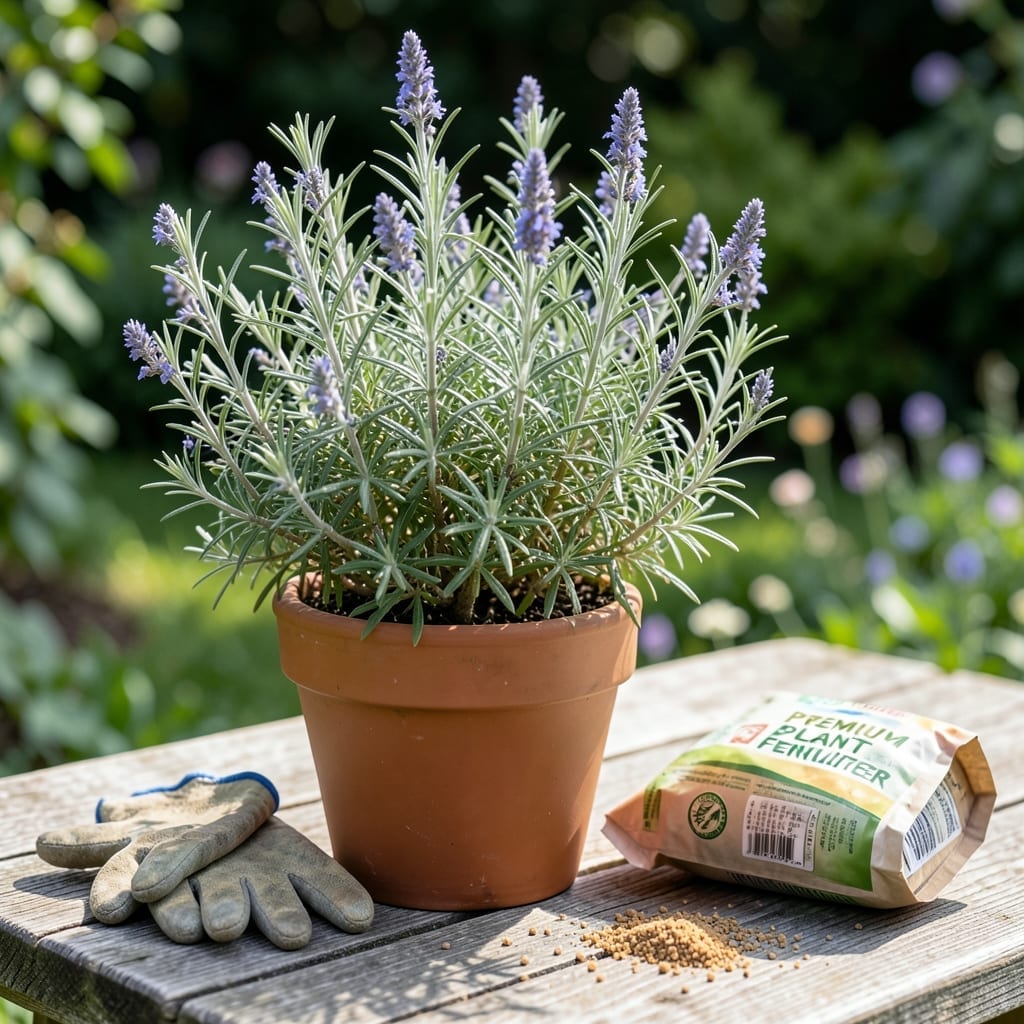
If your 🌸 Salvia plants look lackluster despite your best efforts, the problem might be in your feeding approach. These vibrant perennials have specific nutritional needs that generic fertilizers often miss.
I’ve seen too many gardeners waste time and money on products that don’t deliver. The right feeding strategy can transform your Salvias from struggling to spectacular in just one season.
What if you could unlock longer bloom times and richer colors with just a few simple adjustments? It’s absolutely possible when you understand Salvia’s unique requirements.
Discover the feeding methods that will make your 🌸 Salvias the envy of the neighborhood. Let’s get started.
I’ve found that salvias respond best to gentle, organic feeding that matches their natural growing conditions. These drought-tolerant perennials thrive with low-phosphorus fertilizers that encourage blooms without forcing excessive foliage growth.
In my garden, I focus on slow-release organic options that nourish the soil while feeding the plants. This approach supports long-term health and vibrant flowering without the risk of chemical burn or nutrient imbalance.
| Fertilizer Type | N-P-K Ratio | Best For | Application Method |
|---|---|---|---|
| Compost | 1-1-1 | Soil health | Mix into soil |
| Worm Castings | 1-0-0 | Root growth | Top-dress or mix |
| Fish Emulsion | 5-1-1 | Quick boost | Liquid feed |
| Bone Meal | 3-15-0 | Flowering | Side-dress |
I always start with compost as my base fertilizer for salvias. It improves soil structure while providing a balanced nutrient profile that supports overall plant health without overwhelming these hardy perennials.
Worm castings are another favorite because they’re packed with beneficial microbes that help salvias establish strong root systems. I mix them into the planting hole or use as a top dressing every spring.
For a quick nutrient boost, I turn to fish emulsion. Its 5-1-1 ratio is perfect for salvias, offering just enough nitrogen for growth without sacrificing those gorgeous blooms we all love.
Bone meal might seem counterintuitive since salvias prefer low-phosphorus fertilizers, but I use it sparingly in early spring to support flower production. Just a light application around the root zone does the trick.
The key is to remember that less is more with salvias. I apply organic fertilizers every 4-6 weeks during the growing season, always watering thoroughly afterward to prevent root burn and ensure nutrients reach the root zone.
I’ve learned that over-fertilizing leads to weak, leggy growth and fewer flowers. These plants evolved in lean soils, so they’re adapted to thrive with minimal feeding compared to other garden perennials.
For container-grown salvias, I use a liquid organic fertilizer diluted to half strength. This prevents salt buildup in the soil while still providing the nutrients needed for continuous blooming throughout the season.
🌸
Timing your salvia fertilization correctly can make a huge difference in bloom quality. I always start feeding in early spring when new growth appears, using a balanced 5-10-10 fertilizer to kickstart the season. Mid-summer calls for lighter applications to maintain blooms.
For application methods, I prefer side-dressing with granular fertilizer or using liquid feeds for quick absorption. Always water before and after applying to prevent root burn and ensure nutrients reach the root zone effectively.
Watch for signs of over-fertilization like yellowing leaves or weak stems. If you notice these, I recommend flushing the soil with water to remove excess nutrients and holding off on feeding for a few weeks.
Morning is the best time to fertilize salvias because the cooler temperatures and dew help prevent leaf burn. I always aim to feed when the soil is moist but not waterlogged for the best results.
Remember that drought-tolerant salvias prefer lean soil, so less is often more. A light hand with fertilizer encourages stronger, more resilient plants that can better withstand dry periods.
By following this seasonal approach, you’ll enjoy vibrant salvia blooms from early summer through fall. I’ve seen my own salvias thrive with this method, producing more flowers and healthier foliage year after year. 🌿