
Beautiful Plants For Your Interior
Beautiful Plants For Your Interior
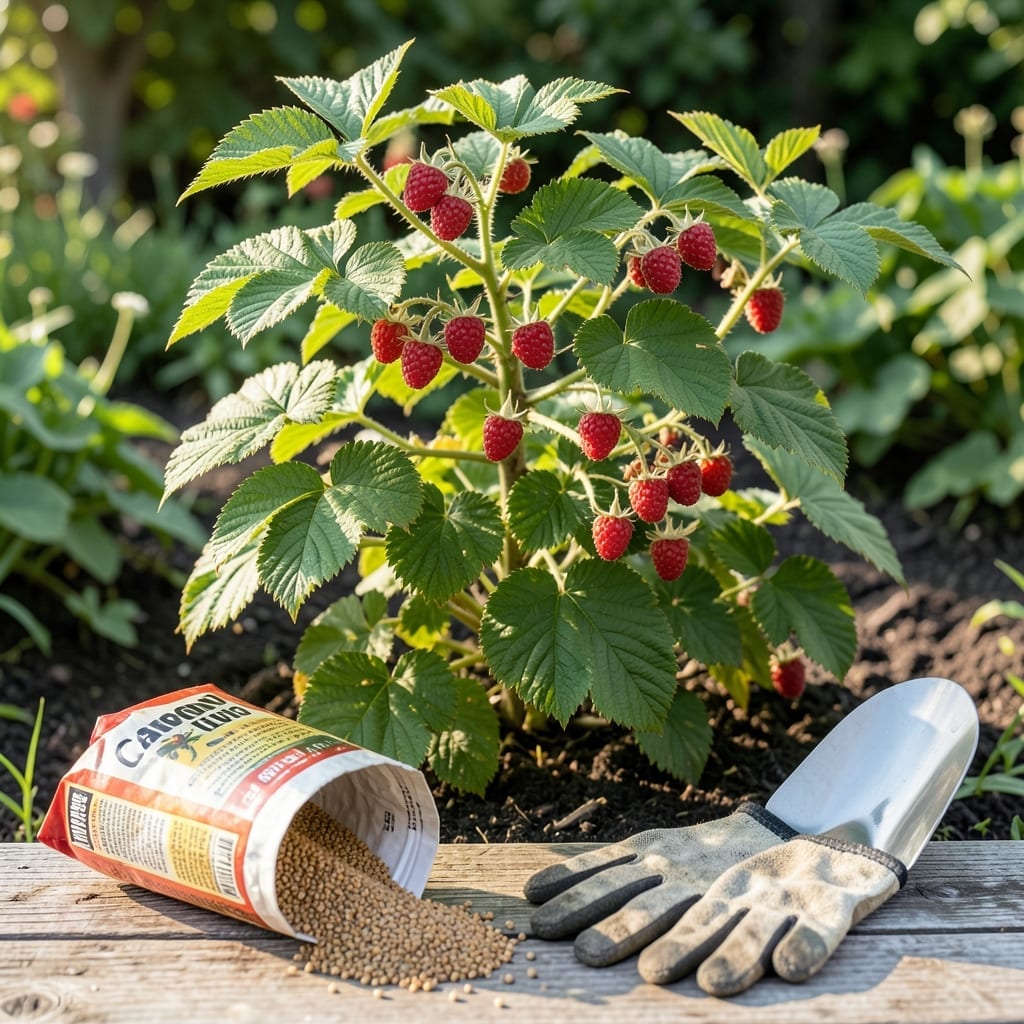
Nothing beats the satisfaction of plucking fresh raspberries from your own garden, but did you know the right nutrients can make or break your harvest? The 🍇 Raspberry plant is a hungry grower, and feeding it properly is the key to bountiful yields.
Choosing the wrong fertilizer can leave your plants struggling or even damage them. I’ll show you how to pick the perfect blend and timing for your Raspberry bushes, so they thrive from spring through harvest season.
Discover the simple secrets that turn average Raspberry plants into fruit-packed powerhouses. Let’s get started on the path to your most productive garden yet.
Choosing the right fertilizer for raspberry plants can dramatically boost their growth and fruit production. I’ve found that balanced NPK ratios work best, with a slight preference for higher nitrogen during early growth stages.
Raspberry bushes respond well to both organic and synthetic fertilizers, but each has its advantages. Organic options improve soil health long-term, while synthetics offer quick nutrient availability.
| Fertilizer Type | Best For | NPK Ratio | Application |
|---|---|---|---|
| Organic Compost | Soil Health | Varies | Spring/Fall |
| Balanced Synthetic | Quick Growth | 10-10-10 | Every 4-6 weeks |
| Fish Emulsion | Leaf Growth | 5-1-1 | Monthly |
| Bone Meal | Root Development | 3-15-0 | Early Spring |
| Slow-Release Granules | Season-Long Feed | 14-14-14 | Once per season |
For newly planted raspberries, I recommend starting with compost and supplementing with a balanced fertilizer. This gives the roots a gentle introduction to nutrients without overwhelming them.
The 10-10-10 ratio is my go-to for established plants, as it provides equal parts nitrogen, phosphorus, and potassium. This balance supports leaf growth, root development, and fruit production equally.
Organic options like fish emulsion or bone meal are excellent for specific needs. Fish emulsion boosts foliage growth, while bone meal strengthens the root system before the growing season.
I’ve had great success with slow-release granules for raspberries. They feed the plants gradually over several months, which is perfect for busy gardeners who might forget regular applications.
Remember that soil pH matters too. Raspberry plants prefer slightly acidic soil between 5.5 and 6.5. Test your soil and amend if needed before applying any fertilizer.
For container-grown raspberries, use a liquid fertilizer every 2-3 weeks during the growing season. Containers deplete nutrients faster than garden soil, so more frequent feeding is necessary.
Always water thoroughly after fertilizing to help distribute the nutrients and prevent root burn. This is especially important with synthetic fertilizers.
Finally, observe your plants. Yellow leaves might indicate nitrogen deficiency, while poor fruit set could signal a need for more phosphorus. Adjust your fertilizer approach based on what your raspberries tell you 🌿
Timing your fertilizer application is just as important as choosing the right type. I always start feeding my raspberry plants in early spring, just as new growth begins to emerge. This gives them a strong start for the growing season.
For established plants, I recommend a second application after harvest to help them recover and prepare for next year. This timing ensures your bushes get nutrients when they need them most.
When applying fertilizer, I prefer to sprinkle granules around the base of the plant, about 6 inches from the canes. This prevents direct contact with stems, which could cause burning.
For liquid fertilizers, I use a watering can to apply the solution directly to the soil. Avoid getting fertilizer on the leaves, as this can lead to foliar burn in hot weather.
The general rule is 1 cup of granular fertilizer per plant for established bushes. For new plantings, I cut this in half to avoid overwhelming the developing roots.
Remember that more isn’t better when it comes to fertilizing. Over-application can lead to excessive leafy growth at the expense of fruit production. I’ve learned this the hard way!
Finally, always fertilize when the soil is slightly moist, never bone dry. This helps the nutrients absorb properly and reduces the risk of burning your plants’ roots 🌱