
Beautiful Plants For Your Interior
Beautiful Plants For Your Interior
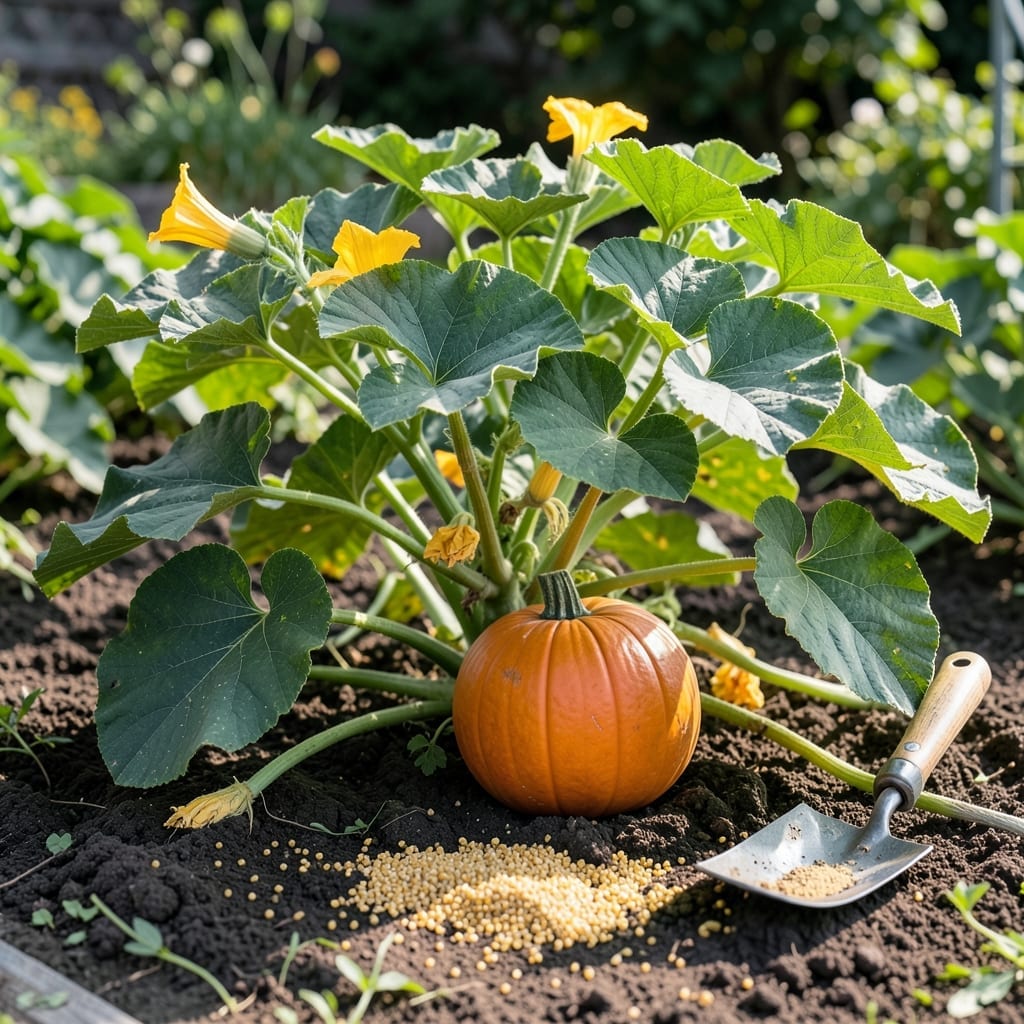
Growing massive, vibrant 🎃 pumpkins starts with the right nutrition. The best fertilizer choices can make or break your harvest.
Phosphorus is the key to stronger roots, bigger blooms, and record-breaking gourds. Without it, your plants may struggle to reach their full potential.
I’ll walk you through how to select and apply fertilizers for bigger harvests this season. Whether you’re new to gardening or have years of experience, these tips will help.
Discover the secrets to feeding your pumpkins what they truly need to thrive. Let’s get started with the essentials.
When I first started growing pumpkins, I quickly learned that not all fertilizers are created equal. Phosphorus is the unsung hero for these vining giants, fueling root development and flower production like nothing else. 🌱
While nitrogen helps with leafy growth, too much can lead to excess foliage at the expense of fruit production. Phosphorus, however, ensures your pumpkin plants develop strong roots and abundant blooms. 🌿
| Stage | Key Nutrient | NPK Ratio | Purpose |
|---|---|---|---|
| Seedling | Balanced | 5-5-5 | Establish roots |
| Vine Growth | Nitrogen | 10-5-5 | Promote foliage |
| Fruiting | Phosphorus | 5-10-10 | Boost blooms & fruit |
| Maturity | Potassium | 3-5-8 | Strengthen fruit |
I always recommend a 5-10-10 NPK ratio for the fruiting stage, as this high-phosphorus blend encourages more flowers and larger pumpkins. The middle number represents phosphorus, which is critical for energy transfer in the plant.
Phosphorus deficiency is easy to spot: purple stems, stunted growth, or poor flowering. If I see these signs, I switch to a high-phosphorus fertilizer immediately. This nutrient also helps pumpkins store energy for growth spurts.
For organic growers, I love using bone meal or rock phosphate as natural phosphorus sources. These slow-release options feed the plant over time, preventing nutrient burn while improving soil structure.
Synthetic fertilizers like triple superphosphate work faster but require careful application. I always water deeply after applying to help nutrients reach the roots and prevent surface runoff.
Remember, soil testing is your best friend. I test my soil every spring to check phosphorus levels before planting. If levels are low, I amend with compost or organic matter first, then supplement with fertilizer as needed.
The timing of application matters too. I apply high-phosphorus fertilizer just as the first flowers appear, then again when small pumpkins begin to form. This ensures the plant has the energy it needs for maximum fruit development.
Finally, don’t forget that phosphorus works best in slightly acidic soil (pH 6.0-7.0). If your soil is too alkaline, phosphorus becomes less available to the plant, no matter how much you apply. 🌼
Choosing the right fertilizer for pumpkins depends on the growth stage of your plants. Each phase has unique nutritional needs to maximize yield and health.
For seedlings, a balanced NPK like 10-10-10 works best. Once vines start running, switch to a high-phosphorus feed to encourage flowering and fruiting.
| Growth Stage | Recommended Fertilizer | NPK Ratio | Key Benefit |
|---|---|---|---|
| Seedling | Balanced | 10-10-10 | Strong start |
| Vine Growth | High-Nitrogen | 20-10-10 | Leafy growth |
| Fruiting | High-Phosphorus | 5-10-10 | Bigger pumpkins |
| Maturity | Low-Nitrogen | 3-5-5 | Sustain growth |
I always use organic options like compost or worm castings for seedlings. These provide gentle, steady nutrients without the risk of burning young plants.
During the vine growth stage, I switch to a higher nitrogen formula to fuel rapid foliage expansion. This helps create a strong framework for future pumpkins.
When flowers appear, it’s time for high-phosphorus fertilizer. This is crucial for fruit development. I apply it every 4-6 weeks during the growing season.
For best results, always test your soil before applying any fertilizer. This helps you understand what your pumpkins truly need for optimal growth.