
Beautiful Plants For Your Interior
Beautiful Plants For Your Interior
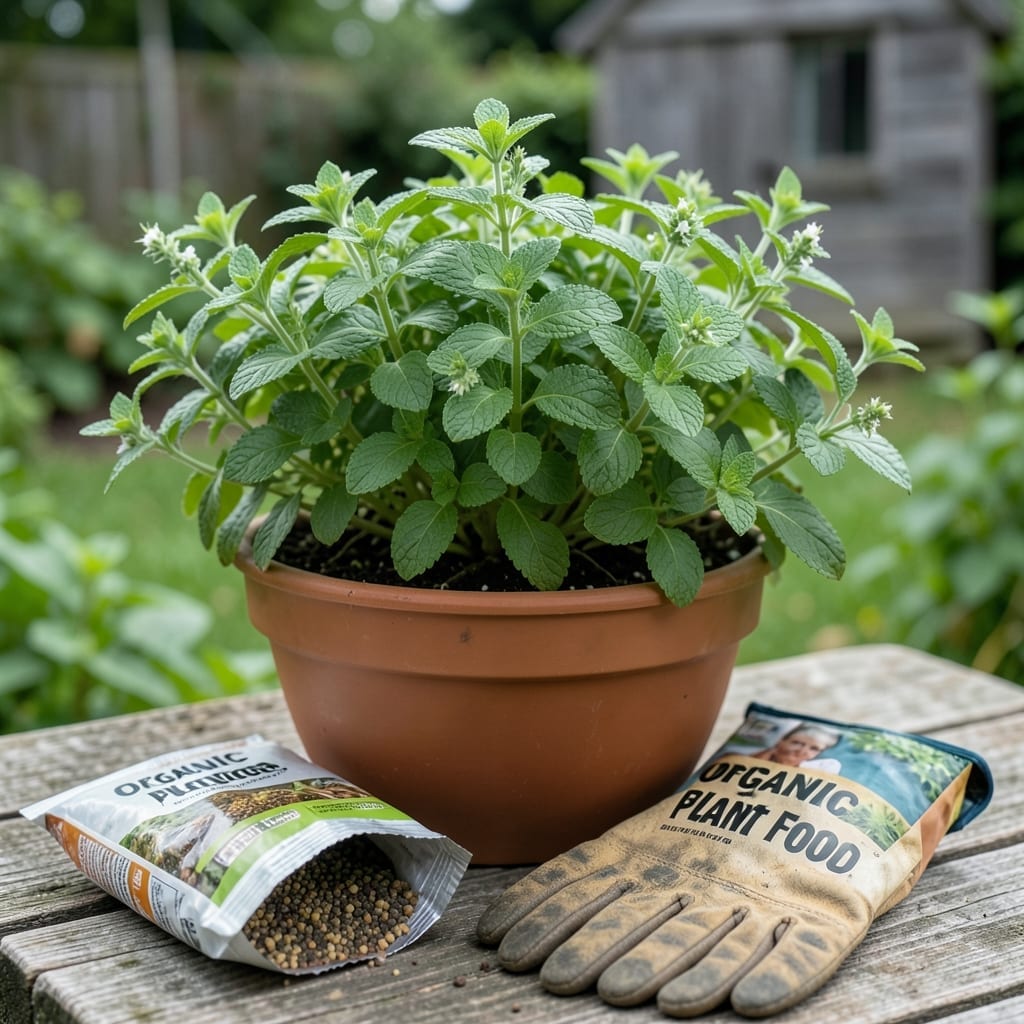
Nothing beats the fresh aroma of homegrown 🌿 mint, but did you know the right nutrients can make or break your harvest? I’ve seen too many gardeners struggle with weak, sparse mint when a simple feeding adjustment could transform their plants.
Mint isn’t fussy, but it does need consistent nourishment to reach its full potential. The good news? Natural options work wonderfully and are often sitting in your kitchen or compost pile right now.
Whether you’re growing mint for tea, cocktails, or culinary creations, proper fertilization ensures those vibrant green leaves keep coming all season. I’ll show you exactly what works best without any guesswork.
Discover how to give your mint the boost it craves for that lush, fragrant growth you’ve been dreaming about.
I’ve found that mint plants respond best to organic fertilizers that gently nourish without overwhelming their delicate roots. Unlike synthetic options, natural choices improve soil health while providing balanced nutrition.
Compost is my top pick—it’s rich in nitrogen, perfect for leafy growth, and enhances soil structure. Worm castings are another favorite, packed with micronutrients that mint loves.
| Fertilizer Type | Nutrient Focus | Best For | Application |
|---|---|---|---|
| Compost | Balanced N-P-K | Soil health | Mix into soil at planting |
| Worm Castings | Micronutrients | Root development | Top-dress monthly |
| Fish Emulsion | High nitrogen | Leafy growth | Dilute, apply every 4 weeks |
| Seaweed Extract | Potassium boost | Stress resistance | Foliar spray biweekly |
Fish emulsion is ideal for a quick nitrogen boost, especially if your mint leaves look pale. I use it every 4 weeks during the growing season for vibrant, fast growth.
Seaweed extract is my secret for stress-resistant mint. It’s loaded with potassium and trace minerals, which help plants withstand heat or drought.
For container-grown mint, I mix compost into the potting soil at planting. Then, I top-dress with worm castings every 6 weeks to maintain steady nutrient levels.
Remember, mint prefers a balanced NPK ratio like 10-10-10. Too much nitrogen can lead to excessive leaf growth with weak stems and reduced aroma.
I always water deeply after fertilizing to help nutrients reach the root zone. This prevents fertilizer burn and ensures even distribution in the soil.
If your mint plants start yellowing or wilting, it might be a sign of over-fertilization. In that case, I flush the soil with water and pause feeding for a few weeks.
Using organic options like these ensures your mint stays healthy and flavorful without harsh chemicals. 🌿
Timing your mint fertilization correctly ensures vibrant growth. I recommend starting in early spring when new shoots appear, then repeating every 4-6 weeks through summer. This schedule keeps your plants nourished during active growth periods.
For best results, apply fertilizer in the early morning. This allows the nutrients to absorb before the heat of the day. Always water your mint lightly before and after feeding to prevent root burn and enhance uptake.
I prefer using liquid fertilizers for mint because they’re easy to apply and absorb quickly. Simply dilute as directed and water at the base of the plant. This method avoids leaf burn and delivers nutrients directly to the roots.
Watch for signs of over-fertilization, like yellowing leaves or weak stems. If you notice these, flush the soil with water to remove excess nutrients and pause feeding for a few weeks.
Side-dressing with compost or worm castings is another effective method. Gently work the organic matter into the top inch of soil around your mint plants. This slow-release approach provides steady nourishment.
Remember, mint thrives in well-draining soil, so avoid heavy clay or waterlogged areas. Healthy soil structure ensures your fertilizer works efficiently, promoting lush, aromatic growth all season long. 🌿