
Beautiful Plants For Your Interior
Beautiful Plants For Your Interior
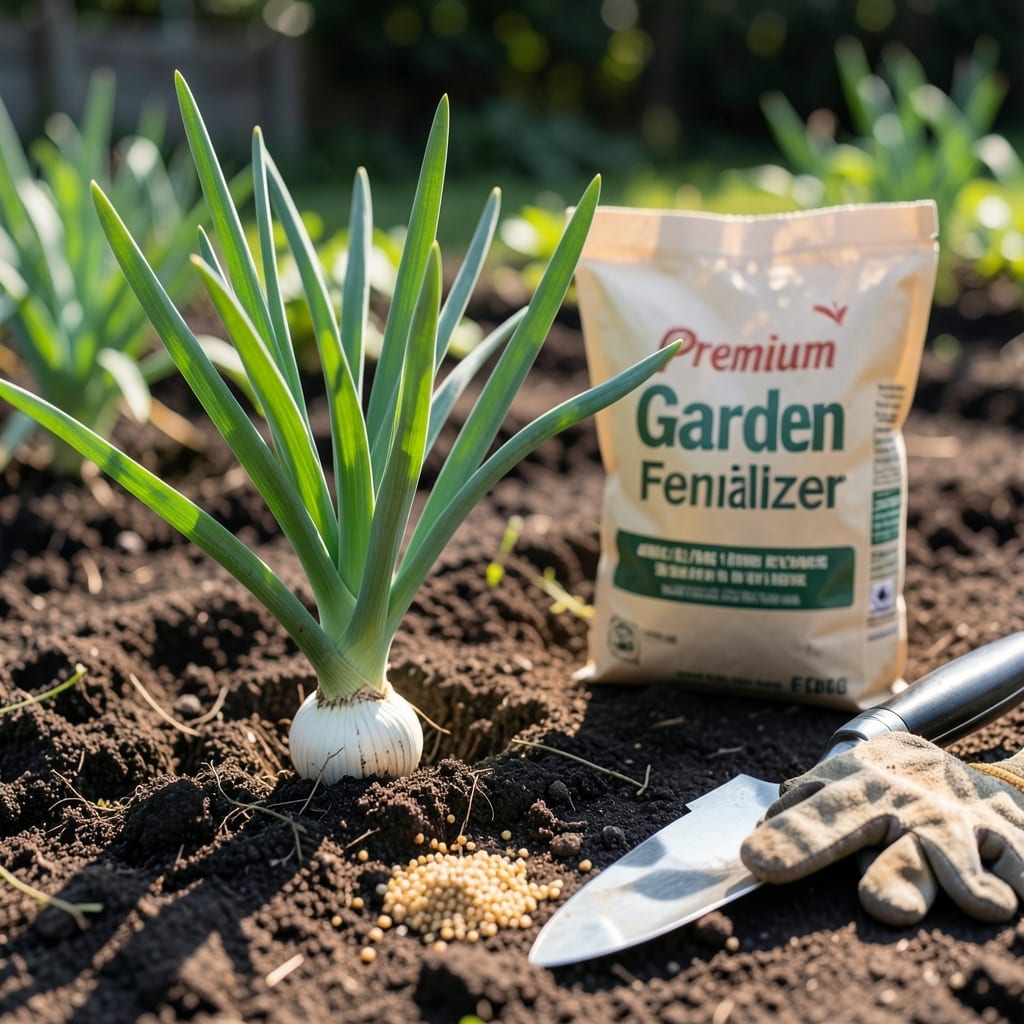
Growing robust 🧄 with plump, flavorful bulbs starts with the right nutrition. It’s not just about planting and hoping for the best.
I’ve learned that garlic thrives when given the proper organic boost at the right times. The difference between a mediocre harvest and a bountiful one often comes down to what you feed your soil.
Let me show you how to nourish your garlic naturally, from planting to harvest. You’ll discover simple methods that make a world of difference.
Choosing the right organic fertilizer can transform your garlic harvest. I’ve seen firsthand how the proper nutrients at planting and growth stages create larger, healthier bulbs. The key is matching fertilizer types to garlic’s needs.
Garlic thrives on balanced nutrition, especially with higher phosphorus and potassium to support bulb development. Organic options also improve soil structure, which garlic loves. Here’s what works best in my garden.
| Fertilizer Type | Key Nutrients | Best Use Time |
|---|---|---|
| Compost | Balanced N-P-K | Planting, early spring |
| Bone Meal | High phosphorus | Fall planting |
| Fish Emulsion | Nitrogen boost | Early growth phase |
| Worm Castings | Micronutrients | Throughout season |
Compost is my go-to foundation. It provides a slow-release of nutrients and improves soil drainage, which garlic needs to prevent rot. I work 2-3 inches of well-aged compost into the soil before planting cloves.
Bone meal is a powerhouse for bulb formation. Its high phosphorus content encourages strong root and bulb development. I add 1 tablespoon per planting hole at planting time for best results.
Fish emulsion offers a quick nitrogen boost when garlic shoots emerge in spring. I use a diluted solution every 3-4 weeks during active growth, but stop once bulbs begin forming to avoid excessive leaf growth.
Worm castings are my secret weapon. They’re packed with beneficial microbes and micronutrients that garlic absorbs easily. I top-dress with 1/4 inch around plants monthly throughout the growing season.
Avoid fresh manure as it can burn young garlic plants. Also, remember that too much nitrogen late in the season produces lush tops but small bulbs. Balance is everything with garlic fertilization.
I’ve found that combining these fertilizers creates the ideal environment. Start with compost at planting, add bone meal for phosphorus, then use fish emulsion and worm castings during growth. This approach consistently gives me bigger, more flavorful bulbs at harvest time.☀️
The timing of application matters as much as the type. Early season focuses on root development, while mid-season supports bulb formation. Always water after applying dry fertilizers to help nutrients reach the roots.
Timing your fertilizer applications is crucial for garlic success. I’ve learned that garlic has distinct nutritional needs at different growth stages. The right schedule ensures strong roots early and plump bulbs later.
Garlic benefits most from three key feeding times: at planting, early spring growth, and during bulb formation. Each stage requires different nutrients to support its development.
Side-dressing is my preferred method for dry fertilizers. I sprinkle compost or worm castings in a 2-inch band alongside the row, then gently work it into the soil. This prevents root disturbance while delivering nutrients.
For liquid fertilizers like fish emulsion, I use a watering can to apply at soil level. This ensures the nutrients go directly to the roots rather than the leaves. Always follow with thorough watering to help absorption.
Watch for signs of over-fertilizing, like yellowing leaf tips or stunted growth. If you see these, flush the soil with water and hold off on more fertilizer. Under-fertilizing shows as pale leaves or weak growth.
I’ve found that morning applications work best. This gives plants time to absorb nutrients before the heat of the day. Also, avoid fertilizing right after heavy rain, as nutrients may wash away before plants can use them.🌱