
Beautiful Plants For Your Interior
Beautiful Plants For Your Interior
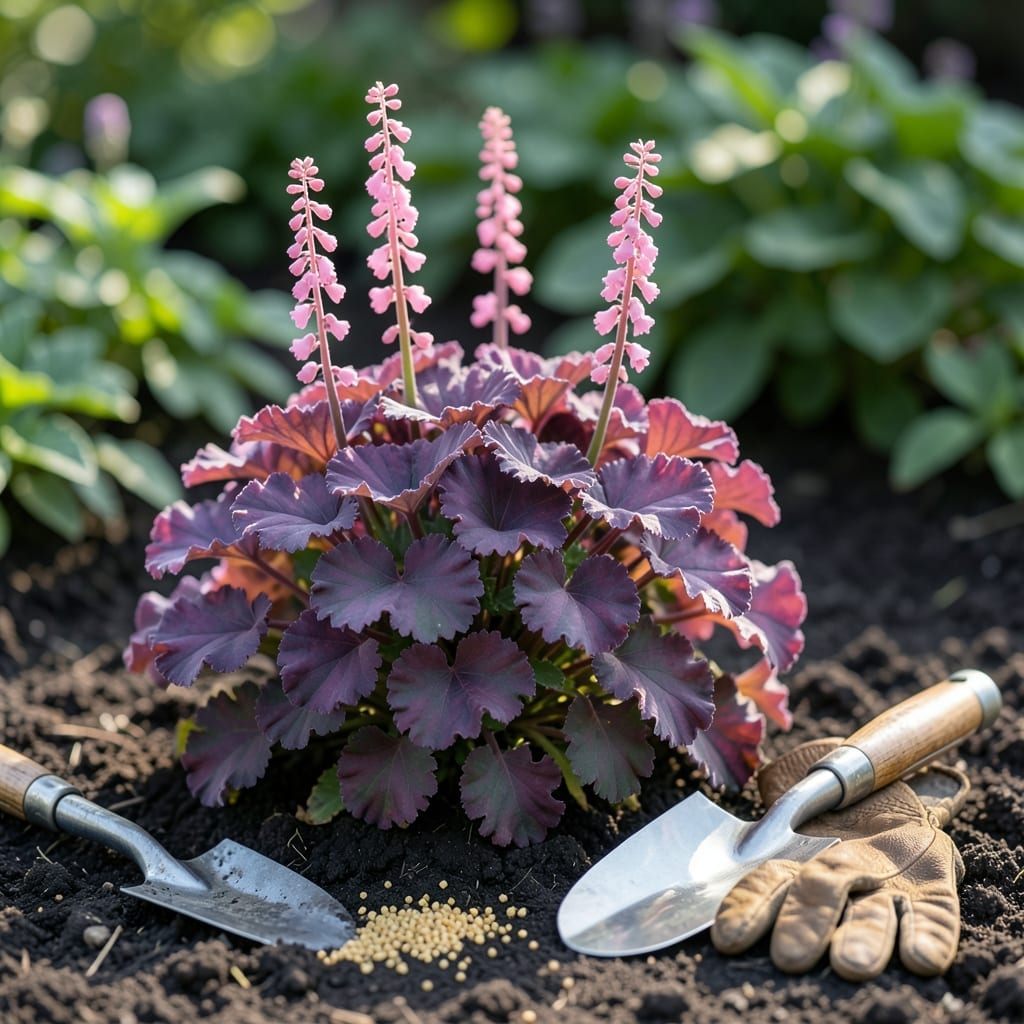
There’s something magical about watching 🌸 Coral Bells transform your garden with their vibrant colors and delicate textures. But here’s what most gardeners miss: those stunning leaves need the right nutrition to truly shine.
I’ve seen too many Coral Bells struggle with dull foliage simply because they weren’t getting proper feeding. The good news? With just a few simple steps, you can make all the difference.
Whether you’re growing them in zones 4-9 or just starting out, understanding their fertilizer needs is the key to unlocking their full potential. It’s easier than you might think.
Let me show you exactly how to give your Coral Bells the boost they need for that breathtaking display you’ve been dreaming of.
I always tell gardeners that coral bells thrive with the right nutrition. These vibrant perennials need a balanced fertilizer to maintain their stunning foliage colors and healthy growth patterns. 🌿
A 10-10-10 NPK ratio works wonders, but I’ve found organic options like compost or fish emulsion can be just as effective for Heuchera plants. The key is matching the fertilizer to your soil’s current condition.
| Fertilizer Type | NPK Ratio | Best Application Time |
|---|---|---|
| Balanced Synthetic | 10-10-10 | Early Spring |
| Fish Emulsion | 5-1-1 | Growing Season |
| Compost | Varies | Spring/Fall |
| Slow-Release Granules | 14-14-14 | Early Spring |
In my experience, spring feeding is crucial for coral bells. I recommend starting with a light application as new growth appears, then following up every 4-6 weeks during the growing season.
The soil pH for Heuchera should be slightly acidic to neutral, between 6.0 and 7.0. If your soil is too alkaline, I suggest amending it with elemental sulfur before fertilizing. 🌱
For organic gardeners, I love using worm castings as a gentle fertilizer. They provide slow-release nutrients without the risk of burning your plants. Just work a handful into the soil around each plant.
I’ve noticed that liquid fertilizers work particularly well for coral bells in containers. They allow for quick absorption and let me adjust the strength based on the plant’s needs.
When applying any fertilizer, I always water the plants first. This helps prevent root burn and ensures the nutrients are properly distributed in the soil. Then I water again after application to activate the fertilizer. ✂️
For fall care, I switch to a low-nitrogen fertilizer to help coral bells prepare for winter. This encourages root development rather than new foliage growth, which could be damaged by frost.
Remember, more isn’t always better with fertilizer. I’ve seen many gardeners damage their Heuchera by over-feeding. Stick to the recommended amounts and frequencies for the healthiest plants with the most vibrant colors. 🌿
I’ve found that proper fertilization timing and application methods make all the difference with coral bells. These plants thrive with consistent, light feeding rather than heavy doses.
For best results, apply balanced fertilizer every 4-6 weeks during the growing season, starting in early spring as new growth appears.
I always recommend early morning applications when the soil is moist. This helps the coral bells absorb nutrients more effectively and reduces the risk of fertilizer burn.
For granular fertilizers, sprinkle around the drip line and gently work into the top inch of soil. With liquid fertilizers, dilute to half strength and apply at the base.
Watch for signs of over-fertilization like yellowing leaves or stunted growth. If this happens, flush the soil with water and pause feeding for 2-3 weeks.
Remember, consistency is key with coral bells. A light, regular feeding schedule will keep your plants vibrant without the stress of heavy applications. ✂️