
Beautiful Plants For Your Interior
Beautiful Plants For Your Interior
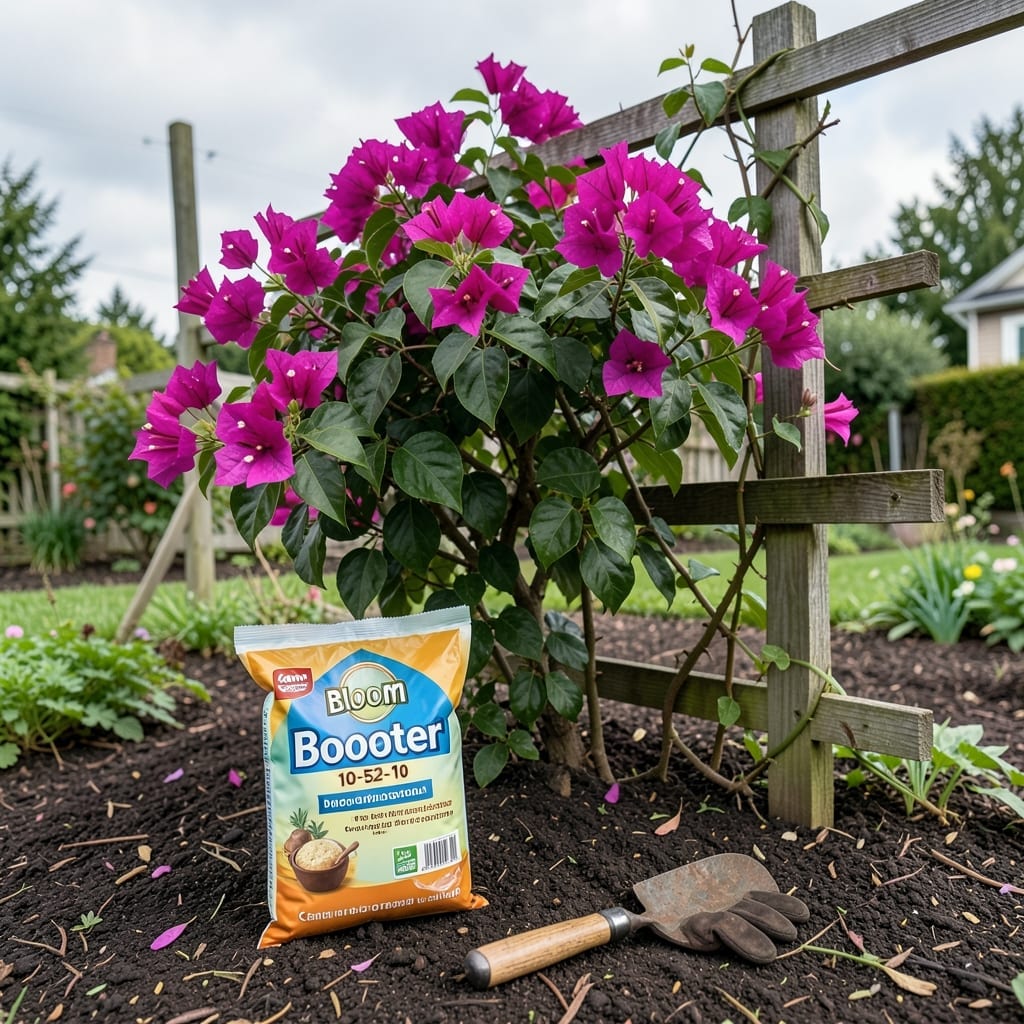
Struggling to get your 🌸 Bougainvillea to burst into vibrant color? The secret often lies in what you’re feeding it.
Many gardeners focus on watering and sunlight, only to wonder why their vines stay green and bloom-free. What you might be missing is the right nutrient balance to trigger those stunning displays.
I’ve tested countless approaches with my own Bougainvillea, and the difference the proper fertilizer makes is night and day. The key isn’t just more food – it’s the right kind.
Let me walk you through what actually works to transform your vines into a flowering spectacle that’ll stop neighbors in their tracks.
If your bougainvillea looks lush but refuses to bloom, the culprit is often nutrient imbalance. These tropical vines thrive on phosphorus, the middle number in NPK ratios, which fuels flower production.
While nitrogen encourages leafy growth, phosphorus stimulates root development and bloom formation. For bougainvillea, a 10-30-10 or similar high-phosphorus feed shifts energy from foliage to vibrant bracts.☀️
| Nutrient | Role in Blooming | Ideal NPK Ratio |
|---|---|---|
| Phosphorus | Boosts flower production | High (e.g., 10-30-10) |
| Nitrogen | Encourages leaf growth | Moderate (avoid excess) |
| Potassium | Supports overall health | Balanced (e.g., 10-10-10) |
I’ve seen dramatic results when switching from balanced fertilizers to high-phosphorus blends. Bougainvillea in USDA zones 9-11 respond best to monthly feeding during the growing season.
Timing matters too. Apply fertilizer for bougainvillea in early spring to kickstart blooming, then every 4-6 weeks through summer. Avoid feeding in winter when the plant is dormant.
Soil conditions also play a role. Bougainvillea prefer slightly acidic to neutral soil (pH 6.0-7.0). If your soil is too alkaline, phosphorus becomes less available, which can stunt blooms.
Another tip: withhold water slightly before fertilizing. This creates mild stress, which paradoxically encourages more blooms in bougainvillea. They’re drought-tolerant once established, so don’t overwater!
For potted bougainvillea, use a slow-release fertilizer to avoid nutrient burn. I recommend mixing compost into the soil at planting time for a natural phosphorus boost.
Remember, more isn’t better. Over-fertilizing can lead to salt buildup in the soil, which harms roots and reduces blooming. Always follow package instructions for application rates.
Finally, pair your fertilizer routine with full sun exposure (6+ hours daily) and prune regularly to shape the plant and encourage new growth, where blooms form.🌸
To get your bougainvillea to burst into color, I always reach for high-phosphorus fertilizers. These feeds, like 10-30-10 NPK, focus energy on flower production rather than leafy growth.
Look for water-soluble options for quick absorption or slow-release granules for steady feeding. Both work well, but I prefer granules for low-maintenance care.
| Fertilizer Type | Phosphorus Content | Best For |
|---|---|---|
| Miracle-Gro Bloom Booster | 15-30-15 | Quick color boost |
| Osmocote Smart-Release | 14-14-14 | Slow steady feeding |
| Dr. Earth Organic | 5-10-5 | Natural option |
I apply fertilizer every 4-6 weeks during the growing season. Early morning is ideal, as it lets the bougainvillea absorb nutrients before the heat kicks in.
For organic gardeners, I love bone meal or compost tea. These provide phosphorus naturally without harsh chemicals. Just mix into the soil around the base.
Remember, over-fertilizing can harm your plant. Stick to the recommended dose and watch for yellowing leaves, a sign of too much feed.
With the right fertilizer and care, your bougainvillea will reward you with vibrant blooms all season long. I’ve seen dramatic improvements within just a few weeks of switching to high-phosphorus feeds 🌸