
Beautiful Plants For Your Interior
Beautiful Plants For Your Interior
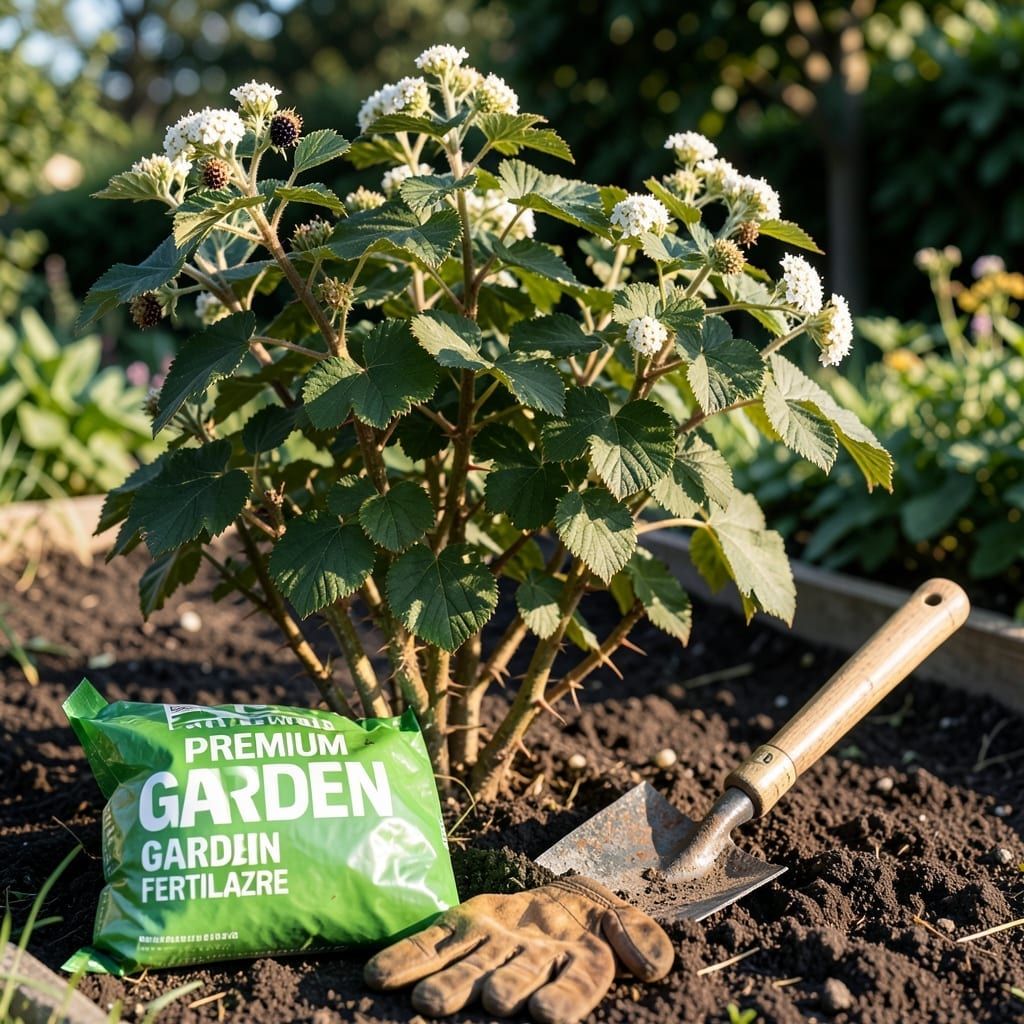
There’s nothing worse than watching your 🫐 Blackberry bushes struggle when a little extra nutrition could make all the difference. The right feeding approach can transform your plants from sparse to thriving.
I’ve seen firsthand how proper fertilization turns lackluster bushes into bountiful producers. Timing and technique matter just as much as the fertilizer itself.
Discover how to give your Blackberries exactly what they need, when they need it, for bigger and tastier harvests every season.
Choosing the right fertilizer for blackberry bushes can make or break your harvest. I’ve learned that balanced nutrition at the right time boosts both growth and fruit quality. Each season demands a different approach to feeding.
In early spring, focus on high-nitrogen fertilizers to fuel new cane growth. A 10-10-10 or 16-16-16 blend works wonders for most blackberry varieties. This is when your plants are waking up and need energy.
| Season | Fertilizer Type | NPK Ratio | Purpose |
|---|---|---|---|
| Spring | Balanced | 10-10-10 | New growth |
| Early Summer | Low nitrogen | 5-10-10 | Fruit development |
| Late Summer | Potassium boost | 0-10-20 | Berry quality |
| Fall | Organic compost | Varies | Root health ✂️ |
During early summer, switch to a low-nitrogen fertilizer to encourage fruit production over leafy growth. A 5-10-10 ratio supports berry development while keeping the plant vigorous.
As summer progresses, potassium becomes crucial. I recommend a 0-10-20 fertilizer to enhance berry sweetness and size. This is when your blackberries are forming and need that extra push.
In fall, after harvest, apply organic compost or well-rotted manure. This builds soil health and preps the bushes for next year’s growth. Avoid high-nitrogen feeds now to prevent late-season growth that winter can damage.
Winter is a rest period for blackberries. I skip fertilizing entirely during dormancy. The roots are inactive, and excess nutrients can leach away or harm the plant when it’s not actively growing.
For organic gardeners, options like fish emulsion, bone meal, and compost tea work beautifully. These provide gentle, steady nutrition without chemical burn risks.
Always test your soil first. Blackberries prefer slightly acidic soil (pH 5.5-6.5). If your soil is off, amend it before fertilizing to ensure your bushes can actually absorb the nutrients.
Remember, less is often more with fertilizers. Overfeeding can lead to excessive leafy growth at the expense of fruit, or even damage the roots. Stick to the recommended rates and observe how your plants respond.
With the right seasonal approach, your blackberry bushes will reward you with abundant, flavorful harvests year after year 🌿
Applying fertilizer for blackberry bushes correctly ensures your plants get the nutrients they need without the risk of burn or waste. I’ve found that timing and placement are just as important as the type of fertilizer you choose.
Start by spreading fertilizer evenly around the drip line of the plant, keeping it 6-12 inches away from the base. This is where the feeder roots are most active and can absorb nutrients efficiently.
⚠️ Avoid Overfeeding
Never apply fertilizer directly against the stem or cane. This can cause chemical burns and damage your blackberry bushes. Always water thoroughly after applying to help nutrients soak into the soil.
For granular fertilizers, I recommend applying 1 cup per plant every 4-6 weeks during the growing season. Scratch it lightly into the top inch of soil to prevent runoff and ensure it stays in place.
If you’re using liquid fertilizers, dilute them as directed and apply to moist soil. This prevents root shock and helps the plant absorb nutrients more effectively. Early morning is the best time to fertilize.
Always water deeply after applying fertilizer. This helps distribute nutrients evenly through the root zone and reduces the risk of salt buildup, which can harm your bushes over time.
Monitor your plants for signs of over-fertilization, such as yellowing leaves or stunted growth. If you notice these, flush the soil with water and hold off on fertilizing until the plant recovers.
With the right application technique, your blackberry bushes will thrive and reward you with juicy, plentiful berries season after season 🌱