
Beautiful Plants For Your Interior
Beautiful Plants For Your Interior
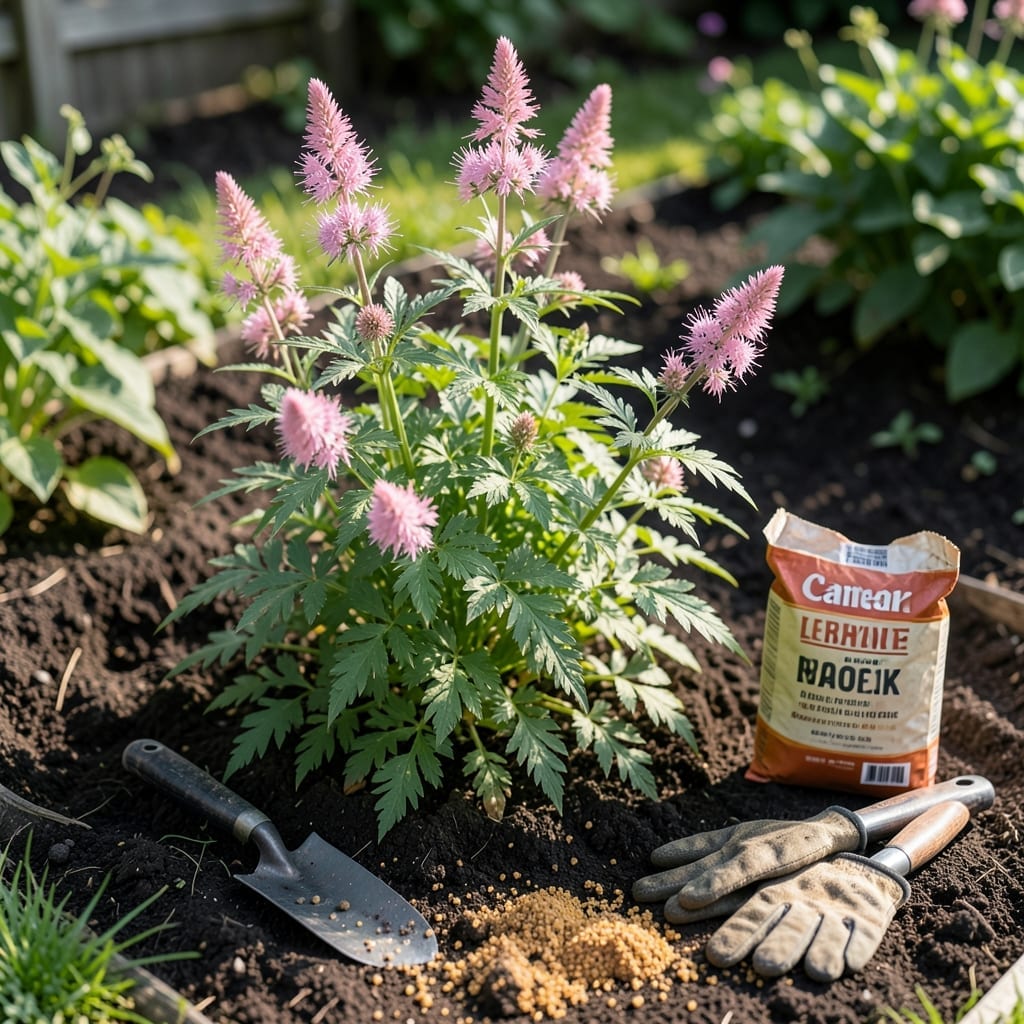
Nothing transforms a shady garden spot quite like the feather-like blooms of Astilbe 🌸. But those stunning plumes don’t happen by accident—proper nutrition is the secret to vibrant, long-lasting flowers.
If your plants look lackluster, the right feeding approach can turn them into showstoppers. I’ve tested countless methods to find what works best for these shade-loving perennials.
From organic mixes to slow-release formulas, I’ll break down the most effective ways to nourish your Astilbe. You’ll discover how to boost growth and maximize those gorgeous blooms.
Whether you’re new to gardening or a seasoned pro, these tips will help you achieve the lush, colorful display you’ve always wanted.
Choosing the right fertilizer for astilbe starts with understanding their needs. These shade-loving perennials thrive with balanced nutrition that supports both foliage growth and flower production without overwhelming their delicate roots.
I recommend starting with organic options like compost or well-rotted manure. These improve soil structure while providing slow-release nutrients that astilbes love. For quicker results, synthetic fertilizers can work but require careful timing.
| Fertilizer Type | NPK Ratio | Best For | Application Frequency |
| Compost | Varies | Soil improvement | Spring/Fall |
| 10-10-10 Balanced | 10-10-10 | General feeding | Every 4-6 weeks |
| Bone Meal | 3-15-0 | Root development | Early spring |
| Fish Emulsion | 5-1-1 | Quick bloom boost | Monthly |
For organic gardeners, I love using compost tea as a gentle feed. It delivers micronutrients and beneficial microbes that keep astilbes healthy. Apply it every 2-3 weeks during the growing season for best results.
Slow-release granular fertilizers are another great choice. Look for a balanced 10-10-10 formula and apply in early spring and again after the first bloom cycle. This mimics the natural nutrient release astilbes would get in the wild.
If you prefer liquid fertilizers, opt for a water-soluble 5-10-5 mix. These work quickly but need more frequent application – about every 2 weeks. Be careful not to overdo it, as too much nitrogen can lead to leafy growth at the expense of flowers.
I’ve found that bone meal is excellent for establishing new astilbe plants. Its high phosphorus content promotes strong root systems, which is crucial for these shallow-rooted plants. Mix 1 tablespoon into the planting hole for each new division.
For established plants, a light feeding of fish emulsion every month during the growing season works wonders. It’s particularly effective for reviving tired plants or giving a mid-season boost to flowering.
Remember that astilbes prefer slightly acidic soil (pH 6.0-6.5). If your soil is alkaline, consider amending with elemental sulfur or using an acid-loving plant fertilizer to maintain the proper pH balance.
Always water thoroughly after fertilizing to help distribute nutrients and prevent root burn. And never fertilize dry plants – this can cause nutrient uptake issues and stress the plant.
With the right fertilizer approach, your astilbes will reward you with vibrant, long-lasting blooms that brighten up those shady spots in your garden 🌸
I’ve found that astilbes thrive with the right feeding approach. The key is timing and technique to ensure those feather-like blooms stay vibrant all season long.
Whether you choose granular or liquid fertilizer, applying it every 4-6 weeks during active growth keeps your plants happy. Always water deeply after feeding to help nutrients reach the roots.
For granular fertilizers, sprinkle 1 tbsp per plant and gently work it into the soil. This method is low-maintenance and perfect for busy gardeners.
If you prefer liquid fertilizers, dilute to half-strength and apply directly to the soil. I recommend this for quick nutrient absorption during peak blooming periods.
Never fertilize dry soil—always water first to prevent root burn. This simple step can make a huge difference in your astilbe’s health. 🌿
Foliar feeding is another option, but I use it sparingly. A light mist of liquid fertilizer on leaves can give a quick boost, especially if your plants look tired.
Remember, less is often more with astilbes. Over-fertilizing can lead to weak stems and reduced flowering, so stick to the schedule. 🌸