
Beautiful Plants For Your Interior
Beautiful Plants For Your Interior
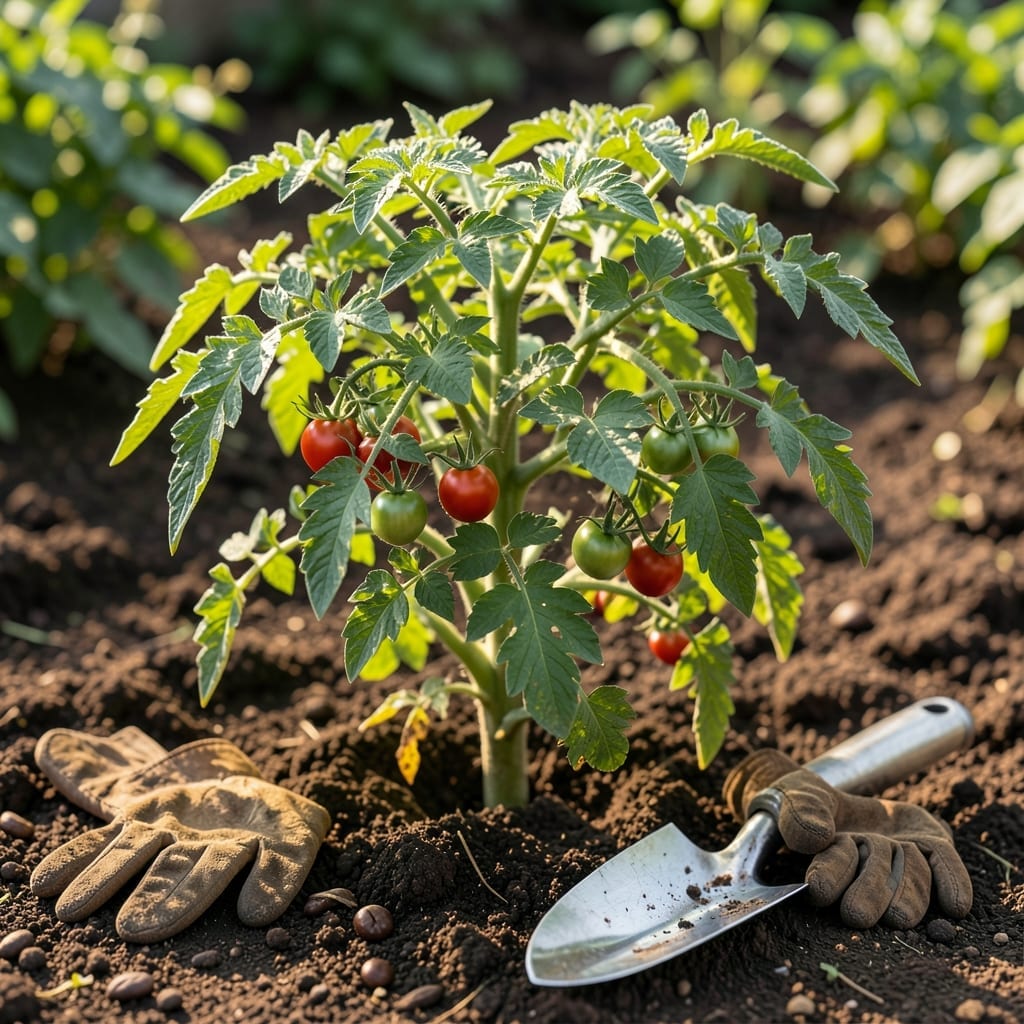
Tired of tossing coffee grounds in the trash? I discovered a game-changer for my garden: these leftover grounds can transform your soil naturally.
For General Plants 🌱 in zone 6, coffee grounds offer a slow-release nitrogen boost that works wonders. They’re an eco-friendly way to enrich your soil without harsh chemicals.
Learn how to use them effectively, which plants love them most, and the simple tricks to avoid common mistakes. Your garden will thank you.
I’ve found that using coffee grounds in my garden does more than just recycle waste. These grounds are packed with nitrogen, a key nutrient that helps plants develop lush green leaves and strong stems.
They also contain phosphorus and potassium, which support root growth and overall plant health. This makes them a complete organic fertilizer for many garden favorites. 🌱
| Nutrient | Benefit |
|---|---|
| Nitrogen (2%) | Promotes leafy growth and chlorophyll production |
| Phosphorus (0.3%) | Supports root development and flowering |
| Potassium (0.3%) | Boosts disease resistance and plant vigor |
Beyond nutrients, coffee grounds improve soil structure by attracting earthworms. These little helpers aerate the soil and break down organic matter, making nutrients more accessible to plants.
I’ve noticed that my acid-loving plants like blueberries and azaleas thrive when I mix coffee grounds into their soil. The grounds gently lower soil pH, creating the ideal acidic environment these plants crave. 🌿
Another bonus: coffee grounds act as a natural pest deterrent. Slugs and snails can’t stand the coarse texture or the caffeine, so they’ll often avoid areas where I’ve sprinkled fresh grounds.
For best results, I compost coffee grounds first. This prevents them from clumping and allows the nutrients to break down more evenly. When composted, they become a rich soil amendment that improves drainage and water retention.
I also use them as a mulch layer around my plants. A thin layer helps retain moisture and slowly releases nutrients as it decomposes. Just
If you’re growing vegetables, coffee grounds can give them a boost too. My tomatoes and peppers respond well to a light sprinkling worked into the soil at planting time.
Just be mindful of the quantity. I limit myself to no more than 15-20% coffee grounds in my compost pile. Too much can make the soil too acidic and may harm plants that prefer neutral or alkaline conditions.
Using coffee grounds effectively starts with knowing how and where to apply them. I’ve learned that acid-loving plants like blueberries, azaleas, and rhododendrons benefit the most from this natural fertilizer.
For these plants, I work 1 cup of grounds into the soil around each plant every 4-6 weeks. This provides a steady supply of nitrogen without overwhelming the soil. 🌿
For vegetables, I use coffee grounds more sparingly. My tomatoes and peppers get a light sprinkling at planting time, then a monthly top-dressing during the growing season.
Avoid using fresh grounds on seedlings or young plants as the caffeine can inhibit growth. I always compost first when using grounds for delicate plants. 🌱
Remember that coffee grounds are mildly acidic. If your soil is already acidic, test it before adding more. Plants like lavender or rosemary prefer alkaline soil and may suffer with too many coffee grounds.
I also avoid using coffee grounds from flavored coffees as these may contain additives that aren’t plant-friendly. Stick to plain black coffee grounds for the best results in your garden.