
Beautiful Plants For Your Interior
Beautiful Plants For Your Interior
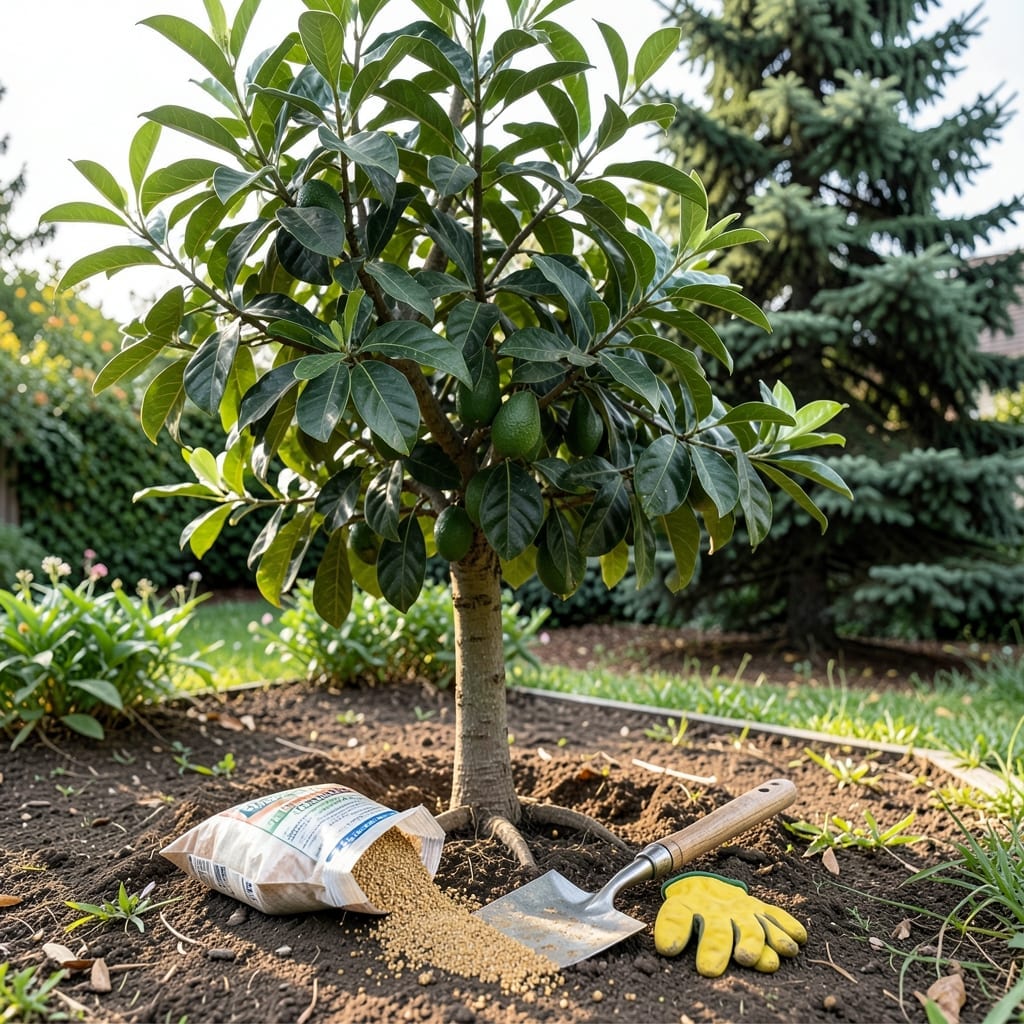
If your 🥑 Avocado Tree isn’t thriving as it should, the problem might be in your fertilising approach. Many gardeners unknowingly use products that do more harm than good.
I’ve seen firsthand how the right organic blends can transform a struggling tree into a lush, fruit-bearing beauty. The difference is remarkable when you get the nutrients right.
Discover which natural options work best for Avocado Trees and how to apply them for maximum impact without the guesswork.
Choosing the right organic fertiliser can make or break your avocado tree’s health. These trees need a balanced nutrient profile to develop strong roots and produce abundant fruit consistently.
I’ve tested various blends and found that natural options like compost and worm castings provide the most sustained nutrition without chemical burnout risks common with synthetic alternatives.
| Fertiliser Type | Key Nutrients | Best For |
|---|---|---|
| Compost | Balanced N-P-K | Soil health |
| Worm Castings | Slow-release | Root growth |
| Fish Emulsion | High nitrogen | Foliage boost |
| Kelp Meal | Micronutrients | Fruit production |
Compost is my top pick for overall soil improvement. It slowly releases essential nutrients while improving soil structure, which avocado trees love for their extensive root systems.
Worm castings are another powerhouse, packed with beneficial microbes that help break down nutrients into forms your tree can easily absorb. I apply a 2-inch layer around the base monthly.
Fish emulsion provides a quick nitrogen boost when your tree needs a foliage pick-me-up. Use it sparingly though – too much can burn delicate roots and create imbalances.
Kelp meal stands out for its rich micronutrient content, particularly zinc and iron that avocado trees often lack. It’s perfect for encouraging flowering and fruit set.
For best results, I rotate these fertilisers throughout the growing season. Start with compost in early spring, switch to worm castings in summer, then use kelp meal in early fall to prepare for dormancy.
Remember that avocado trees are sensitive to salt buildup from over-fertilising. Always water deeply after applying any fertiliser to help distribute nutrients evenly through the root zone.
Test your soil annually to monitor pH levels and nutrient content. Avocados prefer slightly acidic soil (pH 6-6.5), and adjustments may be needed to optimise fertiliser effectiveness.
🌳
Timing is everything when it comes to fertilising avocado trees. These trees have specific seasonal needs that change as they grow. I’ve learned that applying fertiliser at the wrong time can do more harm than good.
For young trees, start with a light feeding in early spring as new growth appears. Mature trees benefit from quarterly applications during the growing season, tapering off as winter approaches.
The best application method is top-dressing, spreading fertiliser evenly under the drip line of the tree. This ensures nutrients reach the active root zone where they’re most needed.
For foliar feeding, I use a diluted fish emulsion spray on the leaves. This provides a quick nutrient boost during stress periods, but should complement, not replace, soil applications.
Always water thoroughly after applying fertiliser to help distribute nutrients and prevent root burn. This is especially important with dry fertilisers that need to be dissolved into the soil.
Remember that less is more with avocado trees. I recommend starting with half the recommended dosage and monitoring your tree’s response before increasing. Over-fertilising can lead to salt buildup in the soil.
☀️