
Beautiful Plants For Your Interior
Beautiful Plants For Your Interior
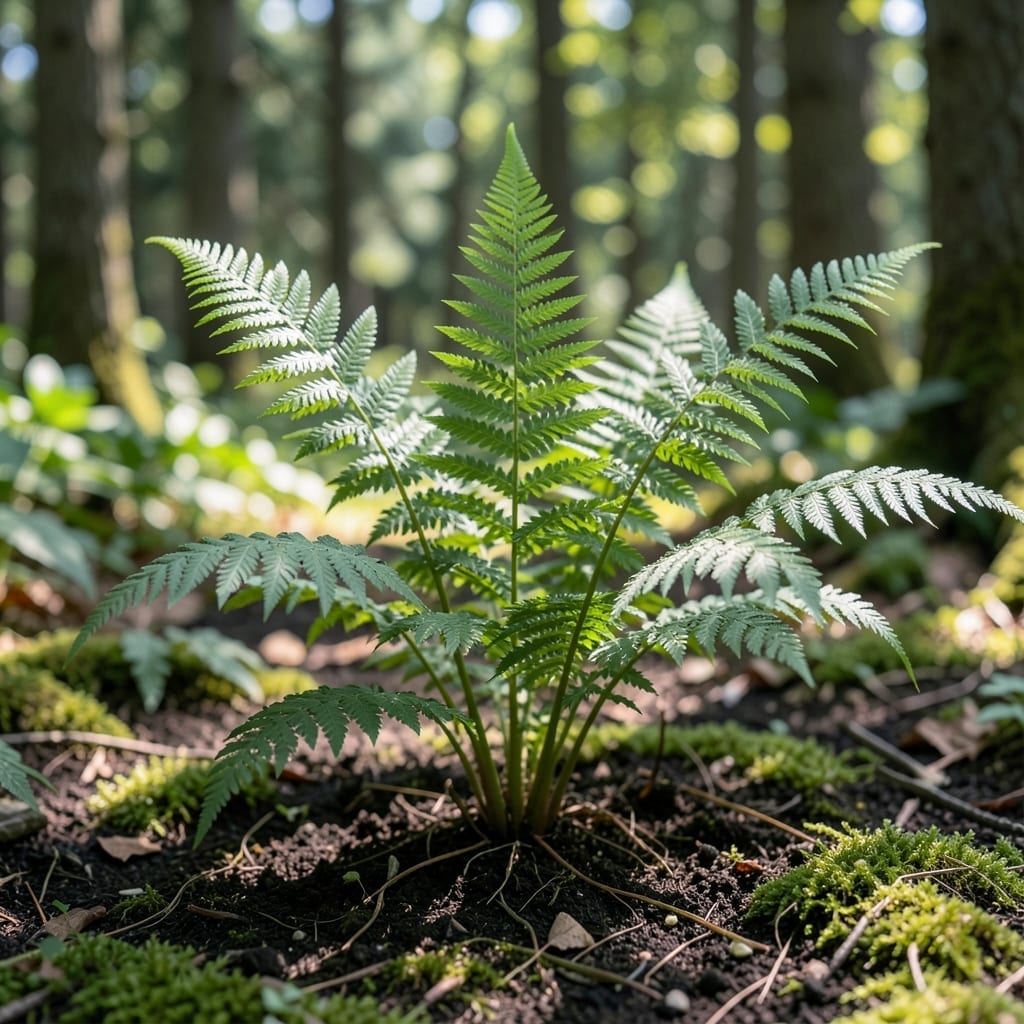
Ever notice how some 🌿 ferns flourish in shady corners while others seem to beg for sunlight? The truth is, getting the light right can make or break your fern’s health.
I’ve seen too many gardeners struggle with wilted fronds simply because they misunderstood this most important factor. It’s not just about shade versus sun—it’s about finding that perfect balance.
Discover how to give your ferns exactly what they need to grow lush and vibrant, no matter your garden’s conditions.
 Best Window Placement
Most ferns thrive in partial to full shade, but some varieties can handle more sun. I’ve found that maidenhair ferns and Boston ferns prefer shady, moist environments, while others like holly ferns tolerate dappled sunlight. 🌿
The key is understanding that ferns are forest plants by nature. In their natural habitat, they grow under canopies with filtered light and consistent moisture. Replicating this in your garden ensures success.
| Fern Variety | Light Requirement | Notes |
|---|---|---|
| Maidenhair Fern | Full Shade | Needs high humidity |
| Boston Fern | Partial Shade | Great for hanging baskets |
| Holly Fern | Partial to Full Sun | Drought-tolerant |
| Cinnamon Fern | Partial Shade | Loves moist soil |
For shade-loving ferns, I recommend planting them under trees or on the north side of buildings. These spots provide the gentle, indirect light they crave without the harshness of direct sun.
Sun-tolerant ferns like the holly fern can handle morning sun but may struggle in the afternoon. I’ve seen these do well in eastern-facing gardens where they get sunlight early in the day.
If you’re unsure, start with partial shade and monitor your ferns. Yellowing fronds often signal too much sun, while leggy growth can mean they need more light. Adjust accordingly.
Another tip: soil moisture plays a huge role. Ferns in sunnier spots will need more frequent watering to prevent their soil from drying out. I always check the top inch of soil before watering.
For indoor ferns, a north-facing window is ideal. If that’s not an option, an east-facing window works too, but keep them away from harsh midday rays. 🪴
Don’t forget that humidity matters, especially for tropical varieties. I use a pebble tray with water under my potted ferns to maintain moisture levels in drier climates.
In the end, the best approach is to observe your ferns. They’ll tell you if they’re happy or struggling with their light conditions. With a little patience, you’ll find the perfect spot for them to thrive. 🌱
Creating the perfect light environment for your ferns doesn’t have to be complicated. I’ve found that small adjustments can make a big difference in their growth and vitality. 🌿
Start by observing your garden’s natural light patterns. Note which areas get full sun, partial shade, or deep shade throughout the day.
For outdoor ferns, I recommend using 30-50% shade cloth if they’re in an area that gets intense afternoon sun. This mimics the dappled light of their natural forest habitat.
Companion planting works wonders too. Try placing your ferns near taller perennials or shrubs that can provide gentle overhead shade during the hottest part of the day.
With container ferns, you have the advantage of mobility. I move my potted ferns to shadier spots during summer and sunnier areas in winter when light is scarce.
For indoor ferns, quarterly rotation ensures all sides get equal light. I also recommend sheer curtains to diffuse harsh sunlight from south or west-facing windows. 🪴