
Beautiful Plants For Your Interior
Beautiful Plants For Your Interior
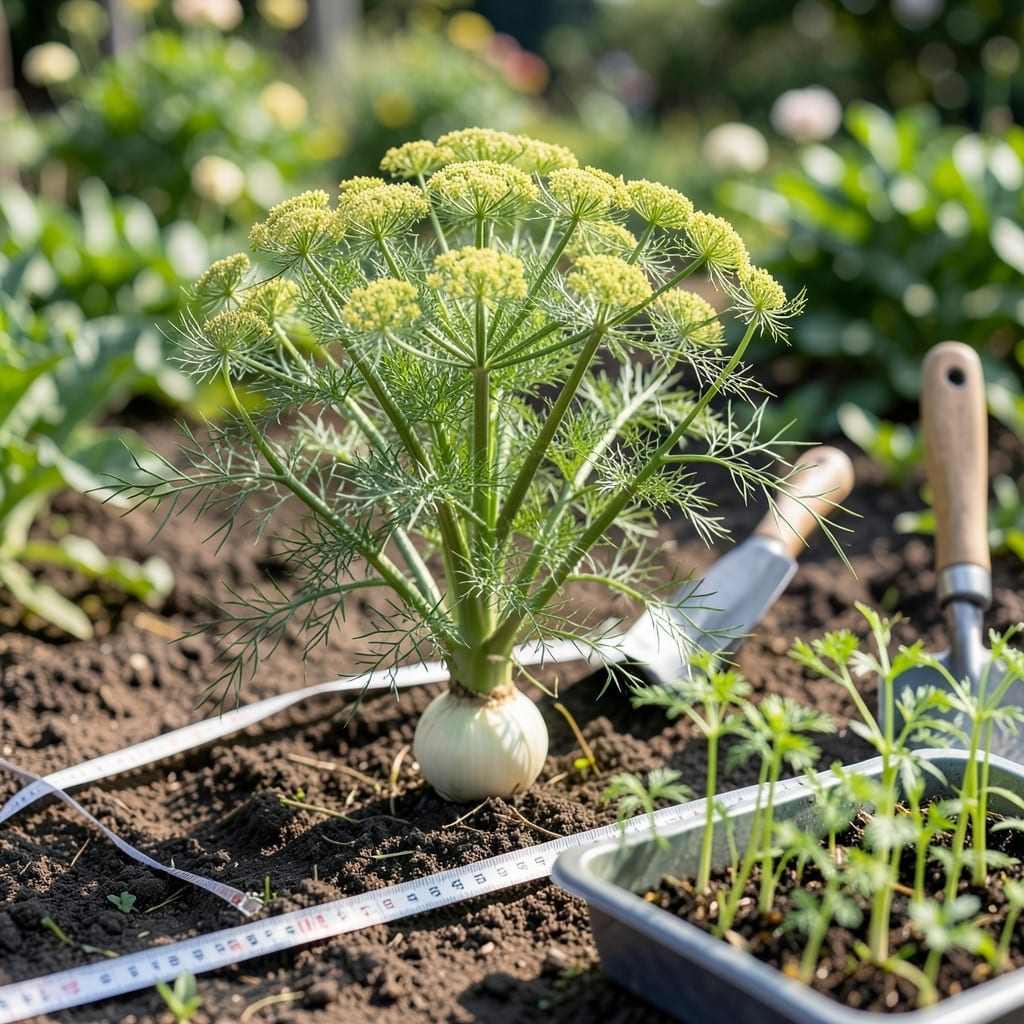
Proper fennel plant spacing is the secret to lush, healthy growth and a bountiful harvest. Crowded 🌿 Fennel plants compete for resources, leading to stunted growth and poor yields.
I’ve seen firsthand how the right spacing transforms a struggling garden into a thriving one. Whether you’re planting in rows or clusters, giving each Fennel plant room to breathe makes all the difference.
In this guide, I’ll break down the exact distances you need for optimal growth. You’ll discover how to adjust spacing based on your garden’s layout and conditions.
Learn how to maximize your Fennel yield with these simple but powerful spacing strategies. Let’s get started.
Getting fennel plant spacing right is crucial for healthy growth and maximum yield. Different fennel varieties have unique needs, and crowding can stunt their development.
For bulb fennel, I recommend 12-18 inches between plants. This gives the swelling bulbs room to expand without competition.
| Variety | Plant Spacing | Row Spacing |
|---|---|---|
| Bulb Fennel | 12-18 inches | 24-30 inches |
| Herb Fennel | 18-24 inches | 30-36 inches |
| Bronze Fennel | 24-36 inches | 36-48 inches |
For herb fennel, which is grown primarily for its feathery foliage, I space plants 18-24 inches apart. This allows for good air circulation and reduces disease risk.
Bronze fennel is the largest variety, so I give it 24-36 inches between plants. Its tall stature and bushy growth need extra room to thrive.
At the seedling stage, I start with 6-8 inches between young plants. As they grow, I thin them to their final spacing to prevent overcrowding.
For row spacing, I maintain 24-30 inches for bulb fennel and 30-36 inches for herb fennel. This ensures I can easily access plants for weeding and harvesting.
In raised beds, I can reduce spacing slightly because the soil is loose and nutrient-rich. But I never go below 10 inches between plants.
Companion planting also affects spacing. I keep fennel away from beans but plant it near dill or lettuce with adjusted spacing to accommodate both.
Remember, soil fertility and climate conditions can influence spacing. In poor soil, I give plants extra room to compete for nutrients.
With these spacing guidelines, your fennel will grow strong and healthy with ample space to reach its full potential 🌿
I’ve seen many gardeners struggle with overcrowded fennel and wonder why their plants aren’t thriving. When fennel plants are spaced too closely, they compete for sunlight, water, and nutrients, which stunts their growth.
This lack of air circulation also creates a perfect environment for fungal diseases like powdery mildew. Additionally, bulb fennel won’t form properly if roots are cramped, leading to small, misshapen harvests.
⚠️ Spacing Too Tight?
Overcrowded fennel leads to disease, poor bulbs, and weak growth. Thin seedlings to 12-18 inches apart for healthy plants.
To fix overcrowding, I recommend thinning seedlings early when they’re about 2-3 inches tall. Gently pull weaker plants, leaving the strongest to mature with proper space.
If you’re dealing with an established patch, carefully transplant excess plants to another area. This gives remaining fennel room to develop full bulbs and strong stems.
For container gardens, ensure each fennel has at least a 12-inch diameter pot. Shallow or small containers restrict root growth, which is just as damaging as tight in-ground spacing.
Remember, good spacing isn’t just about distance—it’s about giving each plant access to the resources it needs to thrive. A little extra room now means bigger harvests and healthier plants later. 🌿