
Beautiful Plants For Your Interior
Beautiful Plants For Your Interior
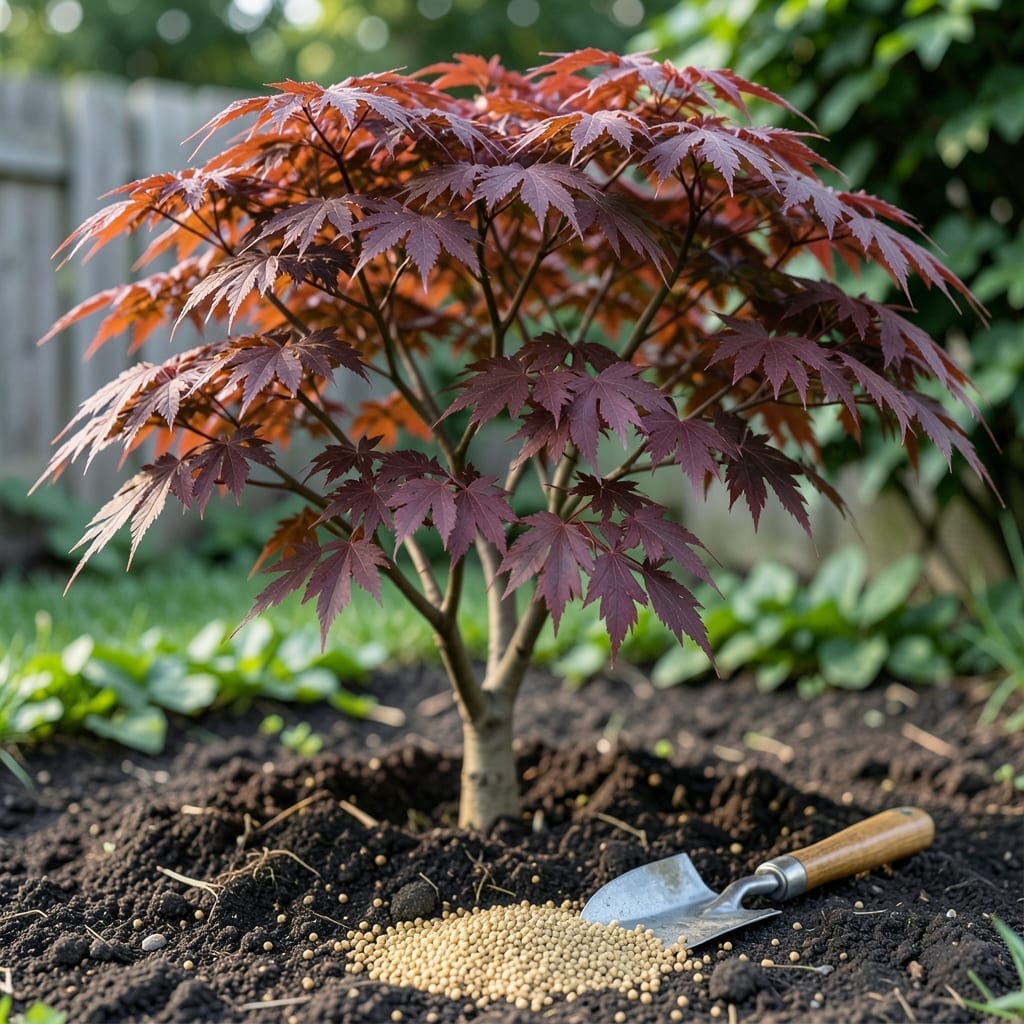
Japanese maples 🌿 are prized for their stunning foliage, but without proper feeding, their vibrant colors can fade. I’ve seen too many gardeners struggle with dull leaves when a few simple steps could make all the difference.
Feeding your Japanese Maple the right way ensures it thrives with more vibrant colors and stronger growth. The good news? It’s easier than you might think, even for beginners.
I’ll walk you through the best fertilizers, timing, and techniques tailored for zones 5-8. No guesswork—just clear, actionable advice to keep your tree healthy.
Discover how small adjustments in feeding can lead to bigger, more beautiful results in your garden this season.
Choosing the right fertilizer for your Japanese maple can feel overwhelming. I’ve tested dozens of options, and the best ones always balance nitrogen, phosphorus, and potassium for vibrant growth.
A 10-10-10 NPK ratio works wonders for most varieties, but organic options like compost or fish emulsion can provide gentler nutrition for sensitive trees.
I always recommend slow-release fertilizers for Japanese maples because they provide steady nutrition without the risk of burning roots. These work especially well in zones 5-8.
Organic fertilizers like compost improve soil structure while feeding. I add a 2-inch layer around the base every spring for a natural boost.
Fish emulsion is my go-to for a quick fix when leaves look pale. It’s fast-acting but should be used sparingly to avoid overfeeding.
For acid-loving Japanese maples, I use a specialized 4-8-5 formula. This helps maintain the ideal pH for those stunning red and purple varieties.
Timing matters just as much as the type. I feed my maples every 6-8 weeks during the growing season, starting in early spring as new growth appears.
Avoid fertilizing in winter or during dormancy. The tree won’t absorb the nutrients, and you risk wasting product or harming the roots.
Remember, less is more with Japanese maples. I use 1 tbsp per foot of tree height, which prevents over-fertilization while still promoting healthy growth.
With the right fertilizer and schedule, your Japanese maple will reward you with brighter colors and stronger branches all season long.
Feeding your Japanese maple correctly starts with timing. I always aim for early spring or early fall when the tree is actively growing but not stressed by heat.
Before applying fertilizer, I test my soil pH to ensure it’s between 5.5-6.5. This range helps the tree absorb nutrients efficiently and prevents deficiencies.
I use a balanced slow-release fertilizer with an NPK ratio of 10-10-10. This provides steady nutrients without overwhelming the tree’s delicate root system.
For application, I measure 1 tbsp per foot of tree height and spread it evenly around the drip line. This area is where the tree’s roots are most active.
After feeding, I always water deeply to help dissolve the fertilizer and carry nutrients to the roots. This step prevents burn and ensures even distribution.
Finally, I avoid feeding during summer heat or winter dormancy. Stressful conditions can make the tree more susceptible to fertilizer damage. ☀️
With these steps, your Japanese maple will reward you with vibrant foliage and strong growth year after year. 🌿