
Beautiful Plants For Your Interior
Beautiful Plants For Your Interior
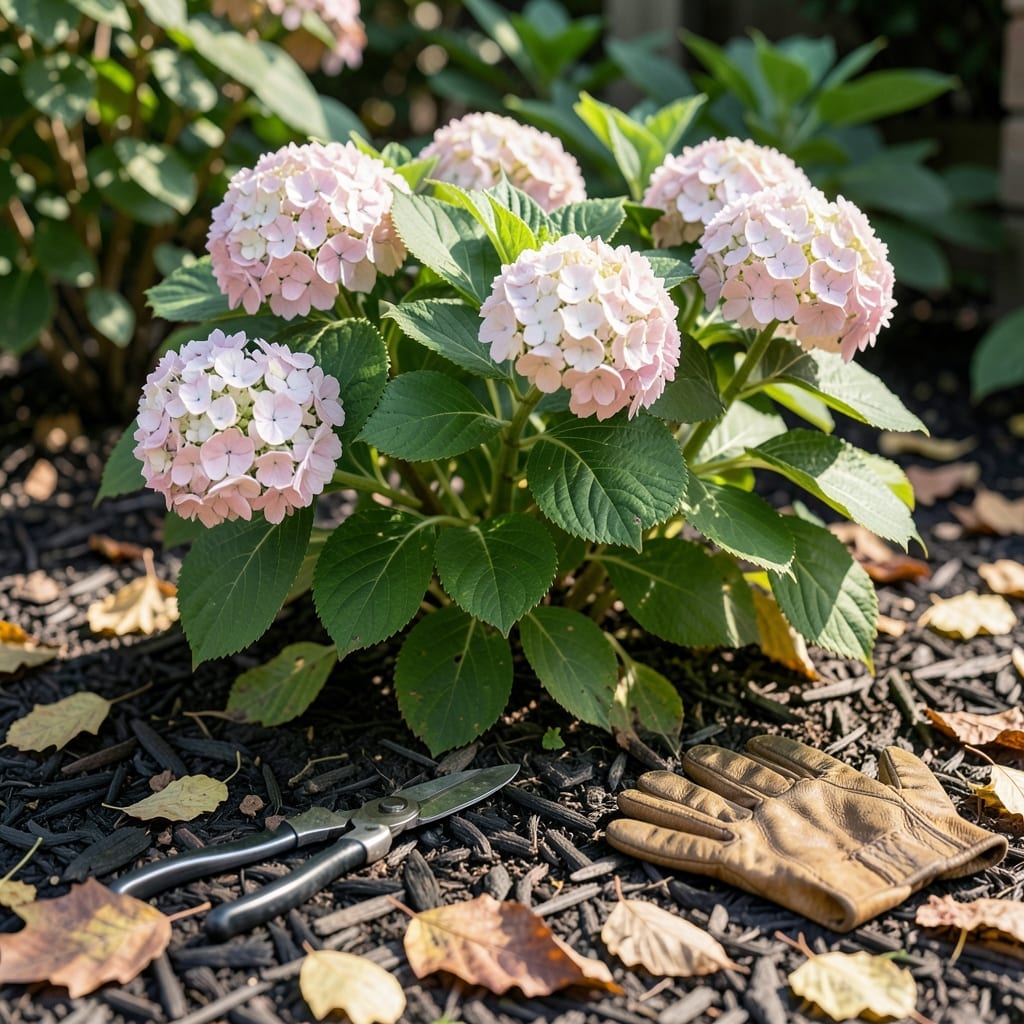
As summer fades, your 🌸 Hydrangea needs special attention to thrive next year. I’ve learned that proper fall care makes all the difference for bigger, brighter blooms.
This is the time to prep your shrubs for winter and set the stage for next season’s success. A few simple steps now can prevent common issues later.
Discover how to treat your Hydrangea this fall so it comes back stronger. Let’s get started on the right foot.
As the growing season winds down, your hydrangeas need proper fall care to ensure vibrant blooms next year. I’ve found that timing is everything when it comes to pruning and prepping these shrubs. 🌸
Start by removing spent blooms to redirect energy to root and bud development. This simple step prevents seed production and encourages stronger growth for the next season.
For bigleaf hydrangeas, resist the urge to prune in fall. These varieties form next year’s buds on old wood, so cutting now could remove potential blooms. Instead, focus on removing dead or damaged stems. 🌿
Panicle hydrangeas are more forgiving. You can lightly prune these in fall to shape the plant, as they bloom on new wood. Just avoid heavy cuts until late winter or early spring.
Mulching is a game-changer for hydrangeas. I recommend a 2-3 inch layer of organic mulch like shredded bark or compost. This insulates the roots and retains moisture during the colder months.
Before the first hard frost, give your hydrangeas a deep watering. This ensures the roots are well-hydrated going into winter, which helps prevent drought stress and supports overall health. 💧
If you live in a cold climate, consider wrapping your hydrangeas in burlap or frost cloth for extra protection. This is especially important for young plants or those in exposed locations.
Remember, fall is not the time to fertilize hydrangeas. Fertilizing now can stimulate new growth that won’t have time to harden off before winter, making it vulnerable to frost damage. ✂️
Finally, take a moment to inspect your plants for any signs of pests or diseases. Addressing these issues in fall can prevent bigger problems next spring and keep your hydrangeas thriving.
Not all hydrangeas are created equal when it comes to fall treatment. I’ve learned that each variety has specific needs to thrive through winter and bloom beautifully next year. 🌸
Understanding your hydrangea type is the first step to proper fall care. This knowledge helps you avoid common mistakes that could cost you next season’s blooms.
| Variety | Fall Pruning | Winter Protection |
|---|---|---|
| Bigleaf | Avoid pruning | Mulch heavily |
| Panicle | Light pruning okay | Mulch, optional wrap |
| Oakleaf | Minimal pruning | Mulch for insulation |
| Smooth | Cut back to ground | Mulch after pruning |
Bigleaf hydrangeas are the most sensitive to fall pruning. Since they bloom on old wood, cutting them back now removes next year’s flower buds. Instead, I remove only dead wood and save major pruning for after blooming.
Panicle hydrangeas are more flexible. They bloom on new wood, so you can safely do light shaping in fall. I still avoid heavy pruning until late winter to prevent cold damage to fresh cuts.
For oakleaf varieties, minimal pruning is best. These hardy shrubs mostly need dead wood removal and a thick mulch layer for root protection. Their exfoliating bark adds winter interest too! 🌿
Smooth hydrangeas are the exception. These can be cut back to the ground in fall, as they bloom on new growth. Just be sure to mulch well after pruning to protect the crown.