
Beautiful Plants For Your Interior
Beautiful Plants For Your Interior
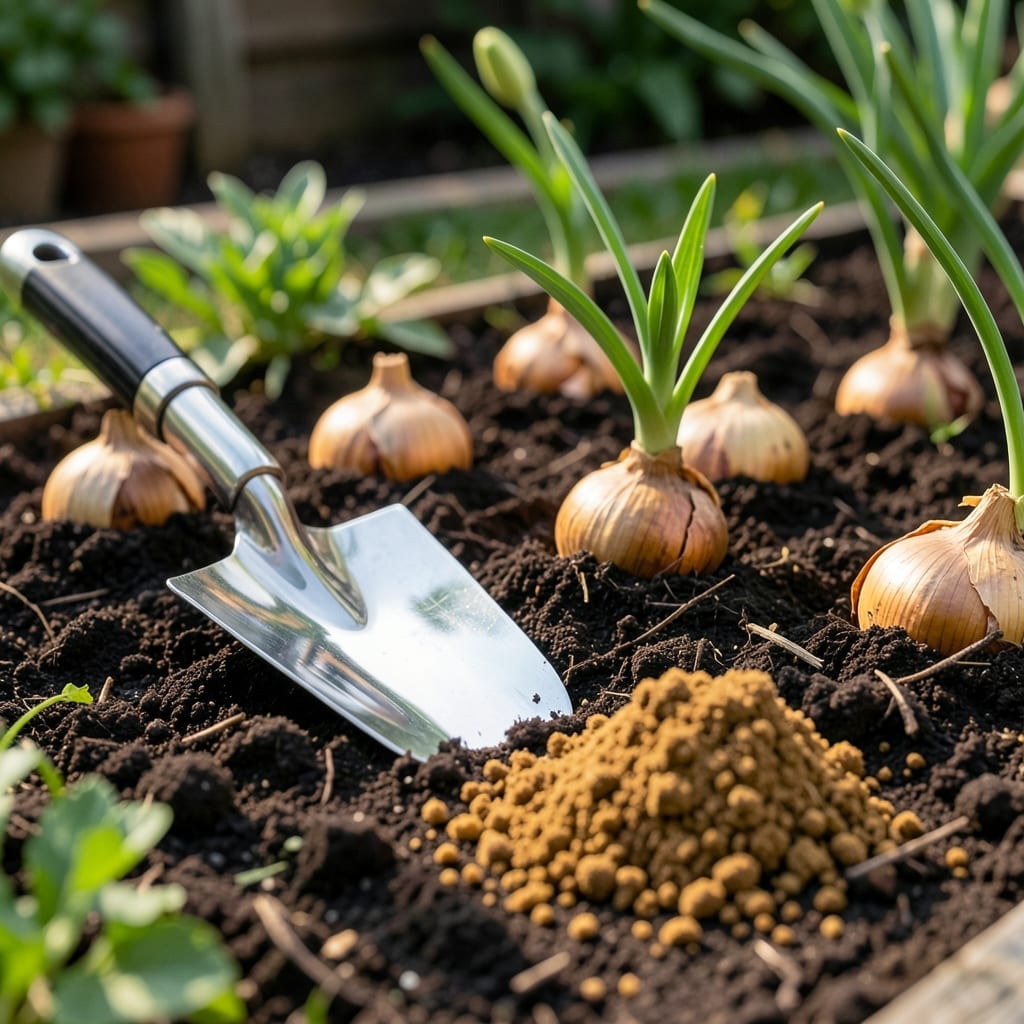
Imagine stepping into a garden bursting with vibrant 🌷 lilies next spring – all because you planted those bulbs in the fall. The timing is everything when it comes to these stunning flowers.
Fall planting gives lily bulbs the perfect window to establish roots before winter hits. In zone 6, that means getting them in the ground between September and October.
Discover how this simple seasonal strategy sets the stage for a breathtaking floral display. Let’s dig into the secrets of fall bulb planting success.
I always recommend planting lily bulbs in fall because it gives them a head start. The cooler soil helps bulbs establish strong roots before winter dormancy kicks in.
This root development means your lilies will sprout earlier and bloom more vigorously when spring arrives. It’s nature’s way of ensuring a spectacular floral display.
Root Growth: Bulbs establish roots before winter
Early Start: Spring growth begins sooner
Stronger Blooms: More energy stored for flowers
Ideal Timing: 4-6 weeks before ground freezes
The ideal planting window is typically September through October in most zones. This timing allows bulbs to settle in while the soil is still warm enough for root growth.
Fall planting also means your lilies will become cold-hardy, which is crucial for surviving winter. The bulbs naturally adapt to the cooling temperatures, building resilience.
I’ve found that soil temperature is key – aim for 60°F or below at planting depth. This prevents premature sprouting while encouraging root development.
Another advantage is reduced pest pressure. Many bulb-eating pests are less active in fall, giving your lilies a better chance to establish undisturbed.
The bulbs essentially hibernate through winter, storing energy for their spring debut. This natural cycle results in stronger, healthier plants with more abundant blooms.
For best results, I suggest planting 6 inches deep in well-draining soil. This depth provides insulation against temperature swings while allowing proper root development.
Remember, fall planting mimics how lilies grow in nature. In the wild, bulbs often go through a winter rest period, which actually enhances their spring performance. 🌷
I always start by selecting the perfect planting spot with full sun and well-draining soil. Lilies thrive in locations that get at least 6 hours of direct sunlight daily.
Before planting, I loosen the soil to 12 inches deep and mix in compost for better drainage. This preparation helps bulbs establish quickly and prevents waterlogging.
When planting, I place each bulb 6 inches deep with the pointed end facing up. This depth provides protection from temperature swings while allowing roots to spread.
Spacing is crucial – I recommend 8-12 inches between bulbs. This gives each plant enough room to grow while creating a stunning grouping effect when they bloom.
After planting, I give the area a deep watering to settle the soil and help roots begin establishing. This first watering is critical for fall-planted bulbs.
Finally, I add a 2-3 inch mulch layer to insulate the soil and retain moisture. This extra protection helps bulbs through winter and into spring. 🌷