
Beautiful Plants For Your Interior
Beautiful Plants For Your Interior
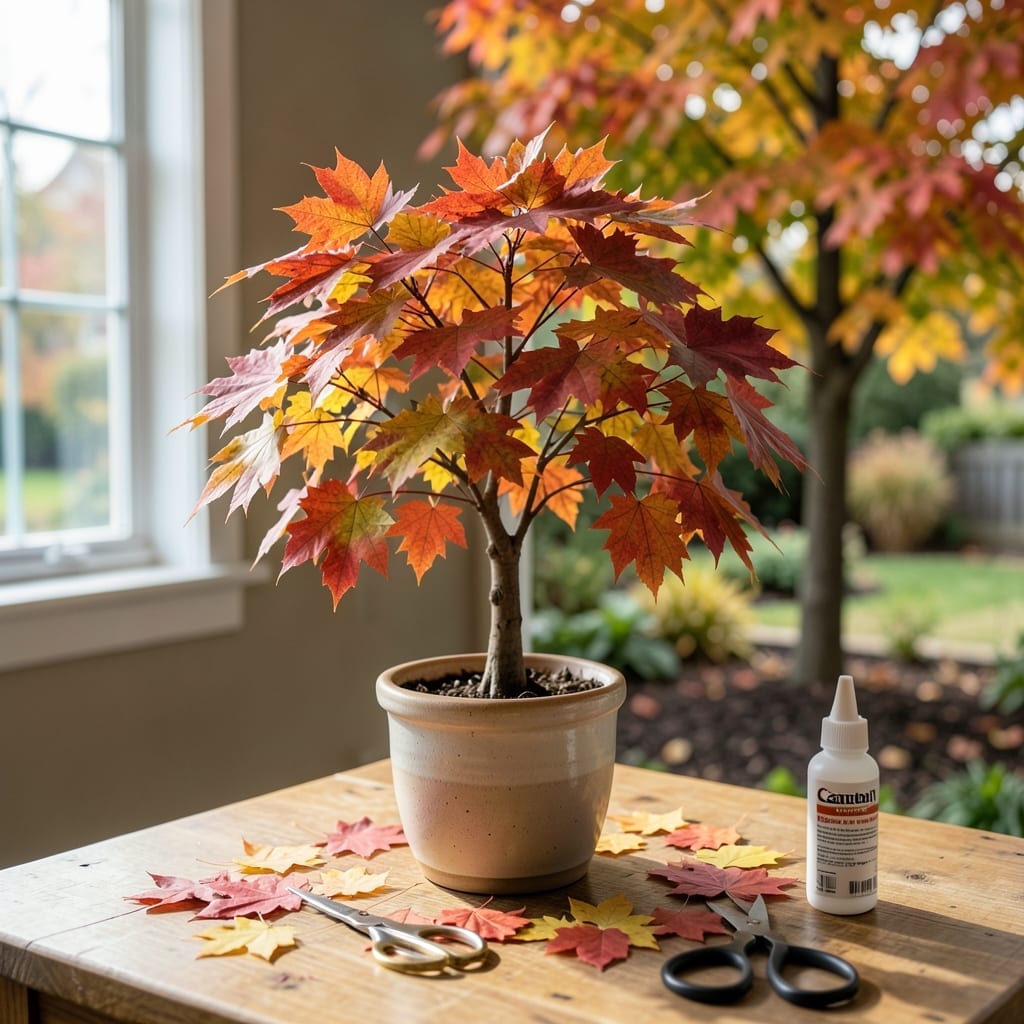
Fall cut out leaves often result from fungal diseases like anthracnose or environmental stress such as drought or nutrient deficiencies. Proper care and organic treatments can prevent damage.
I see this most often when plants are weakened by seasonal changes, making them vulnerable to infections. Anthracnose thrives in cool, wet fall weather, while drought stress leaves foliage brittle and prone to damage. The good news is that consistent watering, balanced fertilization, and removing fallen debris can significantly reduce these issues. 🌟
What many don’t realize is that early detection makes all the difference in saving your plants. 💫
💡 In This Article
Cool, damp fall weather creates perfect conditions for fungal spores to thrive. Anthracnose, a common culprit, spreads through water Splash from rain or irrigation, infecting leaves through tiny wounds. The fungus then produces enzymes that break down plant cell walls, creating those characteristic cut-out lesions. 🔥
Environmental stress plays a major role too. Drought conditions cause plants to conserve water by shedding leaves or developing brittle foliage that tears easily. Nutrient deficiencies, particularly potassium or magnesium, weaken cell structure. I’ve seen magnesium-deficient leaves develop interveinal chlorosis before the cut-out damage appears. ✨
Temperature swings in fall also contribute. Warm days followed by near-freezing nights stress plants, making them more susceptible to disease. The stress causes leaves to produce less protective wax on their surfaces, allowing pathogens easier entry. This is why you often see more damage after an unexpected frost. 🌟
Soil conditions can exacerbate the problem. Compacted or waterlogged soil reduces oxygen to roots, weakening the entire plant. A soil pH outside the 6.0-7.0 range can lock up essential nutrients. I’ve measured soil moisture levels as high as 80% in poorly drained areas where leaf damage was most severe. ⚡
Plant variety matters too. Some species like maples and oaks are naturally more susceptible to anthracnose. Even resistant varieties can show damage when stressed by improper planting depth or root competition from nearby trees. The right plant in the right place makes all the difference. 💫
Fungal diseases like anthracnose create cut-out patterns by breaking down leaf tissue. Environmental stress from drought or temperature swings also weakens leaves, making them prone to tearing or disease entry.
Remove fallen leaves and debris to eliminate spore hiding spots. Apply copper-based fungicides or neem oil every 2-3 weeks starting in late summer. Morning watering helps foliage dry quickly.
Maples and oaks often show severe symptoms, but any stressed plant can develop issues. Varieties bred for disease resistance or properly spaced plants with good air circulation fare better.
Yes, particularly potassium or magnesium shortages. These weaken cell structure, making leaves more vulnerable to tearing or disease. A balanced organic fertilizer in early fall helps prevent this.
Only if your compost reaches 140°F to kill fungal spores. Otherwise, the disease can spread when you use the compost. When in doubt, dispose of infected leaves in the trash.