
Beautiful Plants For Your Interior
Beautiful Plants For Your Interior
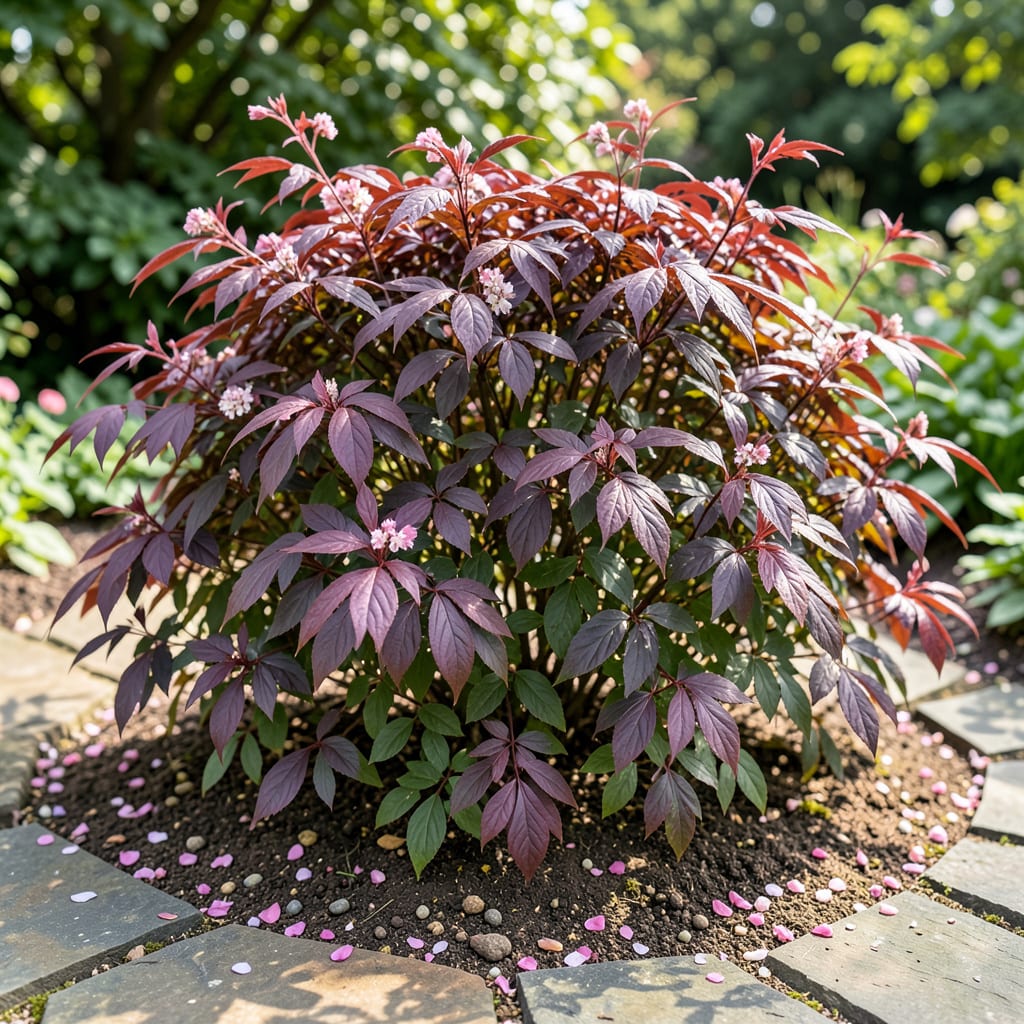
Purple-leaf evergreens bring year-round drama to any landscape. I planted my first one three seasons ago and still catch myself staring at how those deep violet leaves contrast against the snow.
These shrubs need well-draining soil and partial to full sun to keep their color vibrant. Once established, they’re drought-tolerant and require minimal pruning, making them a low-maintenance showstopper.
📚 In This Guide
Transform your landscape with these striking plants that deliver color in every season.
Select a purple-leaf evergreen shrub suited to your climate, such as Loropetalum or Purple Smoke Bush. These thrive in USDA zones 7-9 and prefer locations with full sun to partial shade. I always test soil drainage first by digging a 12-inch deep hole and filling it with water—if it drains within 1 hour, the site is ideal.
Consider mature size when positioning your shrub. Most purple-leaf varieties reach 6-8 feet tall with a similar spread. Plant near foundations or as a hedge, but allow enough space for air circulation. This prevents fungal issues that can dull the vibrant foliage color.
Dig a hole twice as wide as the root ball but no deeper. The extra width encourages roots to spread outward quickly. I mix the excavated soil with 30% compost to improve fertility and drainage. For clay-heavy soil, add 2-3 inches of coarse sand to the planting mix.
Check the hole’s depth by placing the shrub inside—the top of the root ball should sit 1 inch above the surrounding soil level. This prevents settling that can bury the stem too deeply. Remove the plant from its container and gently loosen any circling roots before planting.
Place the shrub in the hole and backfill with your amended soil, tamping lightly as you go to eliminate air pockets. Water thoroughly after planting, using 5 gallons for a 3-gallon container sized shrub. The water should soak in within 10-15 minutes—if it pools longer, your drainage needs improvement.
Apply a 2-inch layer of organic mulch around the base, keeping it 3 inches away from the trunk to prevent rot. I use shredded bark as it breaks down slowly while retaining moisture. Monitor soil moisture for the first 4-6 weeks, keeping it consistently damp but not soggy.
Fertilize in early spring with a balanced, slow-release shrub fertilizer following package instructions. Purple-leaf shrubs often develop the deepest color in full sun, though afternoon shade in hot climates prevents leaf scorch. Prune after flowering, removing no more than 20% of the foliage to maintain shape.
Watch for iron deficiency, which shows as yellowing between leaf veins. This is common in alkaline soils—treat with chelated iron if needed. Regular light pruning encourages dense growth and enhances the purple leaf display. These shrubs require minimal care once established, making them perfect for low-maintenance landscapes.
Small details make the difference between a shrub that struggles and one that thrives with vibrant color.
The Site Test: In Step 1, that 12-inch deep drainage test is non-negotiable. If water doesn’t drain within 1 hour, amend the soil or choose a different spot. Poor drainage is the fastest way to lose these plants, no matter how perfect everything else seems. Confession: I skipped this once and lost three Loropetalums in a single wet season.
Planting Depth: The 1 inch above soil level rule in Step 2 prevents stem rot and suffocation. I’ve seen too many gardeners bury the root ball flush with the ground, only to watch their shrubs decline within a year. Use a ruler if you need to—precision here saves you from heartbreak later.
Watering Wisdom: Those 5 gallons for a 3-gallon container in Step 3 aren’t arbitrary. Underwatering causes stress that dulls the purple foliage, while overwatering leads to root rot. The 10-15 minutes absorption time is your cue—if water pools longer, your soil needs more amendment, not more water.
Maintenance Timing: The 4-6 weeks of moisture monitoring after planting are critical for root establishment. After that, the 20% pruning limit in Step 4 ensures you don’t shock the plant. Pruning too heavily can reduce the very foliage that gives you that stunning purple display.
Popular choices include Purple Leaf Loropetalum, Smoke Bush (Cotinus), and Ninebark (Physocarpus). These thrive in full sun and offer year-round color. Ensure well-draining soil for best results.
Most are hardy but benefit from a layer of mulch to protect roots. Water deeply before the first frost, and prune only in late winter or early spring to avoid cold damage.
Yes! Dwarf varieties like Purple Diamond Loropetalum or Little Devil Ninebark work well in pots. Use a large container with drainage holes and keep soil consistently moist.
This often happens due to excess nitrogen or shade. Test soil and adjust fertilizer. Move the shrub to a sunnier spot to restore vibrant purple hues.
Consider Purple Leaf Barberry or Heuchera (Coral Bells). Both require minimal pruning and adapt well to various soils, offering striking foliage with less upkeep.
