
Beautiful Plants For Your Interior
Beautiful Plants For Your Interior
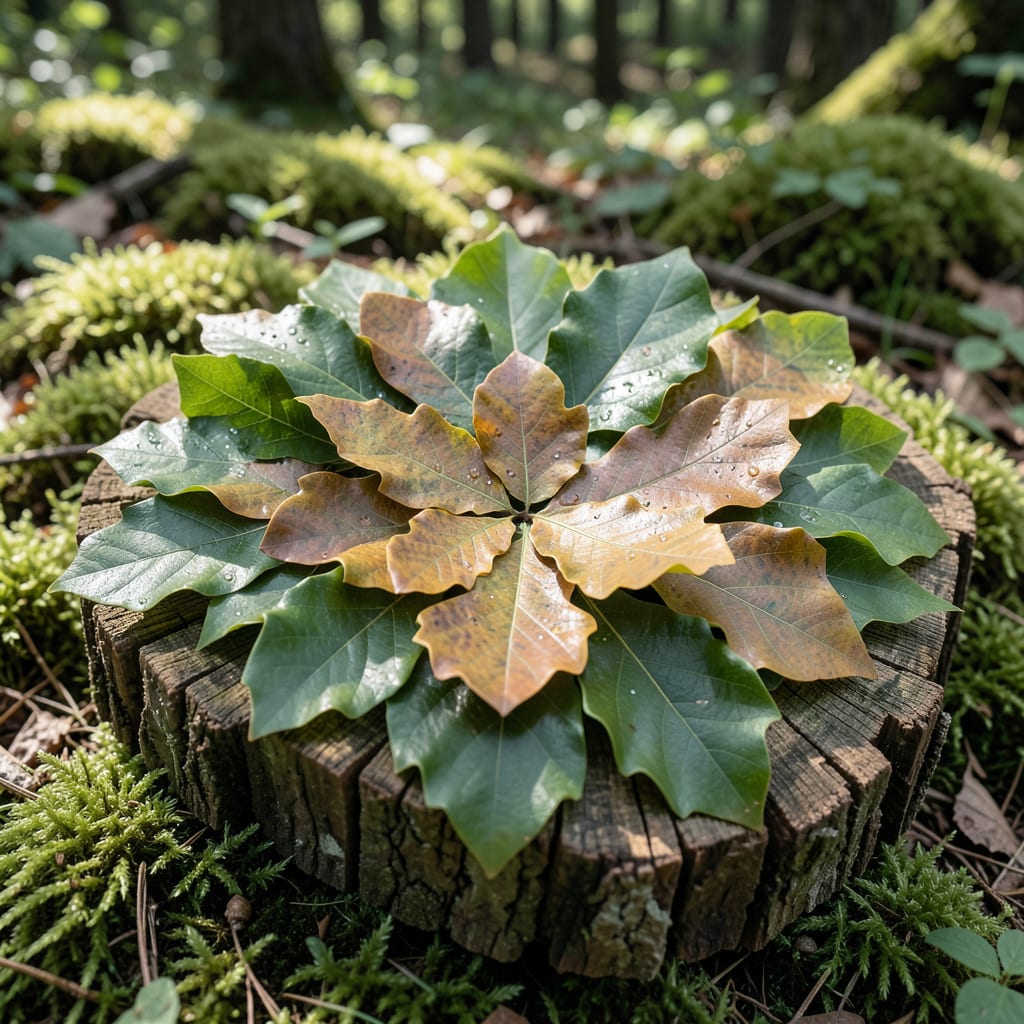
European beech leaves are my favorite indicator of seasonal change—smooth, wavy edges and that vibrant green that turns copper in fall.
Plant one in your yard and you get shade, beauty, and a tree that adapts to most soils with proper drainage. Within 5-7 years, it establishes into a stately centerpiece.
📚 In This Guide
Use these field-tested methods to recognize beech foliage through every stage of its seasonal transformation.
European beech leaves display a distinctive elliptical to oval shape with a slightly wavy margin that sets them apart from similar species. The edge isn’t deeply lobed like oak but has fine, rounded teeth that you can feel if you run your finger along the perimeter.
Look for a pointed tip and slightly asymmetrical base where the leaf attaches to the stem. The veins run parallel to each other, creating a ladder-like pattern between the midrib and leaf edge. This parallel venation is a key identifier that differentiates beech from most other deciduous trees.
Mature leaves typically measure 2-4 inches long and 1-2 inches wide, though size can vary based on the tree’s age and growing conditions. The texture is another giveaway: new leaves emerge with a silky, downy covering that feels almost velvety to the touch.
As the season progresses, this fine hair disappears, leaving a smooth, slightly leathery surface with a glossy upper side and paler underside. The leaf’s substance feels thicker than maple but thinner than magnolia – a tactile clue that’s surprisingly consistent across specimens.
Spring foliage emerges a bright, translucent green that’s almost lime-colored in full sun. By summer, the leaves deepen to a rich, dark green that appears nearly blue-green from a distance. This color shift is gradual but noticeable week to week if you’re observing the same tree.
The most dramatic transformation occurs in autumn when leaves turn copper, bronze, or golden tan. Unlike many trees that drop leaves abruptly, beech often retains its pale brown leaves through winter (marcescence), creating a distinctive rustling canopy even in dormant months.
The leaf stem (petiole) is short and stout, typically 1/4 to 1/2 inch long, with a slight groove on the upper surface. Where the petiole meets the branch, look for slender, pointed buds that are 3/4 inch long and alternate along the stem.
These buds are a secondary identifier when leaves aren’t present. Their cigar-shaped form and overlapping scales create a pattern that’s unique to beech. The buds angle slightly away from the stem rather than pressing flat against it, which helps distinguish them from similar-looking species like hornbeam.
Field identification gets easier with these practical observations from years of tree study.
The Shape Detail: In Step 1, focus on that elliptical to oval outline with its slightly wavy margin. The fine, rounded teeth are subtle but unmistakable when you run your fingertip along the edge. Many beginners miss these because they’re expecting deeper lobes like oak leaves have.
Texture Evolution: Step 2 reveals how the silky, downy covering on new leaves transforms to a glossy, leathery surface. This change happens rapidly in spring, often within weeks. The thickness comparison to maple and magnolia leaves is particularly useful when you’re learning to identify trees by touch.
Seasonal Color Timeline: The color progression from bright lime green in spring to rich dark green in summer is gradual but noticeable if you observe the same tree weekly. That autumn transformation to copper, bronze, or golden tan is most distinctive, and the marcescence—where pale brown leaves persist through winter—is a dead giveaway even from a distance.
Stem and Bud Clues: For Step 4, remember that the petiole’s 1/4 to 1/2 inch length and the 3/4 inch cigar-shaped buds are consistent identifiers. The slight angle of the buds away from the stem is particularly telling when comparing to similar species like hornbeam.
European beech leaves turn brown due to chlorophyll breakdown as daylight shortens, revealing hidden pigments like tannins. This natural process prepares the tree for winter dormancy.
Look for smooth, oval leaves with wavy edges and fine hairs. They’re bright green in summer, turning copper or gold in fall, and grow alternately on branches.
New leaves typically appear in late April or early May, unfurling as soft, light green foliage. Timing varies slightly based on climate and location.
Young leaves are non-toxic and can be eaten in small quantities, often used in salads. However, mature leaves may taste bitter or cause mild stomach upset.
Curling or spots often signal pests (like aphids) or fungal diseases (e.g., leaf blotch). Check for insects, improve air circulation, and remove affected leaves promptly.
