
Beautiful Plants For Your Interior
Beautiful Plants For Your Interior
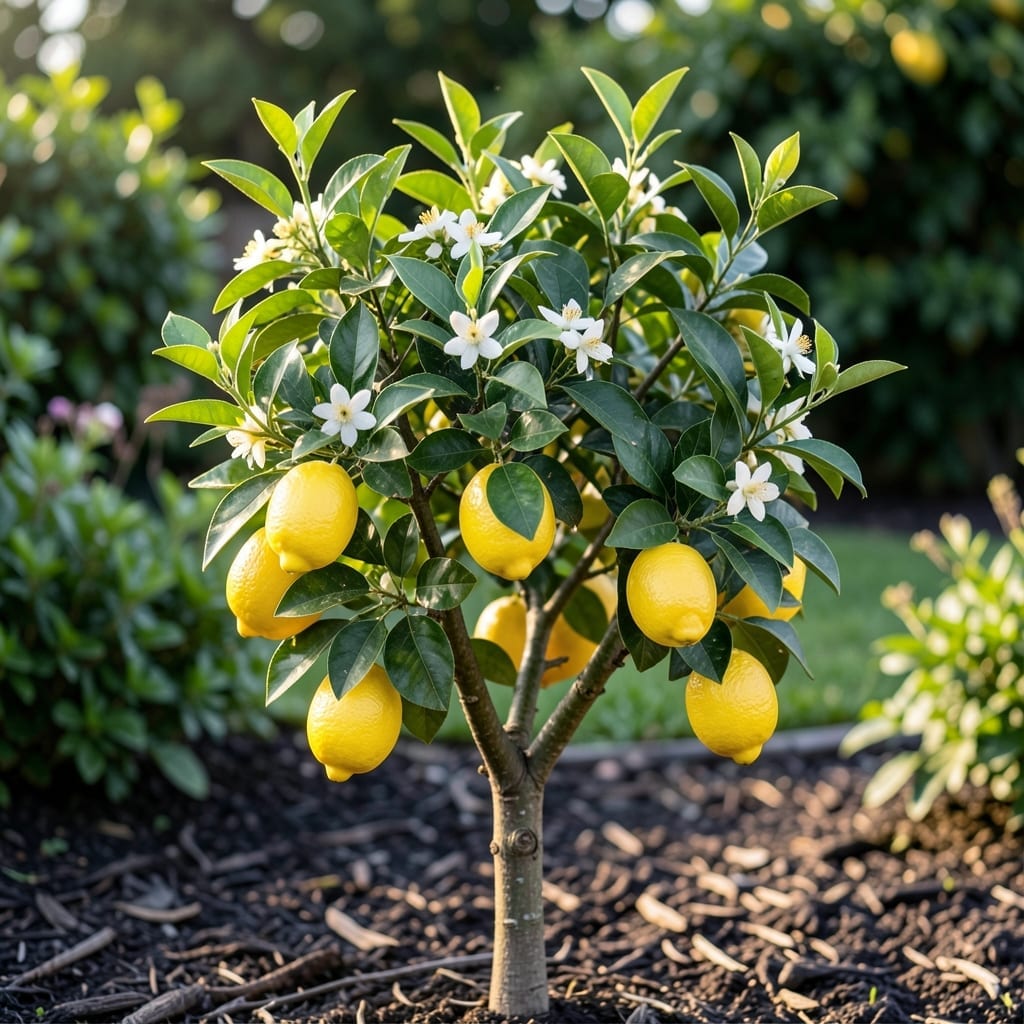
Picture this: a lush, fruit-laden 🍋 Eureka Lemon Tree gracing your backyard. It’s a gardener’s dream, but many are caught off guard by just how tall these beauties can grow.
Understanding the mature height of your Eureka Lemon Tree is the key to proper planning. Without this knowledge, you might end up with a tree that outgrows its space.
I’ve seen firsthand how these trees can reach impressive heights, transforming small gardens into vibrant citrus havens. The good news? There are ways to manage and even control their growth.
Discover how tall your Eureka Lemon Tree can truly get and learn practical tips to keep it at the perfect size for your space and needs.

If you’re planting a Eureka lemon tree, expect it to reach 10-20 feet tall at maturity. This standard size makes it a substantial addition to any landscape, but its exact height depends on several factors.
In ideal conditions with full sun and well-draining soil, your Eureka can grow toward the taller end of that range. The spread typically matches the height, creating a rounded canopy that’s as wide as it is tall.
| Variety | Height Range | Spread |
|---|---|---|
| Standard | 15-20 ft | 10-15 ft |
| Semi-Dwarf | 12-15 ft | 8-12 ft |
| Dwarf | 8-12 ft | 6-10 ft |
The rootstock plays a huge role in final height. Dwarfing rootstocks can keep your tree smaller, while standard rootstocks allow for maximum growth. I’ve seen dwarf Eurekas stay under 10 feet with proper care.
Climate also affects growth. In USDA zones 9-11, these trees thrive year-round, reaching their full potential. In cooler areas, growth may be slower, resulting in a slightly smaller tree over time.
Pruning is your secret weapon for size control. Regular structural pruning in early years establishes a strong framework. Later, selective thinning keeps the canopy manageable while maintaining fruit production.
Don’t forget about container growing! When planted in large pots, Eureka lemons often stay smaller, typically maxing out around 8-12 feet. This is perfect for patios or small yards.
I always recommend considering your space constraints before planting. A 20-foot tree needs room to spread its branches without crowding structures or power lines. Measure your space carefully!
The growth rate is another factor. Young trees can add 2-3 feet per year under ideal conditions. You’ll see the most rapid growth in the first 5-7 years before it slows as the tree matures.
For the healthiest growth, ensure your tree gets 6-8 hours of direct sunlight daily. Consistent watering and balanced fertilizer will support steady, strong growth toward its mature height.
Remember, these are general guidelines. Your tree’s exact height may vary based on your specific growing conditions and care routine. 🌳
Growing a Eureka lemon tree in a limited space doesn’t mean sacrificing its beauty or fruit production. With the right techniques, you can manage its height effectively while keeping it healthy and productive.
One of the most effective methods is container growing. By planting your tree in a large pot (at least 20-25 gallons), you naturally restrict its root system, which in turn limits its overall height to about 8-12 feet.
Strategic pruning is another powerful tool. I recommend structural pruning in the first few years to establish a strong framework. Then, use selective thinning to open up the canopy and reduce overall height without harming fruit production.
For those with very small spaces, consider espalier training. This method involves training the tree to grow flat against a wall or fence, which can significantly reduce its footprint while still allowing for good fruit production.
Remember that rootstock selection at planting time can make a big difference. Dwarfing rootstocks are specifically bred to keep trees smaller, typically resulting in a mature height of 8-12 feet instead of the standard 15-20 feet.
Finally, be mindful of your watering and fertilizing routine. While these trees need consistent moisture, overdoing it can lead to excessive growth. I’ve found that balanced care – not too much, not too little – helps maintain a manageable size while keeping the tree healthy and productive. 🌿