
Beautiful Plants For Your Interior
Beautiful Plants For Your Interior
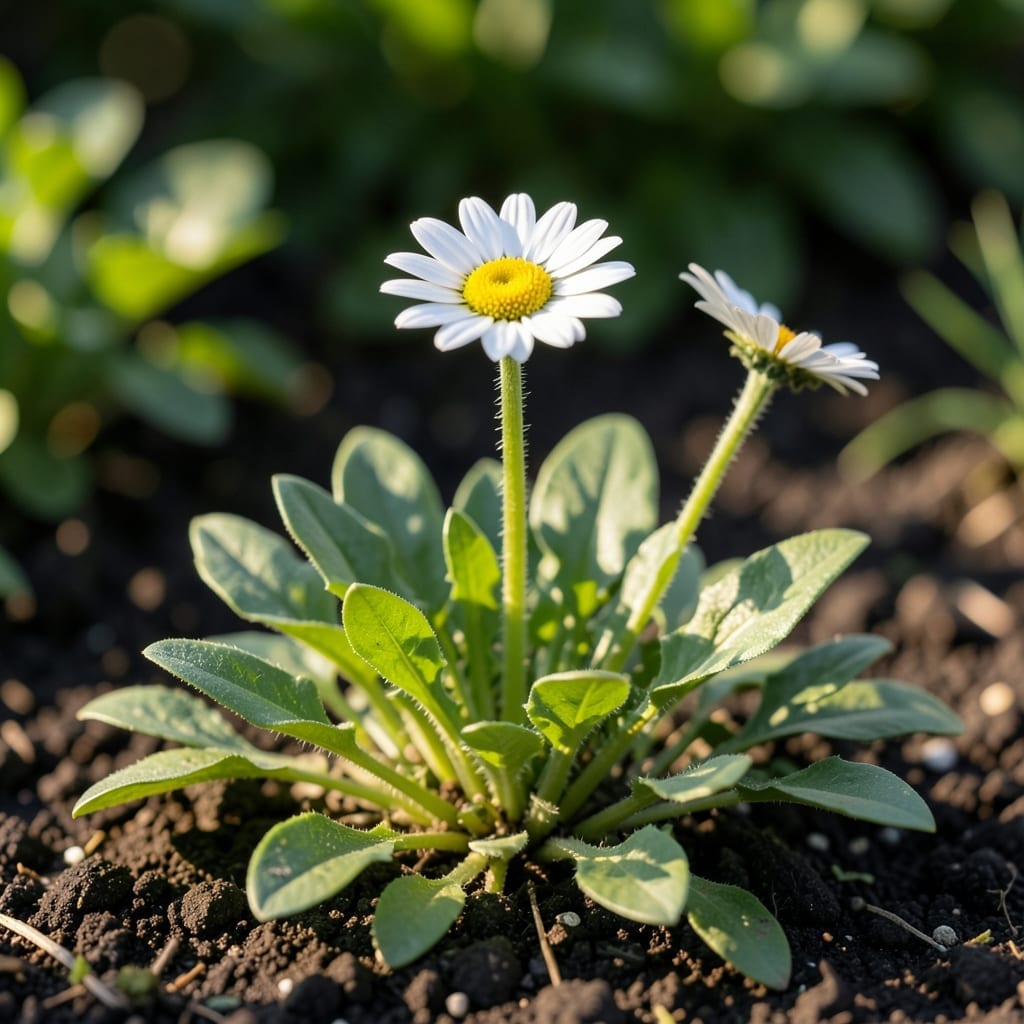
There’s something magical about watching English Daisy 🌼 petals unfurl in spring, transforming gardens into cheerful seas of white and yellow. As a gardener, timing is everything when you want to maximize their vibrant display.
These classic blooms don’t follow a one-size-fits-all schedule. Depending on your climate zone, you might see flowers as early as April or as late as June.
I’ve learned that understanding their natural rhythm is the key to getting the most from these charming plants. With the right care during their active period, you can extend their flowering well beyond the average season.
Discover how to work with nature’s timeline to keep your English Daisy blooms coming strong all season long.
The English daisy typically begins its blooming season in early spring, often as soon as March in warmer climates. These cheerful little flowers can continue to bloom through early summer, with peak flowering in April and May.
In cooler regions, the English daisy blooming season may start slightly later, around April, and extend into June. The exact timing depends on your USDA zone and local weather patterns.
| Blooming Stage | Timeframe | Climate Notes |
|---|---|---|
| Early Blooms | March | Warmer zones (7-8) |
| Peak Season | April-May | All zones (4-8) |
| Late Blooms | June | Cooler zones (4-6) |
I’ve found that English daisies thrive in USDA zones 4-8, where they enjoy moderate temperatures and well-draining soil. These conditions help maximize their blooming potential.
The blooming season can be extended with proper care. In my experience, deadheading spent blooms encourages the plant to produce more flowers, sometimes pushing the season into early July.
Climate factors play a huge role. In areas with mild winters, you might see early blooms in February. Conversely, in regions with late frosts, the season may start later.
English daisies prefer full sun to partial shade. I recommend planting them where they’ll get 4-6 hours of sunlight daily for the best flower production during their blooming season.
Soil moisture is another key factor. While these plants are drought-tolerant once established, consistent watering during dry spells helps maintain their blooming cycle.
In my garden, I’ve noticed that English daisies often re-bloom in fall if conditions are right. A light fertilizer application in early September can encourage this second flush.
For the longest blooming season, I suggest planting in well-prepared soil with good drainage. This helps prevent root rot while keeping the plants healthy and flowering.
Remember that local microclimates can affect your English daisy blooming season. Urban areas, for example, often experience earlier blooms due to the heat island effect ☀️
I love how the English daisy brightens up gardens with its cheerful blooms. To enjoy these white-and-yellow flowers longer, you’ll need to focus on consistent care and smart techniques.
With the right approach, you can stretch the blooming season well beyond its natural window. I’ve found that simple adjustments in care make a huge difference in flower production.
I always deadhead spent blooms first thing in the morning. This prevents the plant from putting energy into seed production and redirects it toward new flower growth instead.
A light application of balanced fertilizer in early spring and mid-summer keeps my English daisies thriving. Just
In my experience, afternoon shade is crucial in warmer zones. It keeps the flowers fresh longer and prevents premature wilting during heatwaves.
Finally, a 2-inch mulch layer works wonders. It maintains moisture, suppresses weeds, and keeps the soil cool—all essential for extending that beautiful blooming period 🌼