
Beautiful Plants For Your Interior
Beautiful Plants For Your Interior
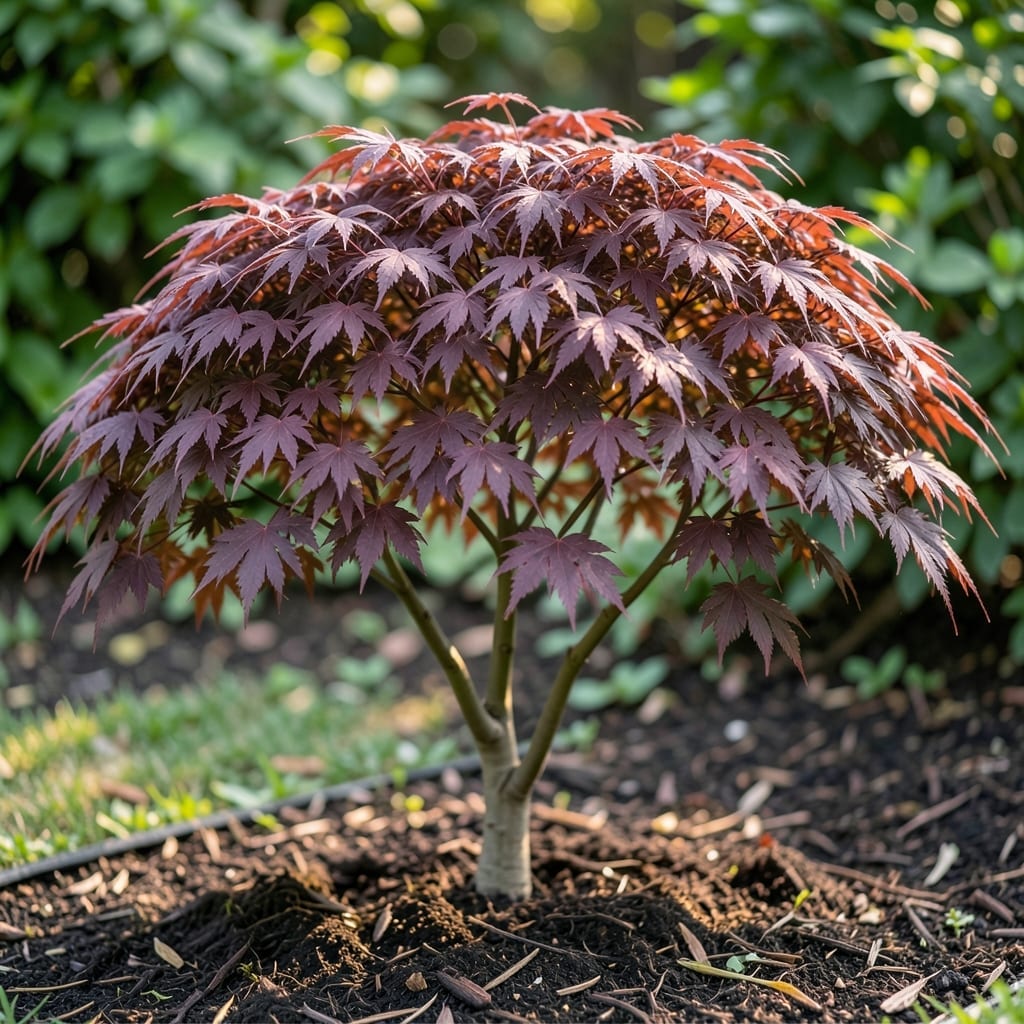
If you’ve ever planted a Japanese Maple 🌳 and wondered why it seems to take forever to grow, you’re not alone. This elegant tree has a reputation for being a slow starter, but there’s a method to its growth madness.
What if I told you that understanding its annual growth pattern could transform your approach to caring for it? The Emperor variety, in particular, follows a unique timeline that many gardeners overlook.
From its first delicate leaves to its mature, sprawling form, this tree’s development is a fascinating journey. And the best part? You can influence its pace with the right techniques.
Let me walk you through what to expect each year and how to give your Japanese Maple the perfect conditions to thrive in zones 5-8.


If you’re planting an Emperor Japanese Maple, knowing its growth rate helps you design your landscape effectively. This striking tree, with its deep red foliage, grows at a moderate pace compared to other maples.
In the first few years, you’ll see steady but slow growth, as the tree establishes its root system. The real transformation happens between years 3 and 10, when it starts to fill out beautifully.
| Year | Height Range | Growth Focus |
|---|---|---|
| 1 | 1-2 ft | Root establishment |
| 2 | 3-5 ft | Foliage development |
| 3 | 6-8 ft | Branching structure |
| 5 | 8-12 ft | Canopy expansion |
| 10 | 10-15 ft | Mature form |
In year one, your Emperor Japanese Maple will focus on root development. Expect minimal height growth, as the tree prioritizes establishing itself in its new home.
By year two, you’ll notice more visible growth, with the tree reaching 3-5 feet tall. The foliage becomes denser, and the iconic red leaves start to take center stage.
Between years three and five, the tree enters a rapid growth phase. This is when you’ll see the most dramatic changes, with height increasing by 2-3 feet per year.
Once it hits year five, the Emperor Japanese Maple slows slightly but continues to fill out. By year 10, it typically reaches 10-15 feet tall, with a spread of 8-12 feet.
After a decade, your tree will have a well-defined shape and vibrant color. At maturity, which can take 15-20 years, it may reach up to 25 feet tall in ideal conditions.
Remember, these are average estimates. Growth rates can vary based on soil quality, watering habits, and climate conditions. In colder zones, growth may be slower.
For the best results, plant your Emperor Japanese Maple in well-draining, acidic soil and provide partial shade to protect its delicate leaves from scorching.
I’ve found that the Emperor Japanese Maple growth rate isn’t just about time—it’s about ideal conditions. This tree thrives when its environment matches its natural preferences, which is why understanding these factors is key.
Growth speed varies based on soil quality, sunlight exposure, and watering consistency. Even small adjustments in these areas can make a noticeable difference in how quickly your maple establishes itself.
The soil pH is particularly important. I aim for a slightly acidic range between 5.5 and 6.5, which allows the roots to absorb nutrients efficiently. A simple soil test kit can save you years of slow growth.
Sunlight exposure is another game-changer. While the Emperor Japanese Maple tolerates full sun in cooler climates, I’ve seen the best results with 4-6 hours of morning sun and dappled shade in the afternoon. This balance prevents stress while promoting steady growth.
Watering plays a huge role in the first few years. I recommend a deep soak once a week during the growing season, adjusting for rainfall. Overwatering can be just as harmful as drought, so I always check the soil moisture before reaching for the hose.
Finally, pruning practices can either accelerate or hinder growth. I focus on removing dead or crossing branches in late winter, which directs energy toward healthy new growth. Avoid heavy pruning in summer, as it can stress the tree.
With these factors dialed in, you’ll see your Emperor Japanese Maple grow at its optimal pace 🌳