
Beautiful Plants For Your Interior
Beautiful Plants For Your Interior
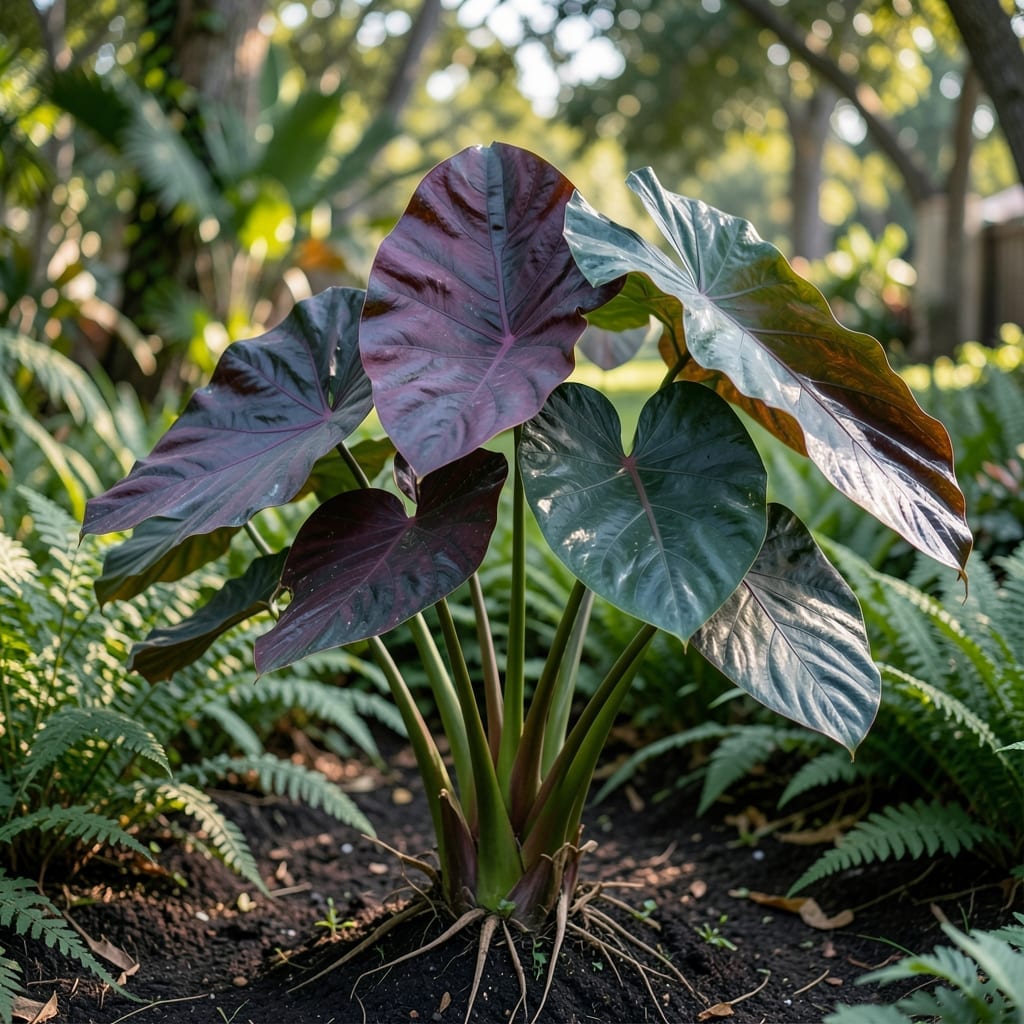
Tropical beauty meets specific needs when growing Elephant Ear 🌿 plants. Their lush foliage demands just the right temperature balance to truly thrive in your garden.
Getting the conditions wrong can lead to stressed plants or even loss. I’ve learned the hard way that these dramatic beauties need consistent warmth to maintain their striking appearance.
From my experience, understanding their temperature limits is the key to success. Whether you’re in zone 9b or trying to push the boundaries, knowing their tolerance levels makes all the difference.
Let me share what works for keeping these tropical stunners healthy and vibrant through every season. You’ll be amazed at how much difference the right temperature can make.
I love how elephant ear plants transform a garden with their bold, tropical leaves. But to keep them looking their best, getting the temperature right is crucial. These plants thrive in warm climates and can struggle if exposed to cold snaps or extreme heat.
Most elephant ear varieties prefer daytime temperatures between 70°F and 85°F. At night, they do best when temps stay above 60°F. Anything below 50°F can slow growth, while frost will kill the foliage quickly.
| Requirement | Specification |
|---|---|
| Ideal Day Temp | 70°F–85°F |
| Ideal Night Temp | Above 60°F |
| Minimum Survival Temp | 50°F (short-term) |
| Frost Tolerance | None |
| USDA Hardiness Zones | 9–11 |
In USDA zones 9–11, you can grow elephant ears as perennials since winters stay mild. In cooler zones, treat them as annuals or dig up tubers before the first frost. Colocasia and Alocasia varieties have slightly different needs.
Colocasia elephant ears handle heat better and can tolerate humid conditions up to 90°F. However, they need consistent moisture to prevent leaf scorch. Alocasia types prefer slightly cooler temps, ideally under 80°F to avoid stress.
If you’re growing them in containers, you have more control. Move pots to shadier spots when temps exceed 90°F and bring them indoors when nights dip below 55°F. This flexibility helps extend their growing season significantly.
For garden beds, mulching heavily around the base helps retain soil warmth and moisture. A 2–3 inch layer of organic mulch acts like insulation, protecting roots from temperature swings. This is especially helpful in early spring or fall.
I’ve found that morning sun with afternoon shade works best in hotter climates. The intense midday heat can bleach leaves, while gentle morning light encourages healthy growth without stress. In cooler areas, full sun is ideal for maximum warmth.
Watch for temperature stress signs like yellowing leaves or stunted growth. These often mean the plant is too cold. Conversely, brown leaf edges may indicate heat stress or low humidity. Adjusting their environment quickly can prevent permanent damage.
With the right care, these dramatic plants can become the focal point of your garden. Just remember their tropical origins and aim to replicate those warm, humid conditions as closely as possible in your climate 🌿
When Elephant Ears face temperature stress, they send clear signals. I’ve seen brown leaf edges appear during heatwaves, a sure sign of scorching. These tropical plants thrive in warmth but protest when conditions become extreme.
Cold stress shows differently. Blackened leaves or stunted growth often appear when temperatures dip too low. I learned to watch for these warning signs early to prevent permanent damage to my plants.
| Symptom | Cause | Solution |
|---|---|---|
| Brown leaf edges | Heat stress | Increase shade, water deeply |
| Wilting foliage | Underwatering | Check soil moisture daily |
| Blackened leaves | Cold damage | Move to warmer location |
Wilting during hot afternoons often means your Elephant Ears need more water. I recommend checking soil moisture at the root level, not just the surface. A deep soak in the morning helps them recover.
For cold damage, immediate action is crucial. I’ve successfully revived plants by moving potted specimens indoors when night temperatures drop below 50°F. Even in-ground plants benefit from a thick mulch layer.
Prevention is always better than cure. I monitor weather forecasts closely and adjust care accordingly. A simple shade cloth can make a huge difference during unexpected heat spikes.
Remember that different Elephant Ear varieties have varying tolerances. I’ve found that Colocasia types handle heat better than Alocasia, which prefer slightly cooler conditions.
With attentive care and quick responses to these temperature stress signs, your plants will maintain their dramatic beauty throughout the growing season 🌿