
Beautiful Plants For Your Interior
Beautiful Plants For Your Interior
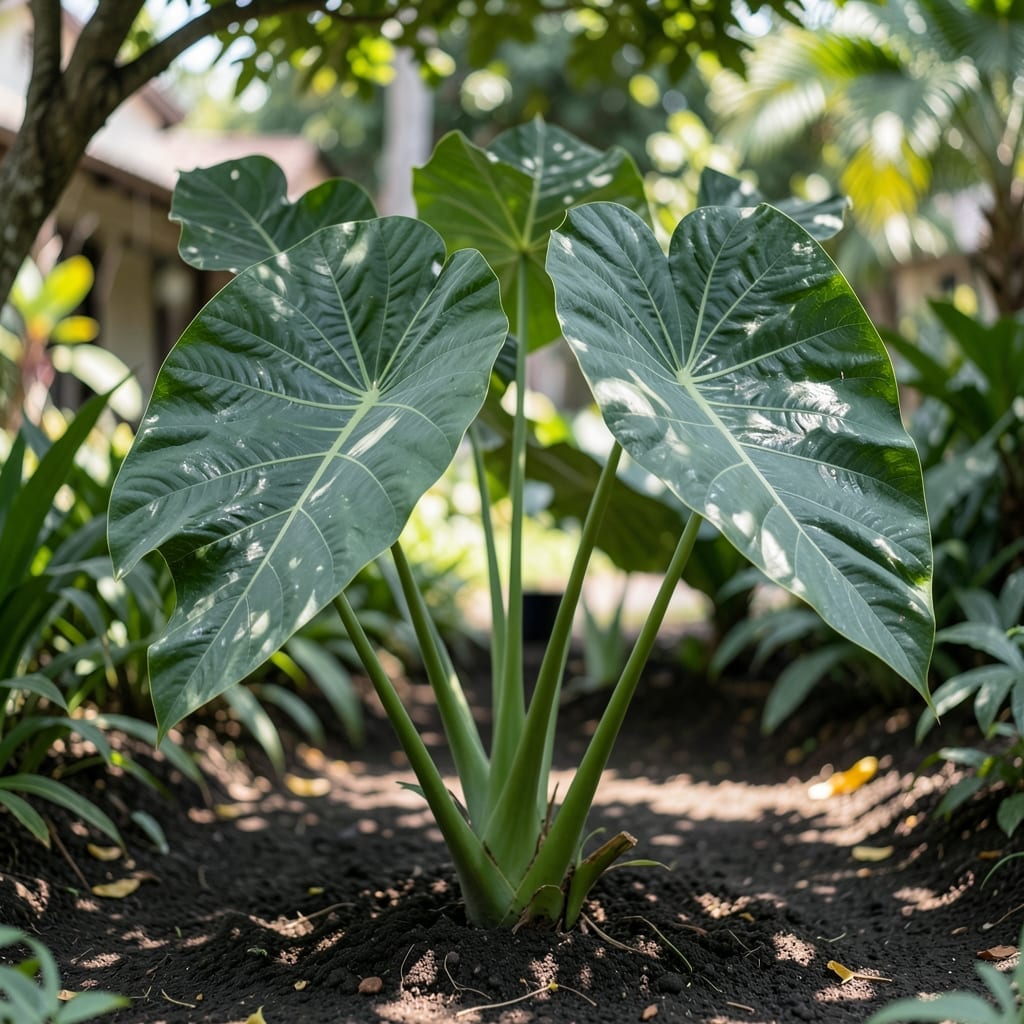
I still remember the first time I saw an Elephant Ear 🌿 plant in full glory—its massive leaves created a tropical paradise right in a modest backyard. That’s the kind of impact you can achieve too, with the right approach.
These stunning plants aren’t just about good looks; they’re surprisingly easy to grow when you know their secrets. The difference between a struggling plant and a thriving one often comes down to a few simple adjustments.
After years of testing and refining, I’ve discovered the most effective methods to help your Elephant Ear reach its full potential. No more guessing about what works and what doesn’t.
Let me walk you through how to create the perfect environment for rapid, lush growth. You’ll be amazed at how quickly your garden can transform.

To achieve lush elephant ear plants, you need to replicate their native tropical environment. These dramatic foliage plants thrive in warm, humid conditions with consistent moisture and partial shade.
I’ve found that USDA zones 6-11 work best for outdoor growth, though they can be grown as annuals in cooler climates. The key is starting after the last frost when soil temperatures reach 60°F or above. 🌿
| Requirement | Specification |
|---|---|
| Sunlight | 4-6 hours daily, partial shade |
| Soil Type | Rich, well-draining, slightly acidic |
| Water Needs | High, keep soil consistently moist |
| Humidity | 60-70% for optimal growth |
| Temperature | 70-85°F during growing season |
For elephant ear plant growth, soil quality can’t be overlooked. I recommend amending your garden bed with plenty of organic matter like compost or well-rotted manure. This improves both nutrient content and drainage, which is crucial.
When it comes to light requirements, these plants prefer bright, indirect light or dappled shade. In my experience, too much direct sun can scorch the leaves, while too little leads to weak, leggy growth. 🌱
Watering is critical for elephant ears. They need consistent moisture but can’t tolerate waterlogged soil. I water my plants deeply 2-3 times per week during hot weather, adjusting based on rainfall and soil drainage.
The ideal temperature range is 70-85°F during the growing season. If you’re in a cooler climate, consider starting tubers indoors or using black plastic mulch to warm the soil faster in spring.
Humidity levels of 60-70% mimic their natural habitat. In drier climates, I’ve had success with grouping plants together or using a pebble tray with water to increase local humidity around the plants.
Remember that elephant ears are heavy feeders. They’ll benefit from regular fertilization with a balanced 10-10-10 fertilizer every 4-6 weeks during the growing season. This supports their rapid foliage production. ☀️
For container growing, choose a large pot (at least 18-24 inches in diameter) with good drainage. This gives the tubers room to expand and prevents root bound conditions that can stunt growth.
Finally, don’t forget about air circulation. While elephant ears love humidity, good airflow prevents fungal diseases. I space my plants 2-3 feet apart to ensure proper ventilation while still creating that lush tropical look. 🌿
Want bigger leaves and faster growth from your elephant ears? I’ve found that consistent feeding with a balanced 10-10-10 fertilizer every 4-6 weeks works wonders during the growing season.
Another game-changer is morning watering—it prevents fungal issues while ensuring deep soil moisture. I always aim for 1-2 inches of water per week, adjusting for rain.
For container-grown elephant ears, I recommend 18-24 inch pots to give roots room. Smaller pots restrict growth and lead to stunted foliage, which no gardener wants.
Pruning spent leaves is often overlooked but crucial. Removing yellow or damaged leaves allows the plant to focus energy on new, healthy growth instead of repairing old ones.
Companion planting can also help. I pair mine with hostas or ferns to create a humidity-rich microclimate, which elephant ears love. Just ensure they share similar light and water needs.
Finally, don’t forget warm soil. Elephant ears thrive when planted after the last frost when soil temps hit 60°F or higher. This kickstarts their growth cycle right away.
🌿