
Beautiful Plants For Your Interior
Beautiful Plants For Your Interior
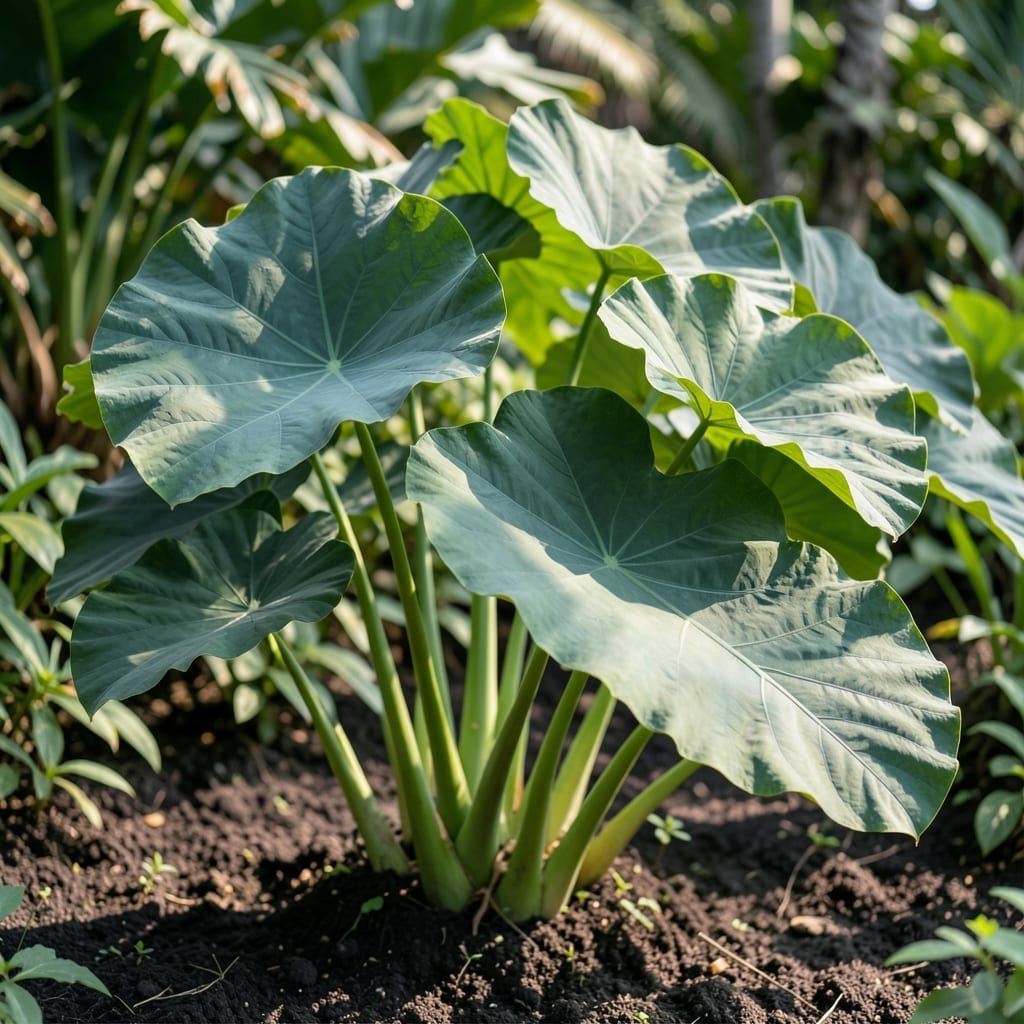
Elephant ear plants can transform any garden into a tropical paradise, but their lush foliage needs the right sunlight to truly thrive. I’ve seen too many gardeners struggle with these dramatic plants in full sun.
Getting it right means understanding how 🌿 Elephant Ear interacts with intense light. The difference between vibrant growth and struggling leaves often comes down to sunlight exposure.
What if you could create the perfect conditions for bold, healthy foliage? The key lies in balancing sun exposure with proper care techniques.
Discover how to maximize growth in sunny areas with the right approach. Your garden will thank you for it.

If you’ve ever admired the dramatic foliage of elephant ear plants, you might wonder whether they can thrive in full sun. The answer is a qualified yes, but there are important nuances to consider for optimal growth.
Both Alocasia and Colocasia varieties have different sun tolerances. While Colocasia can often handle 6+ hours of direct sun, Alocasia prefers partial shade to prevent leaf scorch. The key is understanding your specific plant’s needs.
| Variety | Sun Tolerance | Ideal Exposure |
|---|---|---|
| Colocasia | High | 6-8 hours of direct sun |
| Alocasia | Moderate | Morning sun + afternoon shade |
| Xanthosoma | Medium | 4-6 hours of sun |
I’ve found that morning sun is generally better tolerated than harsh afternoon rays. The softer light helps prevent leaf scorch while still providing the energy needed for those vibrant green leaves to reach their full potential.
Signs of sun stress include brown crispy edges or bleached spots on leaves. If you notice these, it’s your plant’s way of saying it needs some relief from the intense light. Try moving it to a spot with dappled shade during the hottest part of the day.
The color intensity of your elephant ear’s foliage can also indicate how well it’s handling the sun. Darker leaves often develop in partial shade, while lighter green or even purple-tinged leaves may appear with more sun exposure, depending on the variety.
In my experience, gradual acclimation is crucial when introducing elephant ears to full sun. Start with 2-3 hours of direct sunlight and slowly increase over 7-10 days. This gives the plant time to adjust and develop its natural sun protection.
Remember that soil moisture plays a big role in sun tolerance. Plants in well-moistened soil can handle more sun than those in dry conditions. I recommend checking the soil daily during hot spells, as elephant ears have high water needs in full sun.
For those in hotter climates, consider using shade cloth during peak afternoon hours. A 30-40% shade cloth can provide just enough protection while still allowing beneficial light through. This simple addition can make a world of difference in your plant’s health.
Finally, don’t forget that container-grown elephant ears give you the flexibility to move them around as needed. If you notice signs of stress, you can easily relocate them to a more suitable spot. Just be sure to harden them off properly when making significant changes to their light exposure. ☀️
I’ve found that elephant ear plants can thrive in full sun, but they need a little extra care to handle the intensity. The key is gradual acclimation—start with a few hours of morning sun and slowly increase exposure over a week or two.
In my experience, consistent moisture is critical when these plants are in direct sunlight. Aim for deep watering at least 2-3 times per week in hot climates, always in the early morning to reduce evaporation.☀️
I always recommend mulching with organic material like straw or wood chips. This keeps the soil temperature stable and reduces water loss, which is especially important for elephant ears in full sun.
When the afternoon sun is particularly harsh, I use 30-40% shade cloth to provide some relief. This is a game-changer in USDA zones 8-11, where the heat can be intense even for sun-loving plants.
Watch for brown crispy edges or bleached spots on leaves—these are classic signs of sun stress. If I notice these, I immediately move the plant to a spot with dappled shade for a few days.
Finally, I’ve learned that companion planting works wonders. Placing taller plants nearby can create natural shade during the hottest part of the day while still allowing your elephant ears to get their needed 6+ hours of sun.🌿