
Beautiful Plants For Your Interior
Beautiful Plants For Your Interior
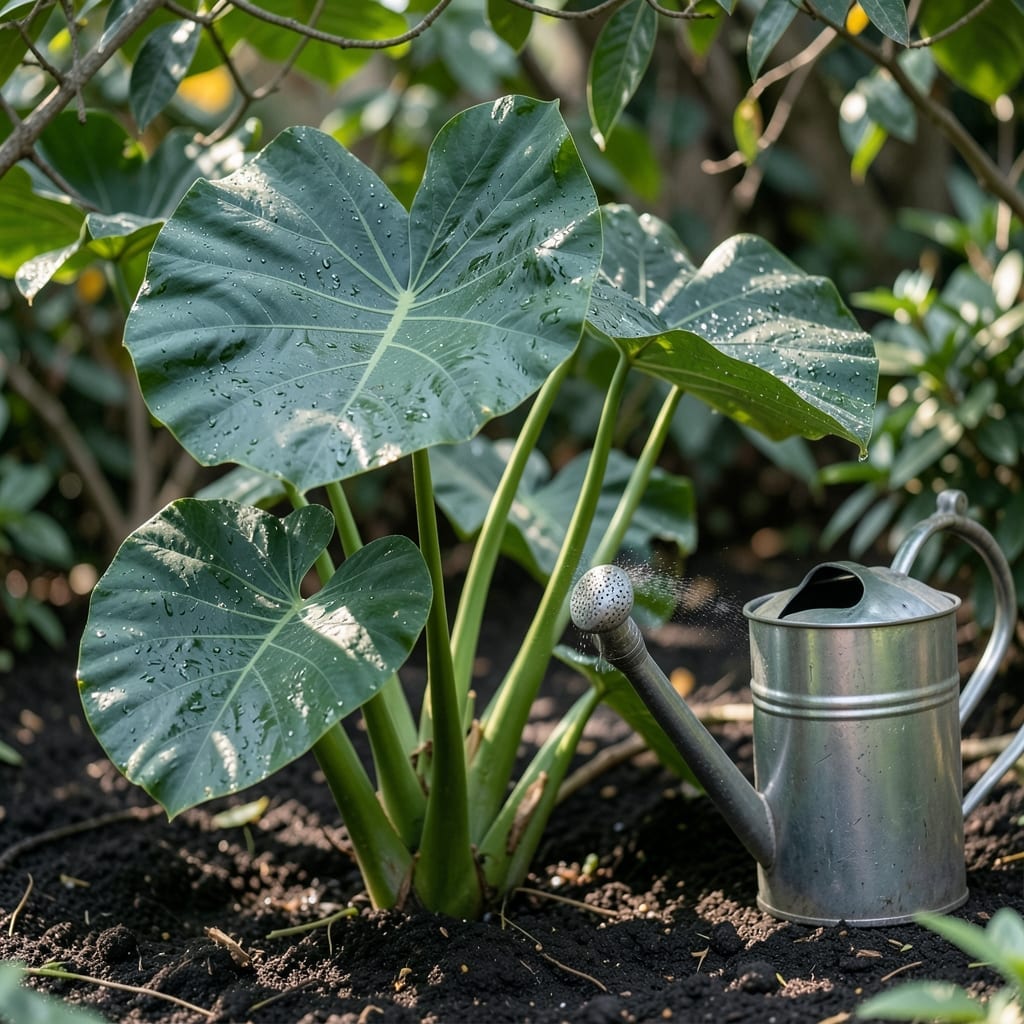
Woke up to find your elephant ear plant crying? Dripping water isn’t always bad—sometimes it’s just the plant sweating through guttation. But I’ve learned the hard way it can also signal trouble.
Overwatering is the usual suspect, creating soggy soil that stresses the roots. Other culprits include pest damage or sudden temperature changes. The fix is often as simple as adjusting your watering routine.
You’ll know it’s working when the leaves stop weeping within 24-48 hours. The plant perks up, soil feels just damp, and new growth resumes. Prevention is easier than you think.
Works for all elephant ear varieties, indoors or out. Here’s how to diagnose and fix it fast.
Elephant ear plants (Colocasia or Alocasia) dripping water is a natural but often misunderstood phenomenon. Here’s why it happens, broken down by cause:
This is the most common reason. Guttation occurs when water pressure builds inside the plant, forcing excess moisture out through tiny pores called hydathodes at the leaf edges. It’s not dew—it’s the plant actively expelling water, often at night or in high humidity. This process helps regulate internal pressure and nutrient flow.
If your elephant ear is dripping and the soil stays soggy, overwatering may be the culprit. Roots can’t absorb oxygen in waterlogged soil, leading to stress. The plant pushes out excess water as a survival response. Check the soil: if it’s muddy or smells sour, cut back on watering.
Elephant ears thrive in humidity, but stagnant, humid air can trap moisture on leaves, mimicking guttation. Combine this with poor airflow, and water lingers instead of evaporating. Ensure good ventilation around your plant to prevent fungal issues or mistaken overwatering signs.
During the day, plants release water vapor through transpiration. If environmental conditions (like sudden temperature drops or high soil moisture) disrupt this process, the plant may excrete liquid instead. This is temporary and harmless but can be reduced by maintaining consistent growing conditions.
If your elephant ear plant is dripping water, it’s usually a sign of overwatering or poor drainage. Here’s how to tackle each issue with simple, actionable steps.
Fix: Stop watering immediately and let the soil dry out. Check the top 1–2 inches of soil—if it’s soggy, hold off until it feels dry to the touch. For severe cases, remove the plant from its pot, gently shake off excess soil, and let the roots air-dry for a few hours before repotting in fresh, well-draining mix.
Prevention: Water only when the topsoil is dry. Use a moisture meter or your finger to test soil dampness. 💡 Pro tip: Elephant ears prefer consistent moisture but hate sitting in water.
Fix: Ensure your pot has drainage holes. If it doesn’t, drill a few or switch to a container with proper drainage. Elevate the pot on a tray with pebbles to prevent waterlogging. If the soil is compacted, loosen it with a fork or repot with a lighter mix (e.g., peat, perlite, and pine bark).
Prevention: Always use pots with drainage holes and a chunky, fast-draining soil mix. Avoid heavy garden soil or clay-based potting mixes.
Fix: Move your plant to a spot with better airflow or lower humidity. If indoors, use a small fan to improve circulation. Outdoors, ensure it’s not in a overly shaded, damp area. Wipe excess water from leaves to prevent fungal issues.
Prevention: Maintain stable conditions—aim for 60–70% humidity and temperatures between 65–85°F. ✨ Pro tip: Group plants together to create a microclimate with balanced humidity.
No, guttation is completely normal and harmless. It’s just the plant’s way of releasing excess water and minerals. Think of it like sweating—it’s a healthy sign of active growth!
Water when the top 1-2 inches of soil feel dry. Typically, this means watering 2-3 times per week in warm weather, less in cooler months. Always check soil moisture first.
Only if it’s excessive or combined with poor airflow. Prolonged wetness can invite fungal issues. Wipe leaves gently and improve ventilation to keep your plant thriving.