
Beautiful Plants For Your Interior
Beautiful Plants For Your Interior
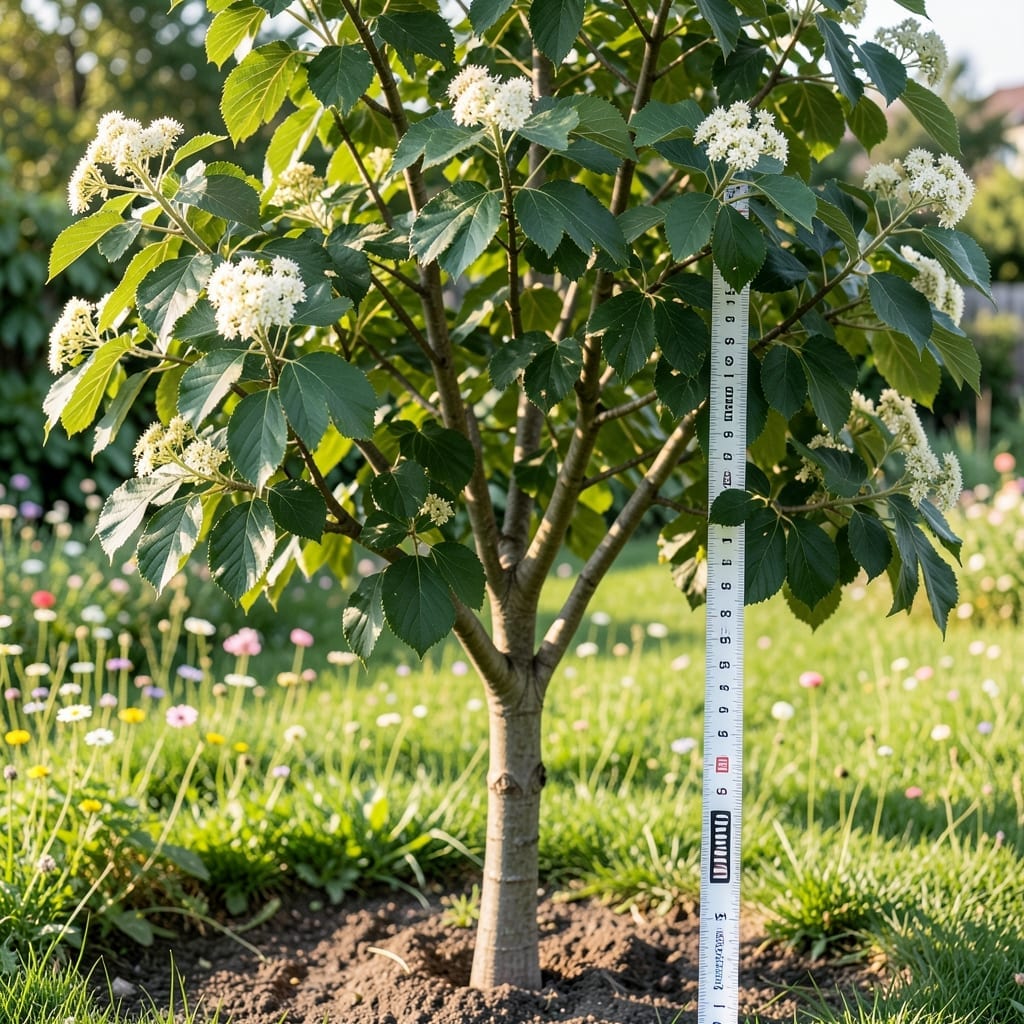
Planning to add an Elderberry Tree 🌳 to your garden? Knowing its mature height is crucial for proper spacing and landscape design.
Without this knowledge, you might end up with overcrowded plants or a garden that looks unbalanced. I’ve seen many gardeners struggle with this exact issue.
Understanding the typical size of an Elderberry Tree helps you plan ahead and avoid future maintenance headaches. It’s the foundation of good garden design.
Discover how tall these beautiful trees can grow and what factors influence their height. Let’s dive into the details that will make your gardening journey easier.

When I plan my garden, I always check the mature height of plants first. For elderberry trees, this varies widely by species and growing conditions. American elderberries typically reach 12-20 feet tall in ideal conditions.
European varieties often stay slightly smaller, topping out around 15 feet. Meanwhile, dwarf cultivars like ‘Black Lace’ max out at 6-8 feet, perfect for smaller spaces. These differences are crucial for landscape planning.
| Elderberry Type | Mature Height Range |
| American | 12-20 ft |
| European | 10-15 ft |
| Dwarf | 6-8 ft |
| Semi-Dwarf | 8-12 ft |
I’ve noticed that soil quality dramatically affects elderberry height. Rich, moist but well-draining soil promotes the tallest growth. In poor soil, even standard varieties might only reach 8-10 feet.
Sunlight exposure also plays a key role. Elderberries in full sun (6+ hours daily) grow significantly taller than those in partial shade. My own American elderberry in full sun hit 18 feet in just five years.
Climate zone impacts mature height too. In warmer zones (7-9), elderberries often exceed their expected height. In cooler zones (4-6), they may stay on the shorter end of their range due to shorter growing seasons.
I recommend checking your USDA zone and soil conditions before planting. For example, in zone 5 with average soil, expect your American elderberry to reach about 12-15 feet rather than the full 20 feet.
Water availability is another factor. Elderberries are water-loving plants. Consistent moisture, especially during the first few years, encourages maximum height. Drought conditions can stunt growth by 30-40%.
For gardeners with limited space, I suggest starting with dwarf varieties or container growing. Even standard elderberries can be kept smaller through regular pruning, though this may reduce berry production.
In my experience, the fastest growth occurs in the first 3-5 years. After that, elderberries slow their upward growth but continue to fill out with more branches and foliage. This growth pattern helps in planning your garden’s vertical space.
Remember that mature height is just an estimate. Your elderberry’s final size depends on your specific growing conditions and care practices. With proper attention, these beautiful trees can become a striking focal point in any garden 🌳
Managing the height of elderberry trees in small gardens is entirely possible with the right approach. I’ve successfully kept mine at 6-8 feet using simple techniques that any gardener can implement.
Whether you choose dwarf varieties or use pruning methods, there are effective ways to enjoy elderberries without overwhelming your space. The key is understanding the plant’s natural growth habits.
For container growing, select large pots (minimum 20 gallons) with good drainage. This method restricts the root system, naturally limiting the tree’s height to about 8 feet.
Pruning is essential for height control. I recommend cutting back by 1/3 each year in early spring before new growth starts. This keeps the plant vigorous while managing its size.
If you prefer a more natural look, consider growing elderberries as multi-stemmed shrubs rather than single-trunk trees. This approach typically results in a bushier, shorter plant that’s easier to maintain.
Remember that soil fertility and water availability affect growth rate. In less ideal conditions, your elderberry may naturally stay smaller, which can be an advantage in compact gardens. 🌱