
Beautiful Plants For Your Interior
Beautiful Plants For Your Interior
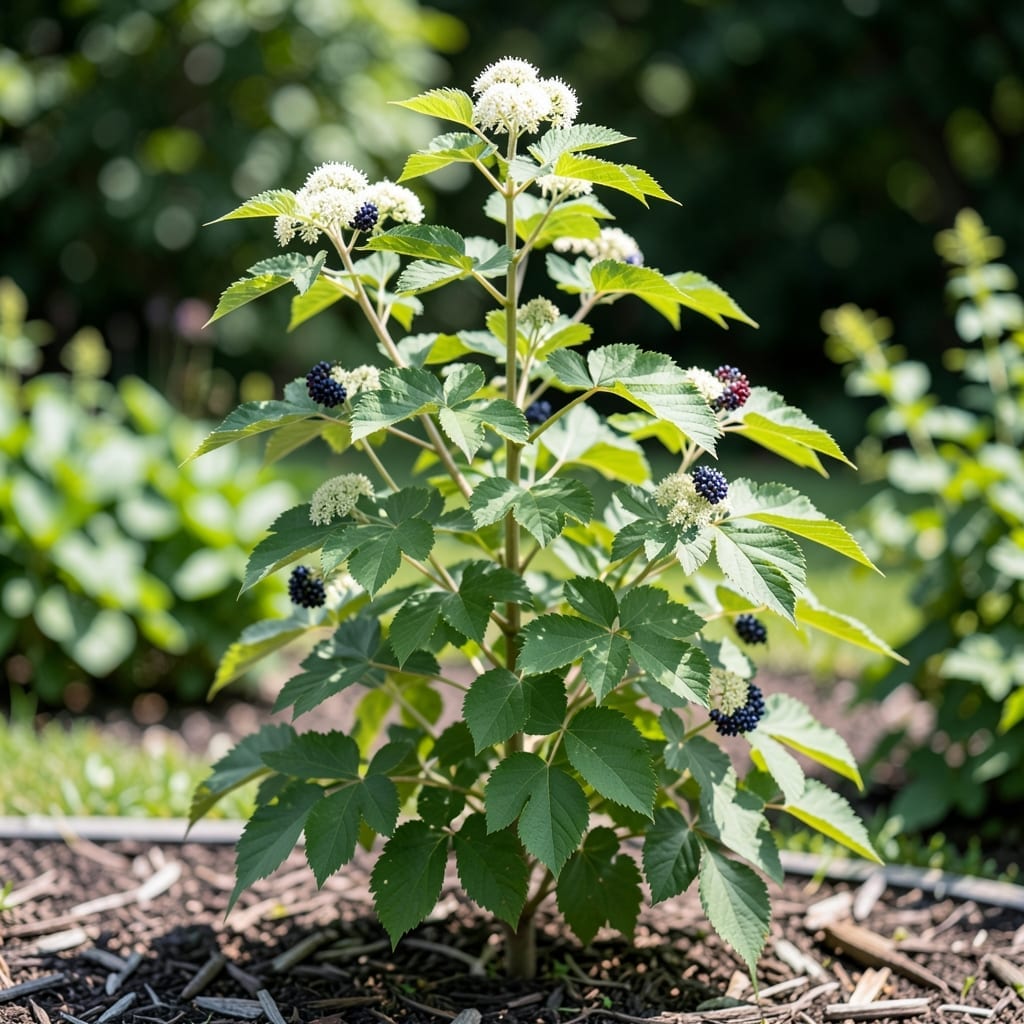
Elderberry bushes thrive with the right light conditions, but getting it wrong can stunt growth or reduce fruit production. I’ve seen firsthand how proper sun exposure transforms a struggling 🌿 Elderberry into a flourishing plant.
Whether you’re planting in zones 4-9 or just starting out, understanding light needs is the key to success. Too much shade? You’ll notice sparse foliage and small berries.
Fortunately, Elderberry is adaptable. With 6+ hours of sunlight daily, you’ll maximize both growth and harvest. Even partial shade can work if you adjust expectations.
Discover exactly how to position your plants for the best results, no matter your climate or garden layout. Let’s get your Elderberry the light it deserves.
 Best Window Placement
I’ve found that elderberry bushes perform best with 6-8 hours of direct sunlight daily. This ensures robust growth and abundant berry production for your garden. ☀️
While they tolerate partial shade, too little light leads to weaker stems and fewer flowers. In hotter climates, afternoon shade can prevent heat stress on the plants. 🌿
| Requirement | Specification |
|---|---|
| Ideal Daily Sunlight | 6-8+ hours |
| Minimum Sunlight | 4-6 hours |
| Shade Tolerance | Moderate |
| Best Light Type | Direct to bright indirect |
In my experience, morning sunlight is especially beneficial. It helps dry dew from leaves quickly, reducing the risk of fungal diseases that elderberries can be prone to. 🌱
For gardeners in northern climates, aim for the maximum sunlight possible. Elderberries in these regions often benefit from full sun to compensate for shorter growing seasons.
If you’re growing elderberries in containers, rotate pots regularly to ensure even light exposure. This prevents lopsided growth and encourages balanced development.
Seasonal adjustments matter too. In early spring and late fall, when sunlight is less intense, your plants may need every bit of light they can get to maintain productivity.
I always recommend observing your plants. Yellowing leaves or sparse flowering often signal insufficient light. In such cases, consider pruning nearby trees or relocating your elderberries.
Remember that young elderberry plants are more sensitive to light conditions. They need consistent light to establish strong root systems and healthy growth patterns.
Finally, don’t forget that soil moisture and light exposure work together. Well-drained soil in sunny spots helps prevent waterlogging while maximizing the benefits of sunlight. 💧
If your elderberry bush looks weak or stunted, light deprivation might be the culprit. Watch for sparse foliage or small leaves, as these are classic signs of insufficient sunlight. The plant may also produce fewer flowers and tiny berries.
Another red flag is leggy growth, where stems stretch unnaturally toward light. Poor flowering and delayed fruiting often follow. These symptoms mean your elderberry needs more direct sunlight to thrive. ☀️
⚠️ Warning: Light Deficiency Ahead
Without 6-8 hours of sun, elderberries struggle. Prune nearby trees or relocate pots to brighter spots. Thin out dense canopies to improve light penetration.
For potted elderberries, move them to a sunnier location immediately. In-ground plants may need selective pruning of surrounding vegetation. Even dappled shade can limit productivity if it blocks too much light.
I’ve seen American elderberry varieties bounce back quickly after adjusting light exposure. European types are slightly more shade-tolerant but still need ample sunlight for optimal berry production. Don’t wait until harvest time to notice the problem.
Check your garden’s sunlight patterns throughout the day. Morning sun is gentler, while afternoon rays can be intense. Elderberries generally handle both, but consistent light is key for healthy growth and abundant harvests.
If you’re unsure, use a sunlight calculator app to track exposure. Aim for at least 6 hours of direct sun, and adjust as needed. A little extra attention to light now saves months of frustration later. 🌿