
Beautiful Plants For Your Interior
Beautiful Plants For Your Interior
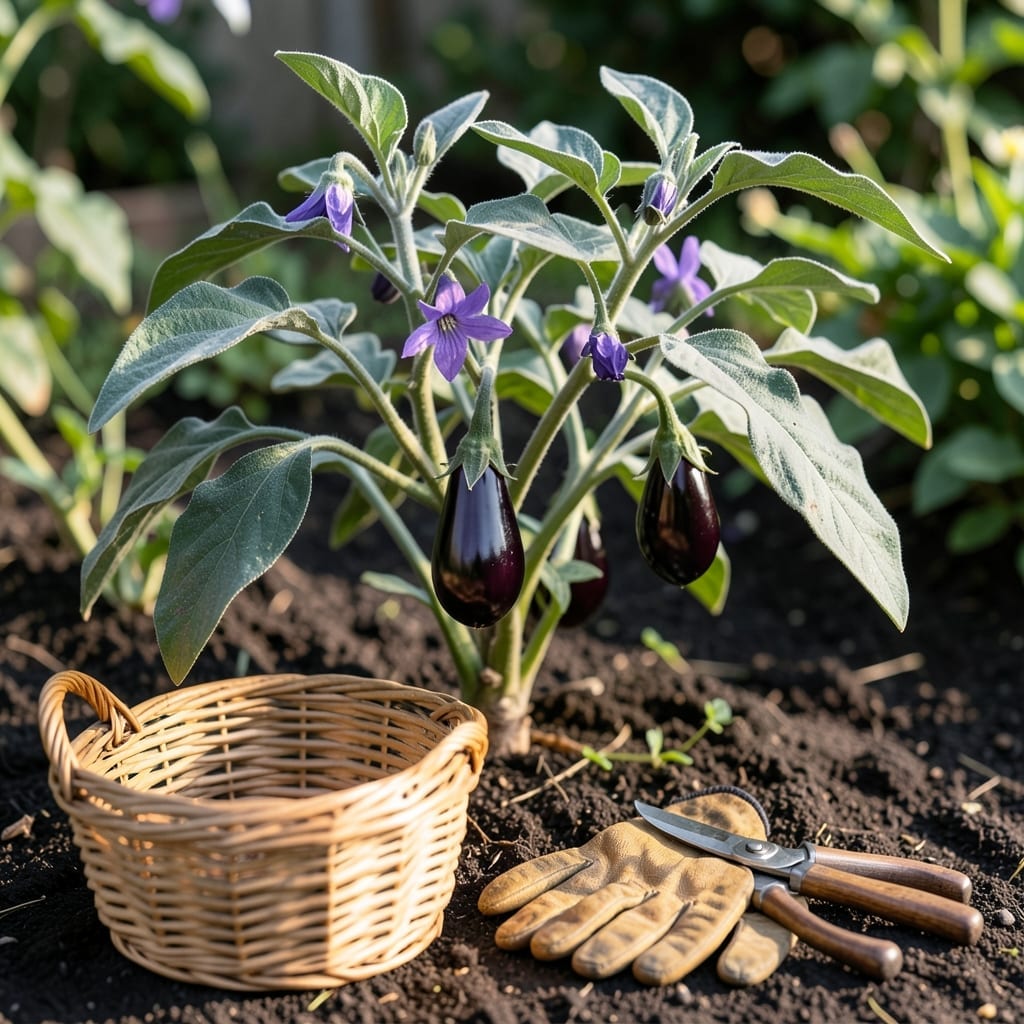
Knowing the perfect eggplant harvest time can mean the difference between bitter, seedy fruits and tender, flavorful produce straight from your garden. Timing is everything when it comes to picking 🍆 eggplants at their peak.
I’ve learned through trial and error that missing the ideal window by even a few days can dramatically affect taste and texture. Whether you’re new to gardening or have years of experience, getting this right will transform your harvest.
What if you could consistently pick eggplants when they’re at their absolute best? The good news is that there are clear visual and tactile signs to watch for that take all the guesswork out of the process.
Discover the simple yet powerful indicators that will help you harvest eggplants with confidence every time. Your most delicious homegrown meals are just a proper harvest away.
I always watch for the glossy skin and vibrant color that signal an eggplant is nearing its peak. Most varieties develop a deep purple hue when ready, but some turn white or green. The sheen is a dead giveaway—dull skin usually means it’s not quite there yet.
Size matters too. For standard Black Beauty eggplants, I look for fruits that are 6-8 inches long and plump in the middle. Smaller varieties like Fairy Tale are ready at just 3-4 inches, so know your plant type.
| header-cell” style=”border: 1px solid #6fd544; padding: 12px; background-color: #6fd544; color: white;”>Size at Harvest | row”> | cell” style=”border: 1px solid #6fd544; padding: 12px;”>6-8 inches | row”> | cell” style=”border: 1px solid #6fd544; padding: 12px;”>3-4 inches | row”> | cell” style=”border: 1px solid #6fd544; padding: 12px;”>8-12 inches | Glossy black-purple |
|---|
The firmness test is my go-to method. Gently press the fruit—if it springs back, it’s ready. If it leaves an indent, you’ve waited too long and the seeds may be bitter. I also check the stem and cap; they should be green and fresh-looking.
For Japanese eggplants, I harvest when they’re long and slender, usually before they get too thick. The skin should still be smooth and taut. If the fruit starts feeling soft or the skin wrinkles, it’s past its prime and the flesh inside turns mushy.
I’ve found that morning harvesting gives the best results. The fruits are firmest after a cool night, and the plant is less stressed from heat. Use pruning shears or a sharp knife to cut the stem, leaving about 1 inch attached to the fruit.
Don’t forget to check the underside of the fruit too. sometimes the color develops unevenly, and the bottom might still be pale while the top looks ready. A uniformly rich color all over is what you want.
If you’re growing white eggplants like Casper, the same rules apply—look for that glossy finish and full size. The only difference is the color, but the texture and firmness cues remain consistent.
I make it a habit to check my plants every 2-3 days once they start producing. Eggplants can go from perfect to overripe surprisingly quickly, especially in hot weather. Regular checks ensure you don’t miss the window.
Finally, trust your instincts. If the eggplant looks healthy and vibrant, and meets the size and texture criteria for its variety, it’s probably ready. I’ve never regretted picking one a little early, but I’ve certainly been disappointed by waiting too long! 🌱
Picking eggplants at the wrong time can drastically affect flavor and texture. Harvest too early, and you’ll get small, bitter fruits with underdeveloped seeds. Wait too long, and they become tough, seedy, and bland.
An immature eggplant often has a dull skin and feels hard to the touch. It lacks the rich color and glossy finish of a ripe one. These fruits won’t soften or sweeten after picking, so timing is critical.
If you’ve left eggplants on the vine too long, you might notice the skin turning yellow or the flesh becoming spongy. These are clear signs of overripeness. While you can still use them, they won’t be as tender or flavorful.
For the best results, I recommend checking your eggplants daily once they reach near-mature size. A gentle squeeze test can help—ripe fruits should give slightly under pressure but bounce back quickly.
Remember, eggplant varieties can differ in ideal harvest times. Japanese eggplants are best picked when slender and firm, while globe eggplants should be harvested when they reach 6-8 inches in diameter.
By monitoring these key indicators, you’ll ensure every eggplant harvest is at its peak of perfection. ☀️