
Beautiful Plants For Your Interior
Beautiful Plants For Your Interior
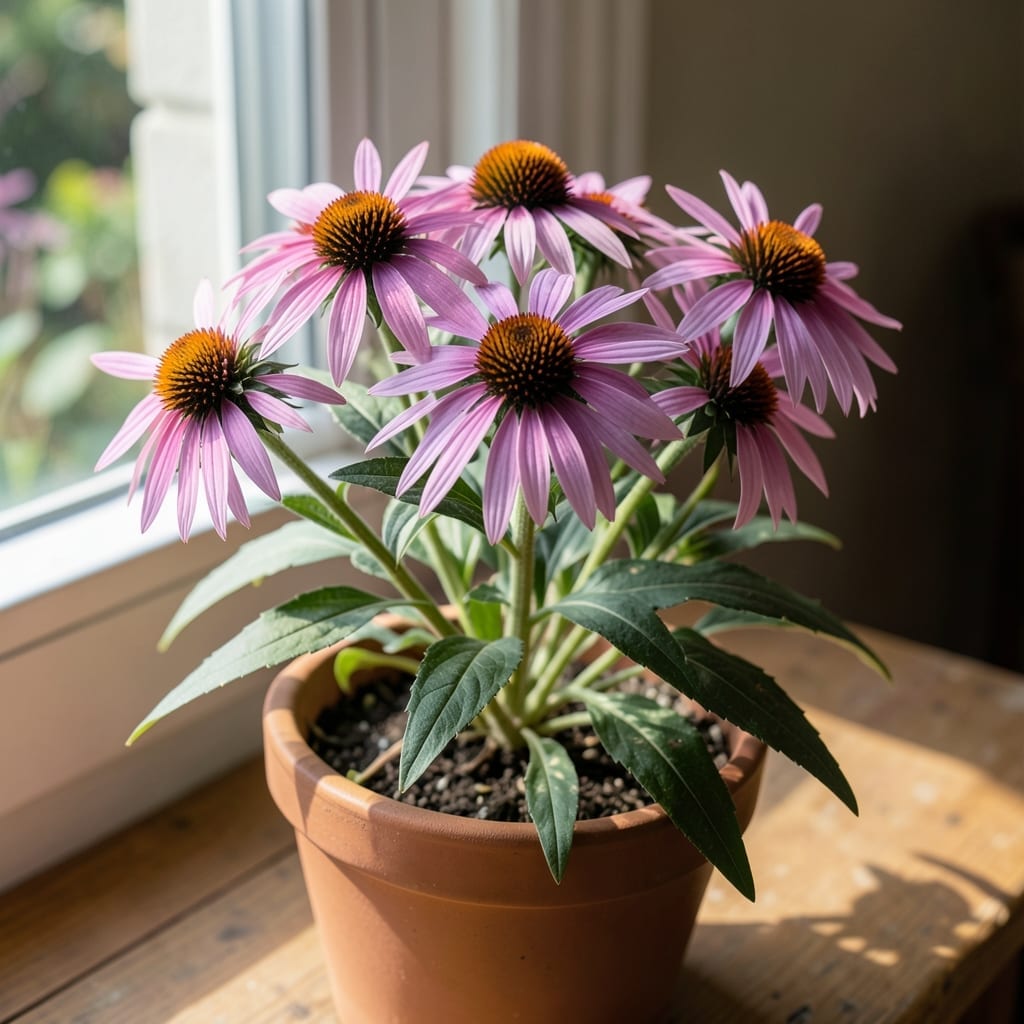
Waiting for Echinacea seeds to sprout can test your patience. That first glimpse of green peeking through the soil is worth the wait, though.
I remember my first attempt at growing 🌼 Echinacea – I checked the pots daily, wondering if I’d done something wrong. Turns out, I just needed to understand the process better.
Getting the timing right is the key to success with these beautiful coneflowers. From seed to sprout, the journey requires both knowledge and a bit of faith.
Let me walk you through what to expect and how to set yourself up for faster, more reliable germination with your Echinacea seeds.
If you’re growing echinacea from seed, you’ll need patience. Under ideal conditions, germination typically takes 7 to 30 days, though some seeds may sprout faster or slower depending on the environment.
The most critical factors are temperature, moisture, and light exposure. Seeds germinate best at 70-75°F, with consistent moisture and indirect light. Fresh seeds also tend to sprout more quickly than older ones.
| Factor | Optimal Condition |
|---|---|
| Temperature | 70-75°F |
| Moisture | Consistent, not soggy |
| Light | Indirect sunlight |
| Depth | 1/8 inch deep |
| Stratification | Cold treatment helps |
Many gardeners don’t realize that echinacea seeds often benefit from cold stratification. This mimics winter conditions and can improve germination rates. I recommend placing seeds in the fridge for 2-4 weeks before planting.
Once planted, keep the soil evenly moist but avoid waterlogging, which can cause seeds to rot. A spray bottle works well for gentle watering without disturbing the seeds. Covering the tray with plastic wrap can help retain moisture.
Light is another key factor. While echinacea needs light to germinate, direct sunlight can dry out the soil too quickly. A bright windowsill or grow lights set to 12-14 hours per day are ideal for indoor starts.
If you’re direct sowing outdoors, wait until after the last frost date in your area. Soil temperatures should be at least 60°F. In cooler climates, starting seeds indoors 8-10 weeks before the last frost gives them a head start.
Remember, seed freshness matters. Older seeds may take longer to germinate or have lower success rates. If your seeds are more than a year old, consider doing a float test to check viability before planting.
Once sprouts appear, remove any coverings and move them to bright light. At this stage, overcrowding can stunt growth, so thin seedlings to 2-3 inches apart if they’re too dense.
With the right conditions and a little care, you’ll see those first green shoots pushing through the soil. It’s a rewarding moment that makes the wait worthwhile. Keep notes on your process to refine your approach next season 🌱
I’ve found that echinacea seeds can be slow to sprout, but these proven tips help speed up the process. Pre-soaking seeds overnight can soften the outer shell, making it easier for moisture to penetrate. Heat mats are another game-changer, keeping soil temperatures consistently warm.
Another key factor is planting depth. I always sow seeds at a shallow 1/8 inch depth to ensure they get enough light while staying moist. Overwatering is a common mistake, so I use a spray bottle to maintain even moisture without soggy soil.
I also recommend stratifying seeds if they’re fresh from the garden. This mimics winter conditions and can improve germination rates significantly. A quick 2-week cold treatment in the fridge does the trick.
Consistency is everything. I check my trays daily to ensure the soil never dries out completely. A clear plastic cover helps retain humidity while still allowing light to reach the seeds.
Once sprouts appear, I remove the cover and place the tray under grow lights or in a sunny window. This prevents leggy seedlings and encourages strong, healthy growth from the start.
With these methods, I’ve cut my echinacea germination time down to as little as 7 days under perfect conditions. Patience and attention to detail make all the difference. 🌱