
Beautiful Plants For Your Interior
Beautiful Plants For Your Interior
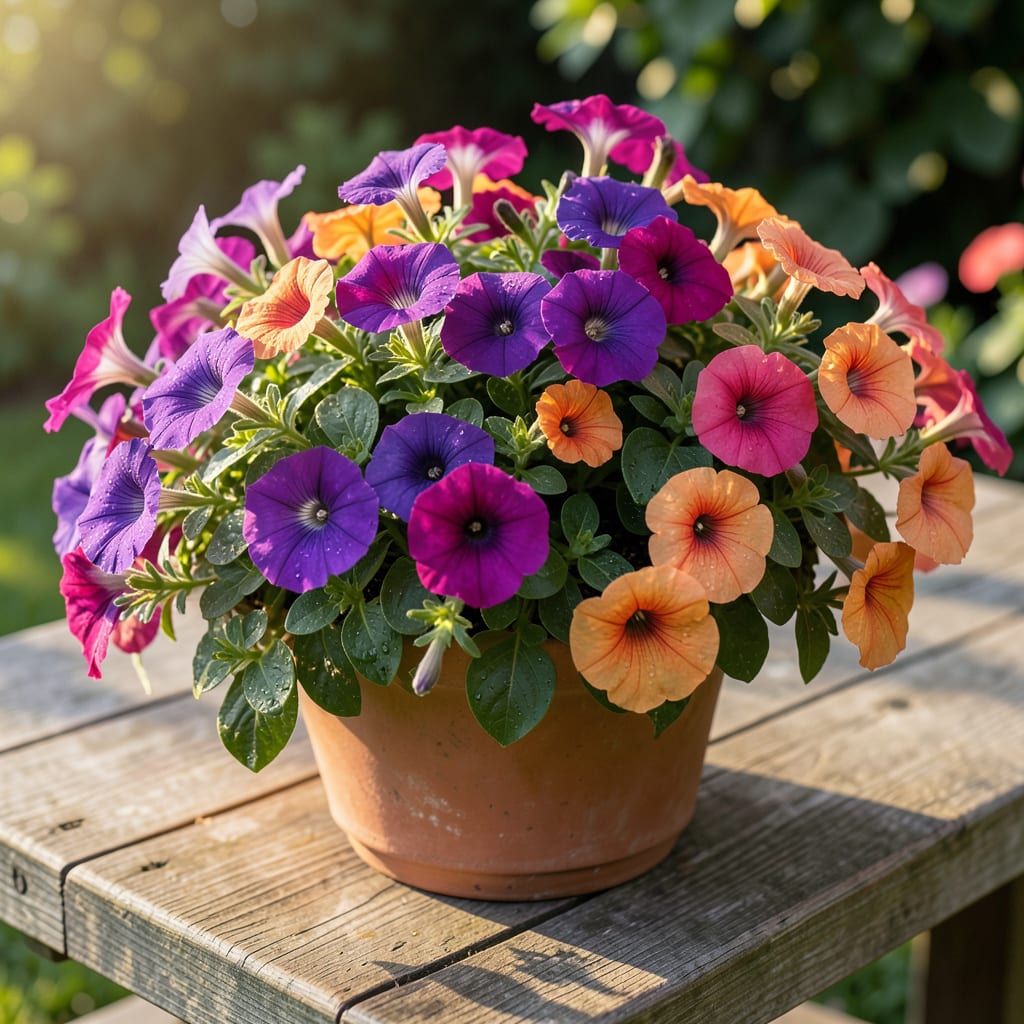
I fell in love with these plants the first time I saw them cascade over a hanging basket. Easy Wave petunias spread 3-4 feet with waves of color that never need deadheading, blooming nonstop from spring until frost.
They thrive in full sun with minimal care—just weekly watering and occasional feeding. Perfect for borders, containers, or filling empty garden spaces with vibrant color that bounces back after rain.
📚 In This Guide
This method delivers waves of color with minimal effort, perfect for busy gardeners.
Select a spot with full sun—at least 6-8 hours of direct sunlight daily. Easy Wave petunias thrive in bright conditions and will produce the most vibrant blooms when they get plenty of light. Avoid deeply shaded areas, as this leads to leggy growth and fewer flowers.
If planting in containers, ensure they’re placed where they’ll receive consistent sunlight. A south or west-facing patio, balcony, or garden bed works best. Watch for areas where shadows fall for long periods—these aren’t ideal.
Use a well-draining potting mix for containers or amend garden soil with compost for in-ground planting. Easy Wave petunias prefer fertile, loose soil that doesn’t stay soggy. If the soil feels heavy or clay-like, mix in perlite or sand to improve drainage.
Test the soil by digging a small hole and filling it with water. If it drains within 30 minutes, you’re good to go. If it takes longer, work in organic matter to lighten it up. This step prevents root rot and keeps plants healthy.
Space plants 12-18 inches apart to give them room to spread. Easy Wave petunias have a trailing habit, so they’ll fill in gaps beautifully. Dig a hole slightly larger than the root ball, place the plant in, and firm the soil gently around it.
Water deeply after planting, then keep the soil consistently moist but not waterlogged. Check the top 1 inch of soil—if it feels dry, it’s time to water again. Overwatering leads to yellowing leaves, so let the top layer dry out between waterings.
Feed your petunias with a balanced, water-soluble fertilizer every 2-3 weeks to encourage prolific flowering. Easy Wave varieties are heavy bloomers, and regular feeding keeps them producing vibrant flowers all season long.
Look for a 10-10-10 or 20-20-20 formula and follow the package instructions for dilution rates. If you notice the blooms slowing down or leaves looking pale, it’s a sign they need an extra boost. Fertilizing in the early morning helps prevent leaf burn.
Trim back the plants by about one-third when they start looking leggy, usually after the first big flush of blooms. This encourages branching and more flowers. Use clean, sharp scissors or pruners to make clean cuts just above a leaf node.
Don’t be afraid to prune aggressively—Easy Wave petunias bounce back quickly. After trimming, you’ll see new growth within 7-10 days. Regular deadheading isn’t necessary, but removing spent blooms keeps the plants looking tidy and promotes continuous blooming.
These practical insights will help you get the most vibrant blooms with minimal effort.
Sunlight Essentials: The 6-8 hours of direct sunlight mentioned in Step 1 isn’t just a suggestion—it’s critical for those waves of color. I learned this the hard way when my first batch in partial shade produced sparse, pale blooms. A south-facing spot or any area with consistent morning-to-afternoon sun works best.
Drainage Check: In Step 2, that 30-minute soil drainage test is your best insurance against root rot. If water lingers longer, don’t skip the perlite or sand—Easy Wave petunias hate wet feet. I mix in extra compost too, as it improves both drainage and fertility.
Watering Wisdom: The top 1 inch of soil rule from Step 3 is your guide. Stick your finger in—the soil should feel like a wrung-out sponge. Overwatering turns leaves yellow faster than you’d think. Morning watering helps prevent fungal issues, and deep soaks encourage stronger root systems.
Pruning Confidence: Step 5’s one-third trim might seem drastic, but trust the process. After my first hesitant prune, I was amazed how quickly new growth appeared within 7-10 days. Use sharp tools to avoid tearing stems, and don’t stress about being perfect—these plants are forgiving.
Easy Wave petunias typically reach 6–12 inches in height, with a trailing habit that spreads up to 3–4 feet. Perfect for hanging baskets or garden beds!
Plant after the last frost in spring when soil temps hit 60°F. They thrive in warm weather and bloom until the first fall frost.
Nope! These low-maintenance bloomers self-clean, so you can skip deadheading and enjoy continuous flowers.
Try Superbells® calibrachoa or Surfinia petunias for similar trailing, high-impact color with minimal care.
Check for over-fertilizing (use balanced feed), insufficient sunlight (6+ hours/day), or drought stress. Adjust care, and blooms should return!
