
Beautiful Plants For Your Interior
Beautiful Plants For Your Interior
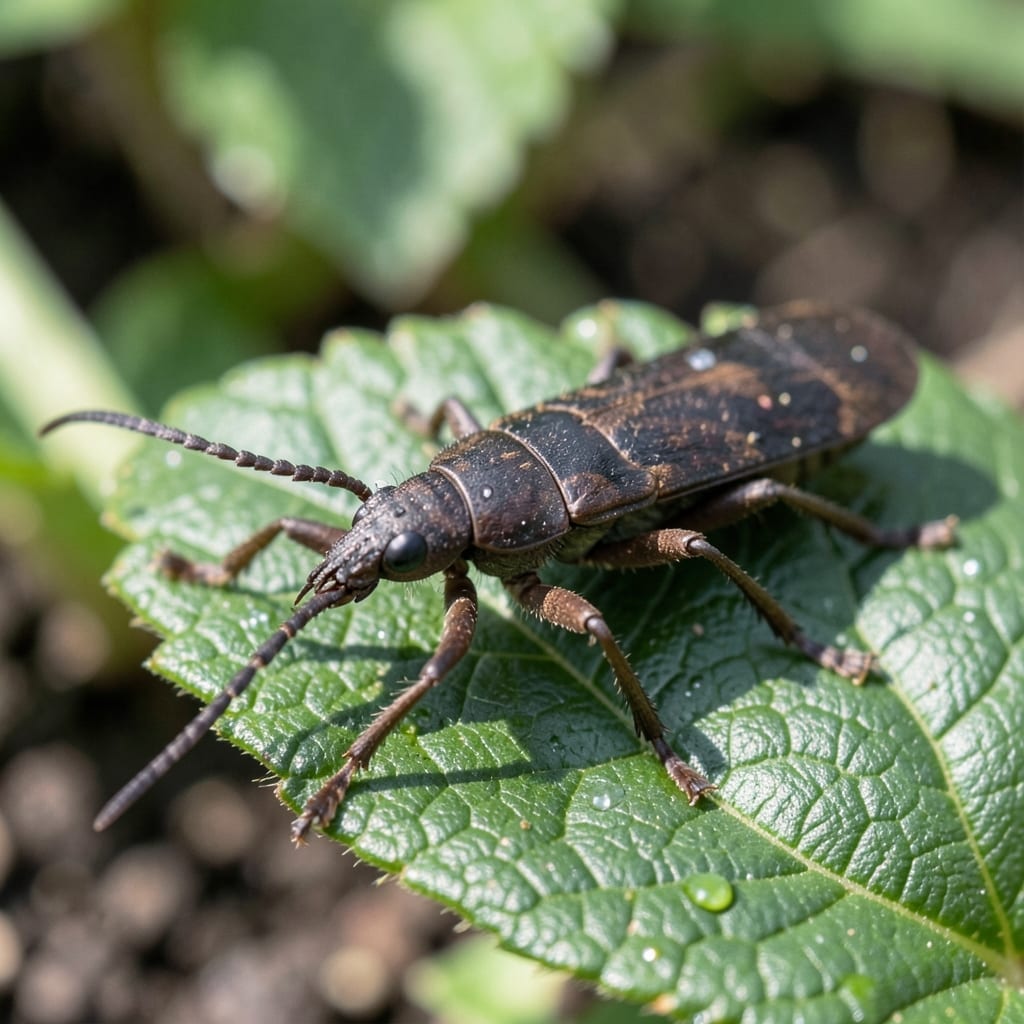
Earwigs turned my dahlias into lace overnight. These nocturnal pests chew through petals and leaves with shocking speed, but I’ve learned their patterns—and how to outsmart them without harsh chemicals.
The solution starts with removing their hiding spots. Earwigs love damp, dark places, so clearing mulch, debris, and overgrown areas near plants cuts their numbers fast. A simple trap with rolled newspaper or shallow oil pits works wonders.
For immediate action, diatomaceous earth or neem oil spray disrupts their bodies without harming beneficial insects. The key is consistency—reapply after rain and check traps daily for best results.
Within a week, you’ll see fewer chewed leaves and healthier plants. The garden regains its balance, and you avoid the guilt of toxic solutions. Here’s how to reclaim your space.
Earwigs thrive in gardens for several environmental and behavioral reasons. Understanding these causes helps target earwig control more effectively.
Earwigs are drawn to damp, dark spaces like mulch, leaf litter, and under rocks. Overwatering or poor drainage creates ideal breeding grounds, forcing them to seek shelter in garden beds or homes.
Piles of organic debris, thick mulch, or dense plantings provide hiding spots. Earwigs feed on decaying matter and small insects, so untidy gardens unintentionally invite infestations.
Tall grass, overgrown shrubs, and untrimmed vegetation trap moisture and shade, creating microhabitats. Regular pruning and spacing plants reduces these attractive conditions.
Earwigs are active at night, hunting for food (including your plants). Without natural predators or barriers, they freely roam gardens, damaging foliage and flowers.
Addressing these factors—drainage, cleanliness, and plant maintenance—deters earwigs naturally before reaching for bug killers.
Earwigs can be a nuisance in gardens, but you can control them with these practical solutions. Below are targeted fixes for common causes, along with prevention tips to keep them from returning.
Earwigs thrive in damp environments. Fix leaky hoses or irrigation systems, and ensure proper drainage in garden beds. Water plants in the morning to allow soil to dry during the day. Prevention tip: 💡 Use mulch sparingly and keep it a few inches away from plant stems to discourage moisture buildup.
Earwigs love hiding under leaves, wood piles, and thick mulch. Remove garden clutter, such as fallen leaves and rotting wood, to eliminate their shelters. Prevention tip: 🌡️ Store firewood at least 20 feet away from your home and elevate it off the ground.
Dense plantings create perfect earwig habitats. Prune overgrown shrubs and ensure proper spacing between plants to improve airflow. Prevention tip: ✨ Opt for drought-tolerant plants that require less frequent watering.
Earwigs feed on decaying plant matter, aphids, and even fruits. Keep your garden free of rotting produce and control other pests that may draw them in. Prevention tip: 🎯 Use traps like rolled-up newspapers or shallow dishes of soapy water to catch and remove earwigs.
Yes, they chew leaves and petals, causing visible damage overnight. They prefer soft plant tissue but won’t kill healthy plants outright. Regular monitoring helps prevent severe infestations.
Diatomaceous earth, neem oil, and soapy water traps are effective. These methods disrupt their bodies without harming beneficial insects. Reapply after rain for best results.
Reduce moisture, clear debris, and trim overgrown plants. Store firewood away from your home and use mulch sparingly. Consistency is key to long-term control.