
Beautiful Plants For Your Interior
Beautiful Plants For Your Interior
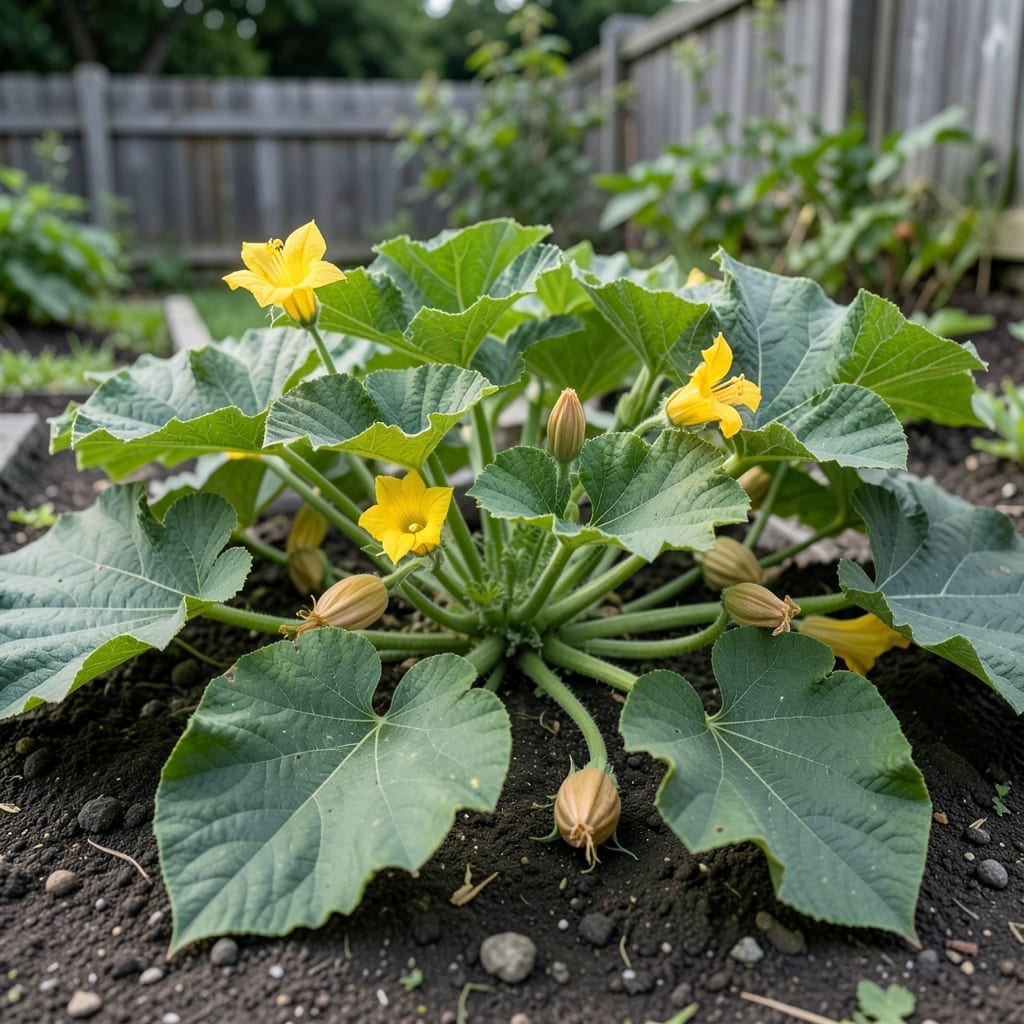
Knowing when to harvest early butternut squash can mean the difference between a lackluster crop and a bountiful, flavorful yield. Timing is everything, and visual cues are your best guide.
I’ve learned that 🎃 Butternut Squash in zone 6a thrives when planted in spring, but the real magic happens at harvest time. Waiting for the right signs ensures the best taste and storage life.
From the deep tan rind to the hardening stem, these clues tell you it’s ready. Miss them, and you might end up with underripe squash that won’t last.
Discover how to spot these key indicators and enjoy a perfect harvest every time.
I’ve found that early butternut squash gives clear signals when it’s time to pick. The first thing I look for is a deep tan color replacing the pale green of youth. This change means the sugars are developing properly inside.
The stem is another telltale sign. When it turns brown and woody, and starts to dry out, your squash is getting close. I always check this before considering harvest time.
The vines themselves offer important clues. As harvest time approaches, you’ll notice the vines nearest the fruit begin to wither and turn brown. This is nature’s way of redirecting energy.
I always perform the thumbnail test to confirm. Press your thumbnail into the rind—if it leaves no mark, the squash is ready. This test works because the rind hardens as the fruit matures.
Another method I use is the weight check. A ripe butternut will feel heavy for its size, indicating the flesh has developed fully. The skin should also feel rough and dull rather than shiny.
Don’t forget to check the underside of the squash. It should be a creamy color, not white or green. This ground-side color change is often the last to develop.
I’ve learned that early varieties often mature 10-15 days sooner than standard types. For early butternut squash, this means watching for these signs starting around 75-85 days after planting.
The sound test can be helpful too. Tap the squash—it should produce a hollow sound when ripe. This indicates the seeds inside have fully developed and the flesh is dense.
Remember that cool mornings can make the rind feel harder than it is. I always check for ripeness signs in the late morning after the dew has dried for the most accurate assessment.
These visual and tactile cues have never failed me. By combining color checks, stem examination, and rind tests, I can confidently determine the perfect harvest time for my early butternut squash every season 🌱
Picking early butternut squash too early is a common mistake that can ruin your harvest. I’ve seen gardeners lose flavor development and storage potential by acting too quickly. The rind hardness and stem dryness are non-negotiable indicators.
Another frequent error is ignoring the vine condition. If your vines are still green and healthy, the squash likely isn’t ready. I always check for die-back as a final confirmation.
⚠️ Warning: Early Harvest Risks
Picking too soon leads to underdeveloped seeds, bland taste, and poor storage life. Always verify rind toughness before harvesting.
I’ve learned that thumbnail test is crucial. If your nail leaves a mark, wait. The hollow sound when tapped is another reliable sign I never skip.
Many gardeners also overlook the color transition. A deep tan is ideal, while green or pale means it needs more time. I always compare my squash to mature examples for reference.
Finally, don’t rush because of weather forecasts. A light frost won’t hurt mature squash, but early picking will. I’ve saved many crops by being patient and watching the visual cues closely.
Remember, early butternut squash needs 75-100 days to mature. Counting from planting helps me avoid impatience. Trust the process and the signs. ✂️