
Beautiful Plants For Your Interior
Beautiful Plants For Your Interior
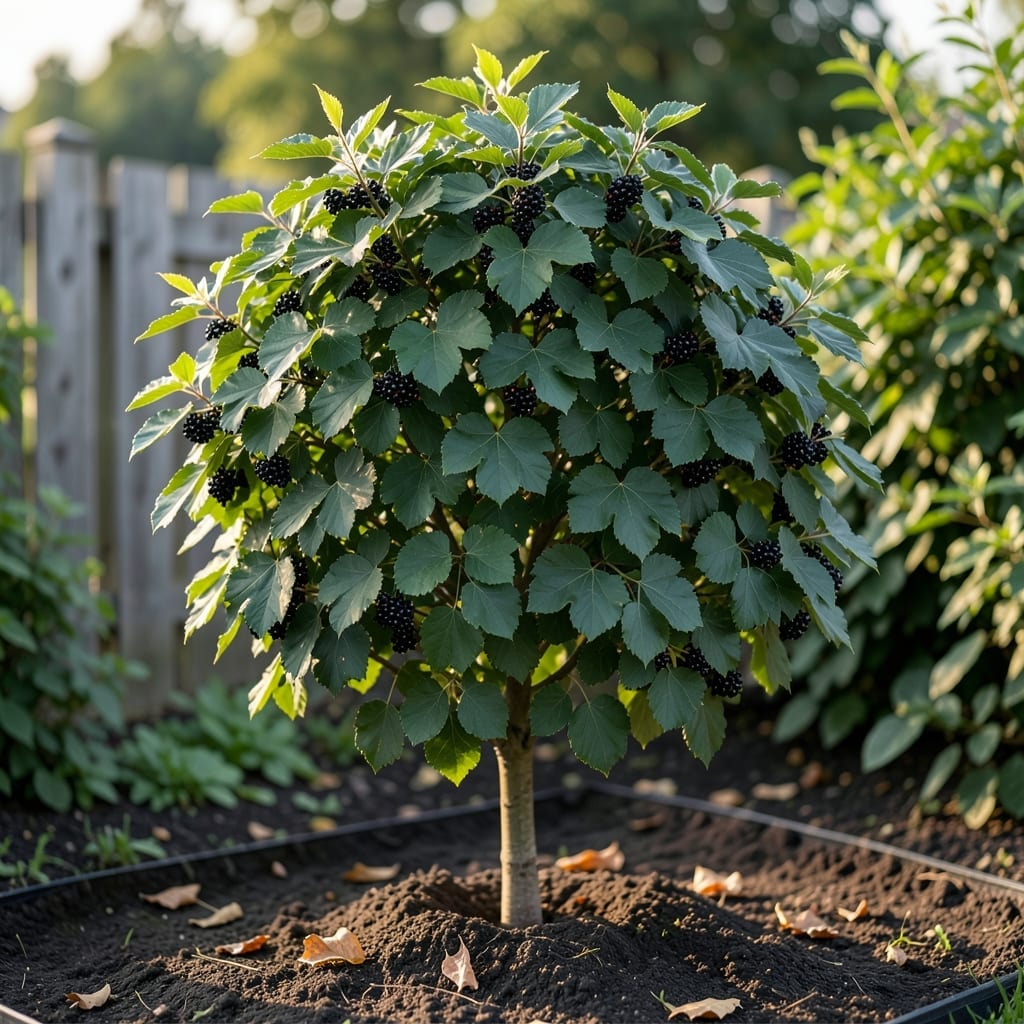
Imagine enjoying fresh, sweet mulberries without needing a sprawling orchard. The 🌳 Dwarf Mulberry Tree makes this possible, offering all the flavor in a compact size that fits perfectly in small spaces.
These trees are a game-changer for urban gardeners or anyone with limited space. Their manageable height means you can grow them in containers or tight garden corners.
Discover how this petite powerhouse can transform your outdoor space. I’ll show you exactly what to expect and how to make the most of its unique size.

If you’re curious about the dwarf mulberry tree height, you’ll be pleased to know these compact trees typically reach 6 to 10 feet at maturity. This makes them ideal for small gardens, patios, or even large containers. Their manageable size doesn’t sacrifice fruit production either.
Most dwarf varieties, like the popular ‘Dwarf Everbearing’ or ‘Issai’, stay within this range. However, their final height can vary based on growing conditions, pruning practices, and the specific cultivar you choose.
| Variety | Mature Height | Notes |
|---|---|---|
| Dwarf Everbearing | 6-8 ft | Fast grower, heavy producer |
| Issai | 6-10 ft | Compact, cold-hardy |
| Pendula | 8-12 ft | Weeping habit, ornamental |
The growth rate of dwarf mulberries is moderate to fast, with most trees adding 2-3 feet per year under ideal conditions. In the first year, expect your tree to reach about 2-3 feet, doubling in size by year two.
By year three, many dwarf mulberries will be approaching their mature height. However, with proper pruning, you can maintain them at a lower height if needed. Regular pruning not only controls size but also encourages better fruit production.
Soil quality and sunlight exposure significantly impact growth. These trees thrive in well-draining soil with full sun (6+ hours daily). In less ideal conditions, they may grow more slowly and stay smaller.
Container growing is another way to control size. When planted in pots, dwarf mulberries typically stay at the lower end of their height range. Just ensure your container is large enough (at least 20-25 gallons) to support healthy growth.
Remember that climate plays a role too. In warmer zones (7-10), these trees may grow slightly taller than in cooler areas. The ‘Issai’ cultivar, for instance, is particularly cold-hardy and may stay more compact in northern climates.
For those with very limited space, some dwarf mulberries can be kept even smaller through aggressive pruning or bonsai techniques. However, this may reduce fruit yield, so it’s a trade-off to consider based on your priorities.
No matter the specific variety or growing method, dwarf mulberries offer a space-saving solution without compromising on flavor or productivity. Their compact size makes them perfect for urban gardens, balconies, or anywhere space is at a premium.
🌳Managing your dwarf mulberry tree height is simpler than you might think. With the right techniques, you can keep these trees at an ideal size for small gardens or even container growing. I’ve found that consistent pruning is the most effective method.
Regular pruning not only controls height but also promotes healthier growth and better fruit production. The best time to prune is in late winter or early spring before new growth begins.
For container growing, select a pot that’s large enough to support the root system but not so big that it encourages excessive growth. A 20-25 gallon container is ideal for most dwarf mulberries. Ensure it has good drainage to prevent root rot.
Root restriction is another effective technique. Every 2-3 years, you can trim the roots of container-grown trees to limit their size. This should be done in early spring before new growth starts, and always follow up with fresh potting soil.
When planting in the ground, consider the mature spread as well as height. Most dwarf mulberries have a spread of 6-8 feet. Plant them at least 8-10 feet apart to allow for proper air circulation and growth.
Companion planting can also help manage space. Pair your dwarf mulberry with low-growing plants like herbs or ground covers that won’t compete for nutrients. This creates a multi-layered garden while keeping your mulberry at a manageable size. 🌿