
Beautiful Plants For Your Interior
Beautiful Plants For Your Interior
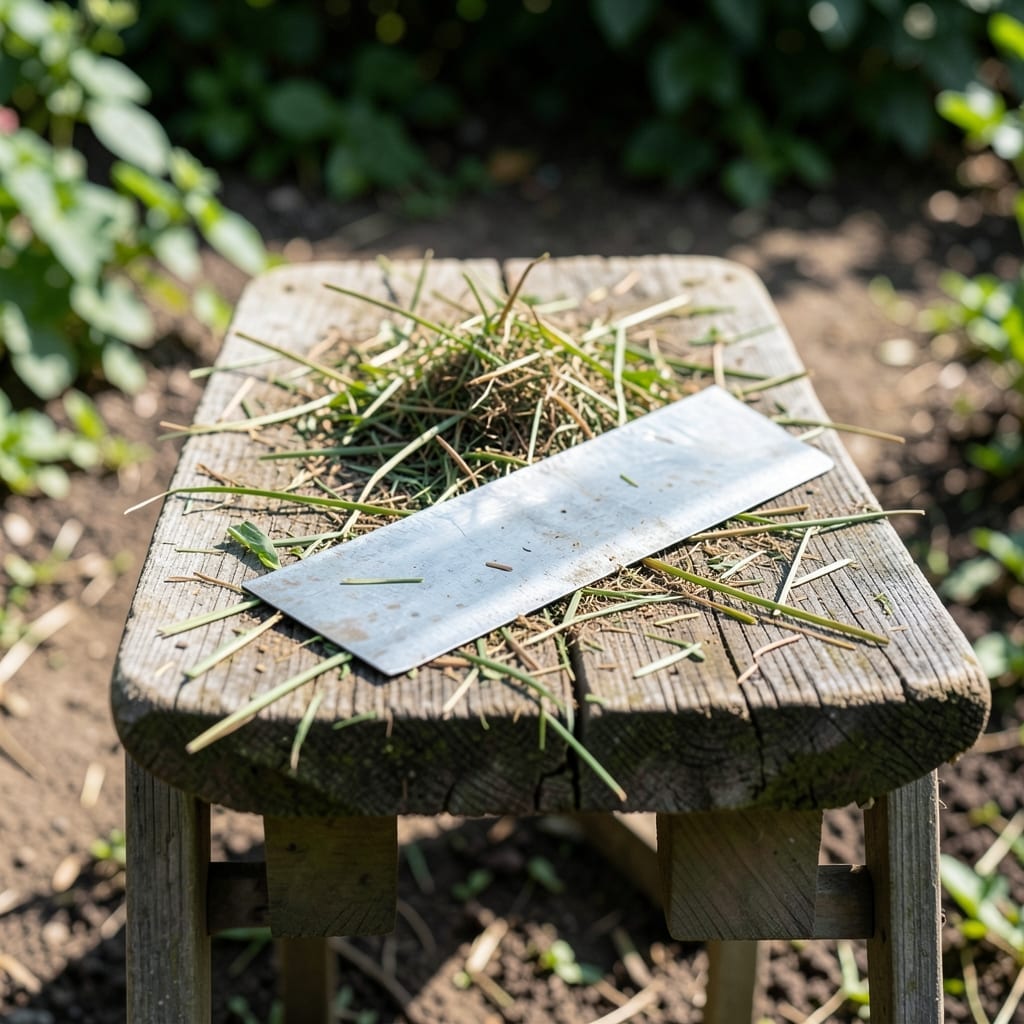
That ragged grass after mowing isn’t your lawn’s fault. A dull blade tears instead of cuts, leaving your turf stressed and brown-tipped. I’ve seen it ruin a perfect weekend of yard work more times than I’d like to admit.
Here’s the thing—this fix takes 20 minutes and basic tools. No special skills needed, just a file or grinder and some elbow grease. The difference between a torn edge and a crisp cut is that simple.
Your lawn recovers faster, looks sharper, and stays healthier when the blade’s doing its job right. Plus, you’ll save money on unnecessary repairs down the road.
Sharp blade, clean cut, happy grass. That’s the only way to mow.
A dull lawn mower blade doesn’t happen overnight—it’s the result of wear, misuse, or environmental factors. Here’s the science behind why your blade loses its edge:
Grass isn’t the only thing your mower encounters. Small rocks, sand, twigs, and even dirt act like sandpaper, grinding against the blade’s cutting edge. Over time, these particles erode the steel, rounding off the sharp bevel. The harder the material (e.g., quartz in sand), the faster the dulling.
Every rotation subjects the blade to cyclical stress. Hitting thick grass, roots, or hidden objects (like buried sticks) creates micro-fractures in the steel. These tiny cracks weaken the edge, making it more prone to chipping or bending—both of which blunt the cut.
Left exposed to rain, dew, or even humid air, the blade’s steel can oxidize (rust). Rust pits the surface, disrupting the smooth edge required for clean cuts. Even treated blades aren’t immune—moisture accelerates the chemical reaction, especially if the mower is stored without cleaning.
Friction generates heat, and prolonged mowing (especially in dry conditions) can overheat the blade. Excessive heat softens the steel, reducing its hardness and ability to hold an edge. This is common with low-quality blades or those not rated for high-speed operation.
Pro Tip: Always check for these signs after mowing—if your grass looks torn instead of sliced, one of these culprits is likely to blame!
A dull lawn mower blade turns your yard work into a struggle—and your grass into a ragged mess. Here’s how to fix it, step by step, with solutions tailored to the most common issues.
If your blade has dings, nicks, or bends, it won’t cut cleanly. Fix it: Remove the blade (unplug the spark plug first for safety!), then use a metal file or bench grinder to smooth out imperfections. For severe damage, replace the blade entirely. Prevent it: Clear debris like rocks and sticks before mowing to avoid impacts.
Even without damage, blades dull over time. Fix it: Sharpen the blade 2–3 times per season using a sharpening kit or angle grinder. Maintain a 30–45° angle for the best edge. Prevent it: Clean the underside of the deck after each use to reduce corrosion and wear.
An unbalanced blade causes uneven cuts and vibration. Fix it: Hang the blade on a nail or use a blade balancer to check for level. File or grind the heavier side until it balances. Prevent it: Sharpen both ends equally to keep weight distributed.
💡 Pro tip: Always wear gloves and eye protection when handling blades. And remember: a sharp blade means a healthier lawn and less effort for you!
Inspect it every 10 hours of use or at the start of each mowing season. More frequent checks are needed if you mow sandy or rocky areas.
It tears grass instead of cutting, causing brown tips and stressing your lawn. You’ll also strain the mower engine and get uneven results.
Not safely. Always disconnect the spark plug and remove the blade before sharpening to prevent accidents. A file or grinder works best when the blade is stable.
Replace it if the blade is bent, cracked, or worn down to less than 1/8 inch thickness. Excessive nicks or imbalance are also signs.