
Beautiful Plants For Your Interior
Beautiful Plants For Your Interior
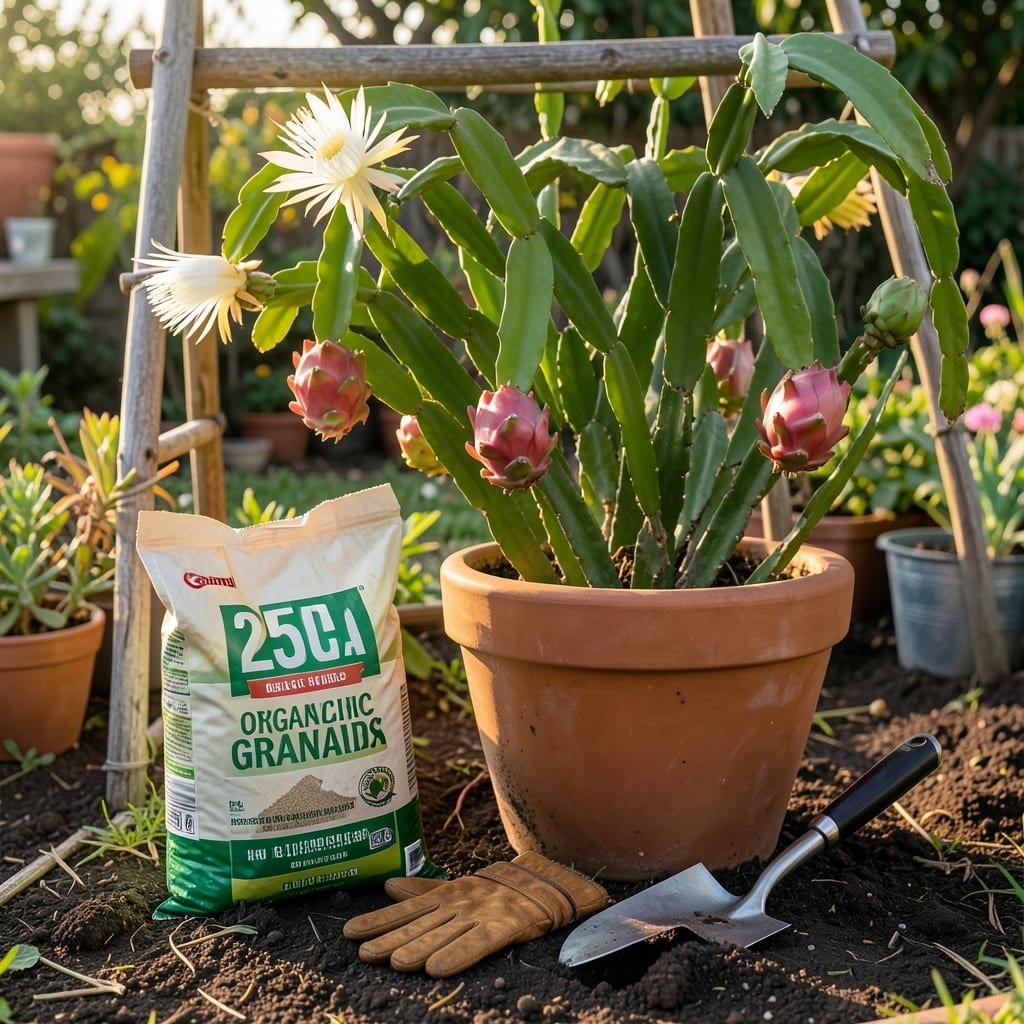
Growing Dragon Fruit 🐉 with vibrant color and sweet flavor starts with the right nutrition. Many gardeners struggle to get that perfect, juicy harvest they dream of.
What you feed your plants makes all the difference between lackluster and luscious fruit. I’ve seen firsthand how the proper approach can transform growth.
Discover how organic nutrients can boost your plant’s health and productivity. The right balance at the right time is the key to success.
Let me walk you through everything you need to know to get bigger, sweeter yields from your Dragon Fruit this season.
When I first started growing dragon fruit, I quickly learned that the right organic fertilizer makes all the difference. These tropical cacti thrive on nutrient-rich inputs that mimic their natural habitat. Organic options feed the soil as much as the plant, creating a sustainable growing environment.
I’ve tested various organic amendments and found that balanced nutrition is key. Dragon fruit needs nitrogen for vine growth, phosphorus for flowering, and potassium for fruit development. The best organic fertilizers deliver these in a slow-release form.
| Fertilizer Type | Key Nutrients | Best For | Application |
|---|---|---|---|
| Compost | Balanced N-P-K | Soil health | Mix into soil at planting |
| Worm Castings | Rich in nitrogen | Early growth | Top dress monthly |
| Fish Emulsion | High nitrogen | Vine development | Dilute, foliar spray |
| Seaweed Extract | Potassium rich | Fruiting stage | Weekly foliar feed |
I always start with compost as my base fertilizer. It improves soil structure while providing a wide spectrum of nutrients. For established plants, I supplement with worm castings every month during the growing season. This combination gives my dragon fruit the slow-release nutrients they love.
Fish emulsion is my go-to for a quick nitrogen boost when vines need a growth spurt. I use it diluted at half strength to avoid burning the plants. The smell fades quickly, and the results are worth it for lush green growth.
When flowering begins, I switch to seaweed extract. Its high potassium content supports fruit development and improves plant resistance to stress. I apply it as a foliar spray for quick absorption, especially during hot weather.
I’ve found that banana peels make an excellent potassium supplement. I dry and crush them, then work the powder into the soil around the base. This is particularly effective during the fruiting stage when plants need extra potassium.
Remember that organic fertilizers work best when combined with proper watering practices. I always water deeply after applying any fertilizer to help distribute the nutrients and prevent root burn. Dragon fruit prefers well-draining soil, so I’m careful not to let fertilizers create waterlogged conditions.
One of my favorite organic amendments is bone meal. It’s rich in phosphorus, which is essential for flower production and strong root development. I mix it into the soil at planting time and again in early spring.
For a complete organic program, I rotate between these fertilizers throughout the growing season. This ensures my dragon fruit plants receive a balanced diet without the risk of nutrient buildup that can occur with synthetic fertilizers. The result is healthier plants and more abundant, sweeter fruit. 🌱
Timing your dragon fruit fertilizer applications is just as important as choosing the right type. I’ve found that following a seasonal schedule ensures your plants get the nutrients they need when they need them most.
During spring, start with a light feeding as new growth appears. This gentle approach helps establish strong roots before the main growing season kicks in.
In summer, switch to a more robust feeding schedule. I recommend applying a balanced fertilizer every 4 weeks to support the plant’s rapid growth and flower production.
As fall approaches, reduce your feeding frequency. A light application in early fall helps the plant transition into its dormant period while still supporting any late fruit development.
Remember that early morning is the best time to fertilize. This gives your plants the entire day to absorb nutrients before temperatures rise. Always water your plants before and after applying fertilizer to prevent root burn.
Finally, listen to your plants. If you notice yellowing leaves or stunted growth, it might be time to adjust your schedule or nutrient mix. The right timing can make all the difference in your harvest.
🌱