
Beautiful Plants For Your Interior
Beautiful Plants For Your Interior
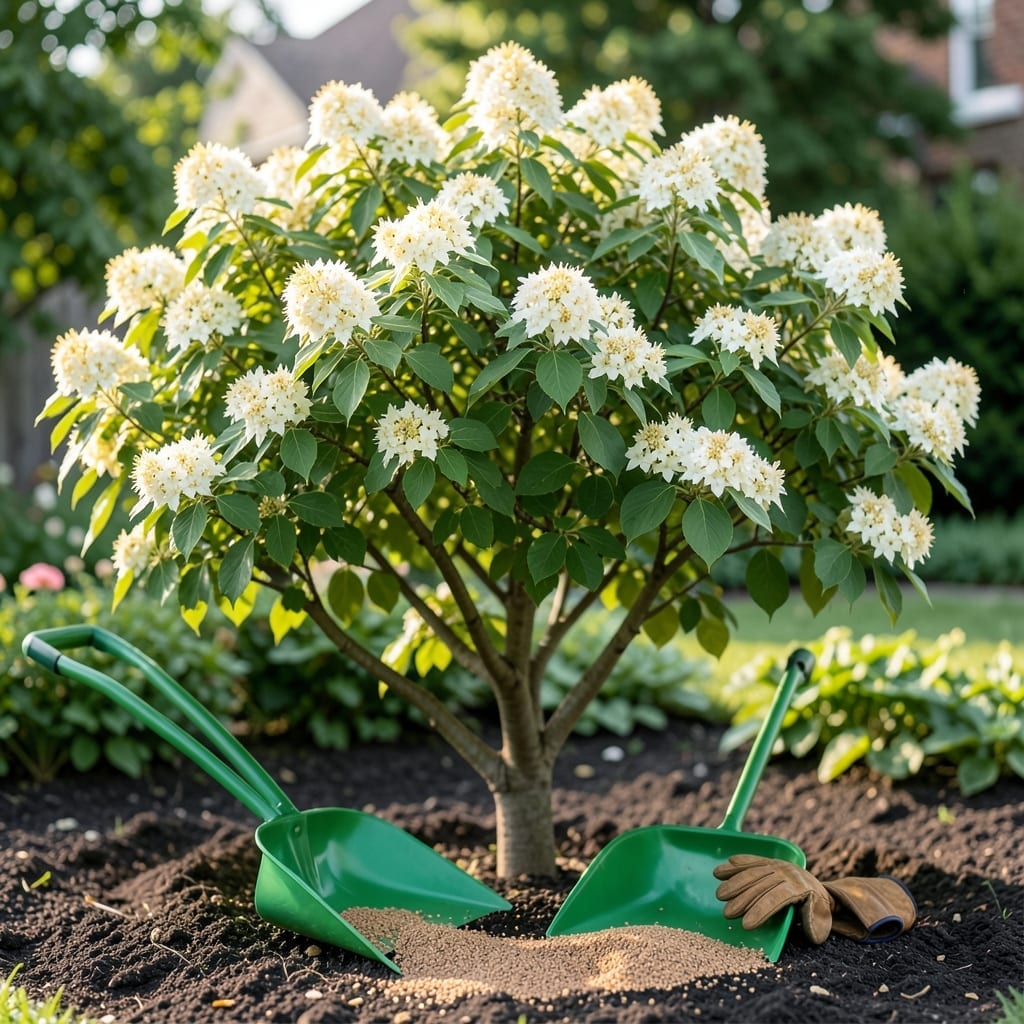
Dogwood trees light up spring with their stunning blooms, but without the right nutrition, their beauty can fade fast. The 🌳 Dogwood Tree deserves more than just water to thrive in zones 5-9.
I’ve seen too many gardeners struggle with lackluster flowers or stunted growth, not realizing their soil might be missing key elements. The difference the right food makes is truly remarkable.
Whether you’re planting in March or September, understanding your tree’s nutritional needs is the key to vibrant, long-lasting color. It’s simpler than you might think to get it right.
Discover how to transform your Dogwood Tree from ordinary to extraordinary with the perfect feeding strategy. Let’s give your tree the best possible start.
Choosing the right dogwood tree food can transform your tree’s health and bloom quality. I’ve found that balanced fertilizers work best for these acid-loving plants, but the type matters just as much as the timing. Slow-release granules are my top pick for steady nutrition.
For organic gardeners, options like compost or worm castings provide gentle, long-term benefits. But if you need quick results, liquid fertilizers deliver nutrients fast. The key is matching the NPK ratio to your tree’s growth stage.
| Type | Best For | NPK Ratio | Application |
|---|---|---|---|
| Slow-Release Granules | Steady growth | 10-10-10 | Spring, early summer |
| Liquid Fertilizer | Quick bloom boost | 12-4-8 | Every 4-6 weeks |
| Organic Compost | Soil health | Varies | Annual top-dressing |
| Acidifying Fertilizer | pH correction | 30-10-10 | Early spring |
I always recommend testing your soil pH before fertilizing. Dogwoods thrive in acidic soil (pH 5.5–6.5). If your soil is alkaline, sulfur-based amendments or acid-loving plant food can help correct it.
For newly planted dogwoods, avoid heavy feeding in the first year. Instead, focus on root establishment with a phosphorus-rich starter fertilizer. This encourages strong root systems before pushing top growth.
Mature dogwoods benefit from a spring feeding just as buds swell. I use a balanced 10-10-10 formula, applying it 2–3 feet from the trunk to reach the feeder roots. Never fertilize in late fall, as it can stimulate tender growth before winter.
If you notice yellowing leaves or stunted growth, your tree might be nutrient-deficient. A foliar spray of chelated iron can quickly address iron chlorosis, common in dogwoods. Always follow label rates to avoid burning the foliage.
For organic options, I love mixing bone meal (for phosphorus) with kelp meal (for micronutrients). This combo supports both bloom production and overall vigor without synthetic chemicals.
Remember, over-fertilizing can harm your dogwood more than under-feeding. Signs like leaf scorch or excessive salt buildup in the soil mean it’s time to scale back. When in doubt, less is more with these sensitive trees. 🌳
Finally, always water deeply after applying fertilizer to help nutrients reach the roots. A 2–3 inch mulch layer of pine bark or wood chips will conserve moisture and gradually improve soil structure as it breaks down.
Timing is everything when feeding dogwood trees. I always start in early spring, just as new growth appears, to give them a nutrient boost for the blooming season. A second application in late spring helps sustain their vibrant flowers.
For application methods, I prefer granular fertilizers spread around the drip line. It’s simple and effective. Liquid feeds work well for quick nutrient uptake, especially for young trees needing a fast pick-me-up.
✓ Fertilizing Dogwood Trees
Early Spring: Apply balanced fertilizer (10-10-10) at base
Post-Bloom: Light feed to support recovery
Fall: Skip to avoid late growth before winter
Watch for signs of over-fertilization, like yellowing leaves or stunted growth. If I notice this, I cut back on feeding and water deeply to flush excess nutrients from the soil.
For young dogwoods, I use half the recommended dosage to prevent burning their delicate roots. As they mature, I gradually increase the amount, always following the package instructions carefully.
I also consider soil pH when fertilizing. Dogwoods thrive in slightly acidic soil (pH 5.5-6.5). If my soil is too alkaline, I amend it with sulfur or peat moss before applying fertilizer.
Finally, I