
Beautiful Plants For Your Interior
Beautiful Plants For Your Interior
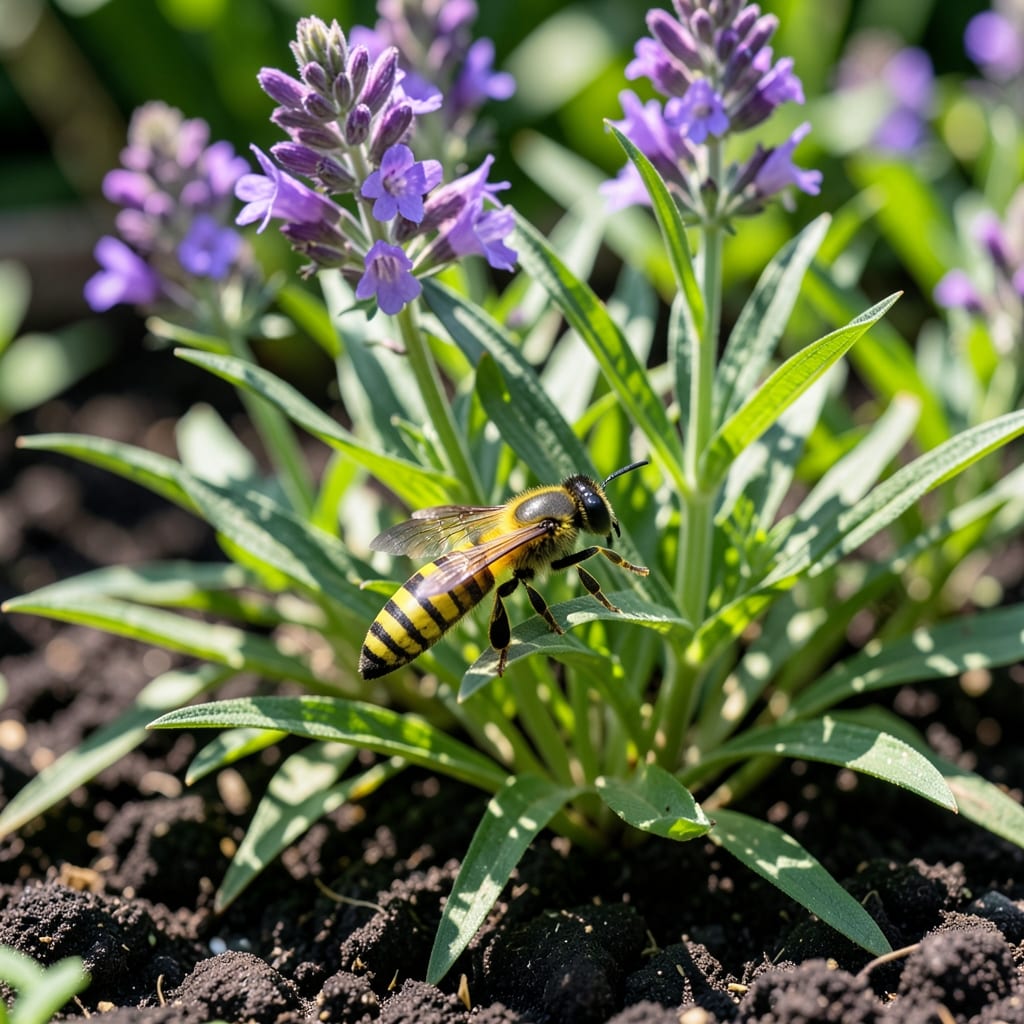
Yellow jackets are not primary pollinators but may incidentally transfer pollen while foraging for nectar or insects. Their role is minor compared to bees and other pollinating insects.
I’ve noticed these insects focus more on hunting protein than gathering nectar, which limits their pollination impact. 🔥 Unlike bees with specialized hairy bodies for carrying pollen, yellow jackets lack the adaptations to do this efficiently. Their occasional pollen transfer happens by accident as they move between flowers and other food sources.
💡 In This Article
Yellow jackets visit flowers primarily to harvest nectar as a carbohydrate source, not pollen. Unlike bees, they lack pollen baskets or dense body hairs to intentionally collect and transport pollen grains. Their smooth exoskeletons carry minimal pollen, and what little they pick up often falls off before reaching another bloom.
Research shows yellow jackets spend 80-90% of their foraging time hunting protein sources like insects or scavenging human food. This protein-focused behavior means they visit far fewer flowers than bees, which can make 5,000+ floral visits daily per individual. Their incidental pollination rate is estimated at less than 5% of bee efficiency.
When they do land on flowers, their aggressive feeding style often damages petals and reproductive structures. Studies document yellow jackets chewing through corollas to access nectar directly, sometimes bypassing the pollen-bearing anthers entirely. This destructive approach further reduces any potential pollination benefits.
Their short, 1-2 second visits to flowers contrast sharply with bees’ methodical 10-30 second polling behavior. Bees perform “vibrating” or “buzz pollination” on certain plants, while yellow jackets lack both the physical adaptations and behavioral patterns to achieve similar results. 🔥
Their mouthparts are designed for chewing and slicing rather than the long, straw-like proboscises of bees that can access deep nectaries. This anatomical difference means yellow jackets often target shallow, open flowers where they can easily reach nectar without engaging with pollen-producing structures. ✨
They lack pollen-carrying adaptations like bees’ hairy bodies or pollen baskets. Their smooth exoskeletons carry minimal pollen, and they spend 80-90% of foraging time hunting protein instead of visiting flowers.
Bees make 5,000+ floral visits daily while yellow jackets’ incidental pollination is less than 5% as effective. Bees also have specialized behaviors and anatomy for pollen transfer that yellow jackets lack.
They prefer shallow, open blooms where they can easily access nectar. Their short 1-2 second visits often damage petals, and they may bypass pollen entirely by chewing through corollas.
Their contribution is negligible compared to bees and butterflies. For effective pollination, focus on attracting dedicated pollinators with native plants and water sources instead.