
Beautiful Plants For Your Interior
Beautiful Plants For Your Interior
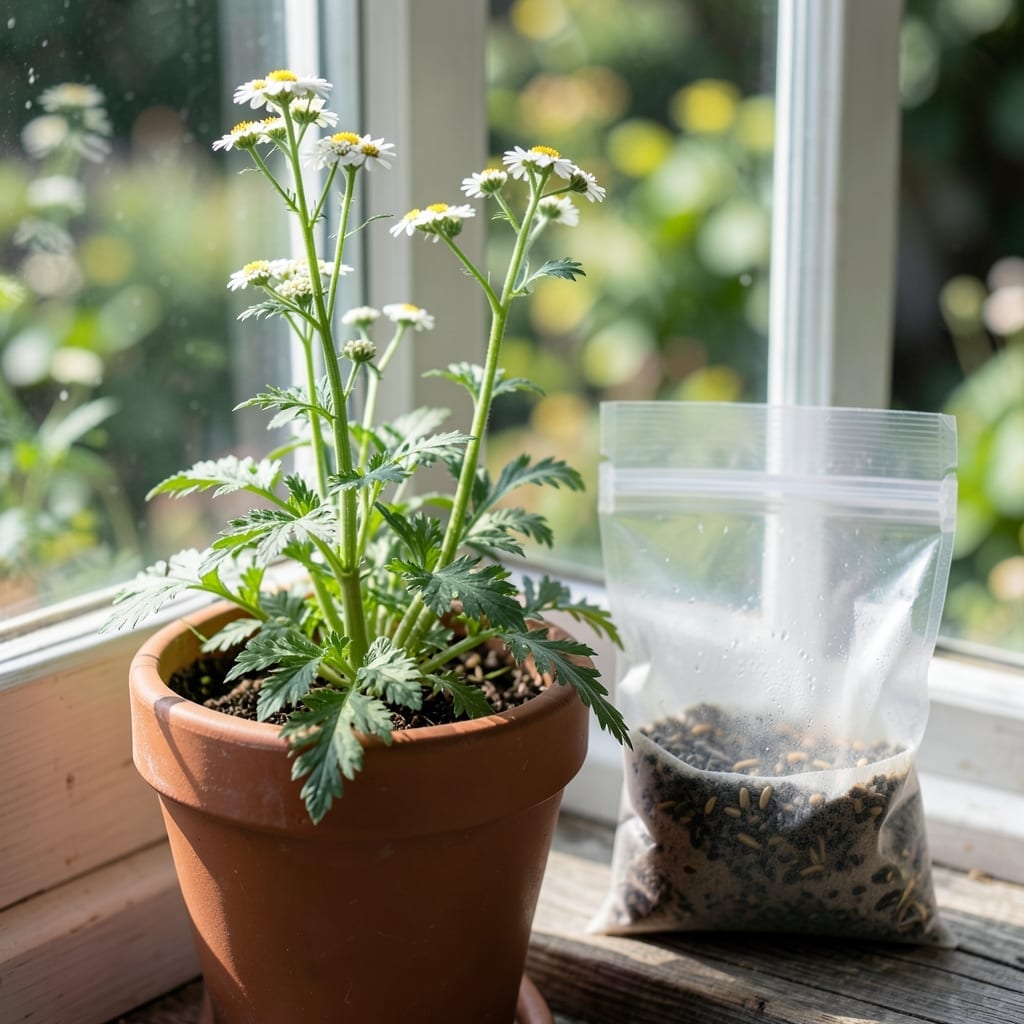
If you’ve ever struggled to grow 🌼 Yarrow from seed, you’re not alone. This hardy perennial can be surprisingly stubborn when it comes to germination.
That’s because yarrow seeds often need a little nudge to break their natural dormancy. Without it, you might wait forever for those first sprouts to appear.
Let me show you exactly what works—and what doesn’t—so you can enjoy a garden full of these beautiful, drought-tolerant flowers.
If you’ve ever wondered does yarrow need cold stratification, the answer is a firm yes for most varieties. This process mimics the natural winter conditions that break the seed’s dormancy, allowing it to sprout when temperatures warm up.
Yarrow (Achillea millefolium) has evolved with a clever survival mechanism. Its seeds remain dormant until they’ve experienced a period of cold, moist conditions, just like they would in their native habitats.
🌱 Why Cold Stratification Matters
Yarrow seeds contain germination inhibitors that break down only after 4-6 weeks of cold, moist conditions at 35-40°F.
In the wild, yarrow seeds drop to the ground in fall and lie dormant through winter. The cold temperatures and moisture gradually soften the seed coat and leach out germination inhibitors, preparing them to sprout in spring.
Without this cold period, the seeds may remain stubbornly dormant, even in ideal growing conditions. I’ve seen gardeners wait months for yarrow to germinate, only to realize they skipped this crucial step.
This dormancy mechanism is particularly strong in wild yarrow types. Cultivated varieties may show slightly better germination without stratification, but you’ll still get far better results with the cold treatment.
The science behind this is fascinating. Cold stratification triggers enzymatic changes in the seed that activate growth hormones. It’s nature’s way of ensuring seeds don’t sprout at the wrong time of year.
For gardeners in USDA zones 3-7, you can often let nature handle the stratification by sowing seeds in fall. The winter cold will do the work for you, and you’ll see sprouts in early spring.
In warmer climates (zones 8-9), you’ll need to artificially stratify the seeds. I recommend the refrigerator method: place seeds in a damp paper towel inside a sealed bag and refrigerate for 4-6 weeks.
Remember that even with stratification, yarrow seeds can be slow to germinate. Don’t give up if you don’t see sprouts immediately – some seeds may take 2-3 weeks to show signs of life after the stratification period.
The reward is worth the wait. Once established, yarrow is incredibly low-maintenance, thriving in poor soil and drought conditions while attracting beneficial pollinators to your garden 🌼
If you’re ready to give your yarrow seeds the best start, cold stratification is the way to go. This simple process breaks dormancy and boosts germination rates significantly.
I’ve tested several methods, and the refrigerator approach works best for most home gardeners. It gives you control over the conditions, ensuring consistent results every time.
For a more hands-off approach, outdoor sowing in fall works well in cooler climates. Simply plant your seeds and let winter nature handle the stratification process.
If you’re in a warmer climate, the damp paper towel method is your best bet. Place seeds between damp paper towels in a plastic bag, then refrigerate. This keeps the environment consistently moist.
Remember that temperature consistency is key. Fluctuations can disrupt the stratification process, so avoid opening the refrigerator frequently during this period.
After stratification, plant your seeds in well-draining soil and keep them moist. You should see germination within 10-20 days, though some seeds may take longer.
This method works for all yarrow varieties, from common white yarrow to colorful cultivars like ‘Paprika’ or ‘Cerise Queen’ 🌼