
Beautiful Plants For Your Interior
Beautiful Plants For Your Interior
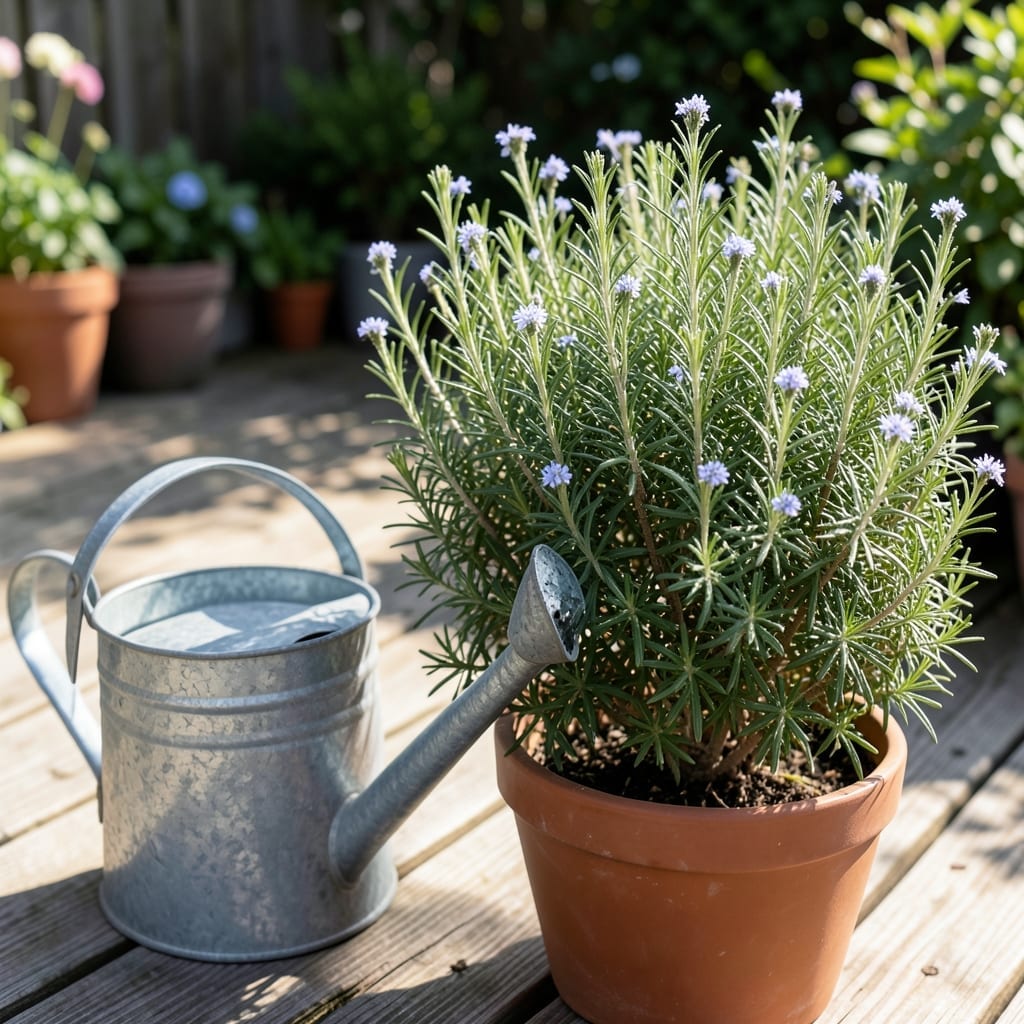
You’ve probably heard that 🌿 Rosemary is the ultimate low-maintenance herb, thriving on neglect. But does that mean it can survive on barely any water at all?
The truth is, while this hardy plant is indeed drought-tolerant, it still needs some moisture to truly flourish. Getting the balance right is the key to keeping your Rosemary healthy and vibrant.
I’ve seen too many gardeners either drown their plants or leave them parched, not realizing how simple it is to find that sweet spot. The good news? It’s easier than you think to master.
Let me walk you through exactly what your Rosemary needs, so you can enjoy its fragrant, flavorful sprigs without the guesswork.
If you’re new to growing rosemary, you might be surprised to learn this Mediterranean native thrives on neglect. As a drought-tolerant herb, it prefers dry conditions over soggy soil. I’ve seen many gardeners overwater theirs, only to watch it struggle.
Established rosemary plants need water only every 2-3 weeks, while potted ones may require it every 10-14 days. The key is well-draining soil to prevent root rot, its biggest enemy. Deep watering encourages strong roots, but always let the soil dry out between sessions.
In hot climates, you might water slightly more often, but rosemary hates wet feet. Stick your finger 2 inches into the soil—if it’s dry, it’s time to water. This simple test prevents overwatering, which causes yellowing leaves and root rot.
For potted rosemary, ensure your container has drainage holes. Without them, excess water pools at the bottom, suffocating the roots. I always use terracotta pots because they wick away moisture, keeping the soil just right.
Seasonal adjustments matter too. In spring and summer, water every 2 weeks if rainfall is scarce. In fall and winter, cut back to monthly watering or even less. Rosemary’s water needs drop when growth slows in cooler months.
If you’re growing rosemary in poorly draining soil, amend it with sand or perlite to improve drainage. This mimics its natural Mediterranean habitat, where it thrives in rocky, dry soil. I’ve found this small change makes a huge difference.
Watch for wilting leaves—this can signal underwatering, but don’t jump to water immediately. Check the soil first. Sometimes, wilting in heat is normal, and the plant will perk up in the evening.
Newly planted rosemary needs more attention. Water it weekly for the first month to help roots establish. After that, taper off to the standard schedule. This gives it a strong start without encouraging dependency on frequent watering.
Remember, less is more with rosemary. It’s far better to underwater than overwater. If you’re unsure, err on the side of caution and wait an extra day or two. Your rosemary will thank you with lush, fragrant growth. 🌿
If you’re wondering does rosemary need a lot of water, the short answer is no. This Mediterranean native thrives in dry conditions and often suffers from too much water rather than too little. Watch for these warning signs.
Overwatering is the number one killer of rosemary plants. As a drought-tolerant herb, it prefers soil that’s on the drier side, making it crucial to recognize when you’re giving it too much moisture. 🌿
When I see yellow leaves, I immediately check the soil. If it’s soggy, I know I’ve been too generous with water. Rosemary roots need oxygen as much as they need moisture.
The mushy stem test is my go-to diagnostic. Healthy rosemary stems should be firm and woody. If they feel soft, it’s a clear sign of root rot from excess water.
That distinctive rosemary scent should always be present. If your plant smells rotten or musty, it’s crying out for less water and better drainage. Consider repotting in sandy, well-draining soil.
Remember, with rosemary, less is more when it comes to watering. I’ve found that waiting until the top inch of soil is dry before watering again keeps my plants happiest and healthiest. ☀️